





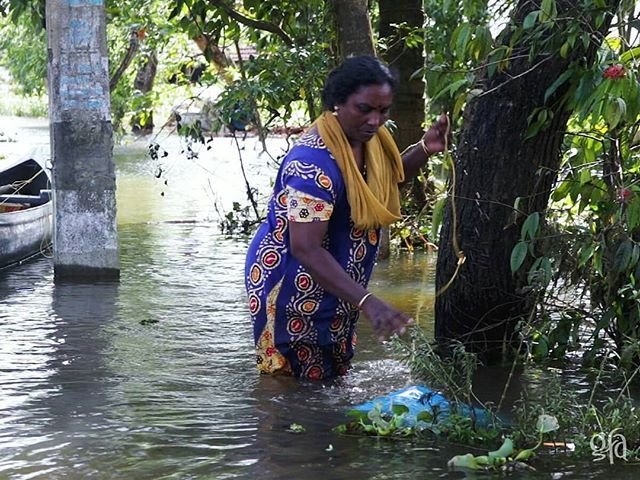
A leptospirosis alert in Northeast India has been issued by health authorities after torrential monsoon rains led to widespread flooding across states like Assam, Meghalaya, Tripura, and Manipur. Public health experts are warning residents of this serious bacterial infection, which spreads quickly in flood-affected zones and can become fatal if left untreated.
As hospitals begin to record new suspected cases, the spotlight turns to a disease many still underestimate. While diseases like dengue and cholera often dominate the conversation, leptospirosis is becoming a hidden post-flood killer in the region.
What Is Leptospirosis?
Leptospirosis is a bacterial disease caused by Leptospira bacteria, which commonly live in the urine of infected animals, including rats, dogs, and livestock. During floods, these bacteria contaminate standing water and soil, posing a high risk to humans who wade through or consume this water.
“After major floods, we always expect a spike in leptospirosis cases,” says Dr. Sangeeta Roy, a senior physician at Silchar Medical College. “People walk barefoot through contaminated water, unaware they’re at serious risk.”
Symptoms include:
- High fever and chills
- Headache and muscle pain
- Red or bloodshot eyes
- Jaundice (yellowing of the skin)
- Vomiting and diarrhea
Severe infections may lead to kidney or liver failure, respiratory distress, or even death.
Why Is Northeast India at Higher Risk?
Climate, Flooding, and Poor Sanitation
The leptospirosis alert in Northeast India is not surprising. The region, especially Assam, Barak Valley, and parts of Tripura, faces annual monsoon flooding. Many affected areas lack proper sewage, and livestock roam freely, increasing contamination.
“Open defecation, rotting animal waste, and stagnant water form the perfect storm for this disease,” said Dr. Bhaskar Neog from Assam’s Directorate of Health Services.
Relief camps and temporary shelters also contribute to the spread, where poor sanitation and overcrowding allow infections to thrive.
Government Response to Leptospirosis Alert
The Assam State Health Department has ramped up its flood response with emergency medical camps in Dhemaji, Barpeta, and Silchar. They are distributing antibiotics like doxycycline, protective gear, and hygiene kits.
Meanwhile, the National Centre for Disease Control (NCDC) has advised state hospitals to begin early screening for leptospirosis in fever cases and monitor rural clinics.
A detailed report in the Assam Tribune highlighted how doctors are being trained to differentiate between dengue and leptospirosis — two diseases with overlapping symptoms.
How to Protect Yourself
Leptospirosis Prevention for Residents
If you live in a flood-affected area, you must take immediate precautions to reduce your risk of infection.
- Avoid floodwater contact whenever possible.
- Wear boots and gloves when stepping outside.
- Disinfect open wounds and keep them covered.
- Boil drinking water and avoid eating raw food.
- Clean and disinfect surfaces in your home.
Know When to Seek Help
If you or anyone you know experiences high fever, muscle pain, or red eyes after flood exposure, visit a clinic immediately. Leptospirosis can be treated effectively in its early stages, often with a short course of antibiotics.
For rural residents, local ASHA workers and primary health centres are being mobilized to provide care and guide patients.
Public Awareness: The Missing Link
A key problem in containing leptospirosis is lack of awareness. In a region already dealing with post-flood trauma and displacement, symptoms of this bacterial illness are often ignored or mistaken for viral flu.
Public health campaigns are urging communities to stay alert, especially in border villages, relief camps, and low-lying rural areas. NGOs are also stepping in to distribute hygiene supplies and organize workshops.
Heed the Leptospirosis Alert
The leptospirosis alert in Northeast India is not just a medical warning—it’s a call for urgent public action. With climate change increasing flood intensity, infectious diseases like this will only grow more common.
Don’t wait for symptoms to worsen. Take preventive steps now, share this information with neighbors, and seek treatment early. Remember, leptospirosis is preventable, treatable, and fatal only when ignored.
READ MORE: Minor Assault Case in Changlang: Three Suspects Arrested