







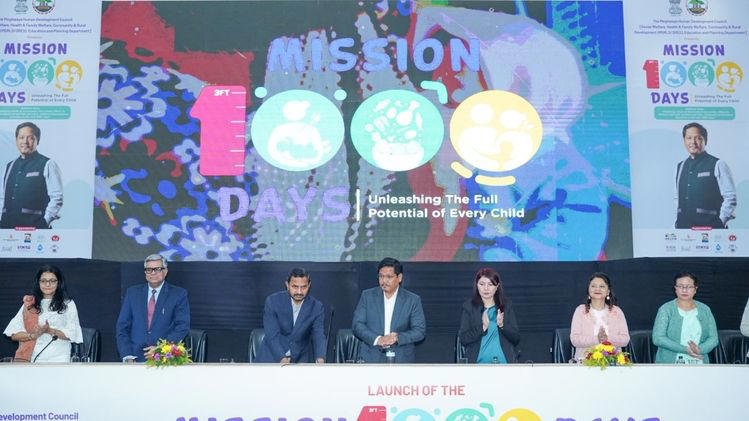
Meghalaya Chief Minister Conrad Sangma has launched the Mission 1000 Days Meghalaya initiative to tackle malnutrition and strengthen maternal and child health across the state. The program focuses on the critical first 1,000 days of a child’s life, from conception to early childhood.
The Mission 1000 Days Meghalaya initiative aims to address long-standing nutritional challenges. It also seeks to improve healthcare outcomes for mothers and children, especially in rural and underserved areas.
During the launch, the Chief Minister emphasized that early nutrition plays a vital role in a child’s physical and cognitive development. Therefore, the government plans to implement targeted interventions to ensure better health outcomes.
Read More: Himanta expands Orunodoi scheme for women from large families
Focus on the first 1,000 days of life
The Mission 1000 Days Meghalaya program centers on the crucial period from pregnancy to a child’s second birthday. Experts consider this phase essential for growth and development. Therefore, proper nutrition and healthcare during this time can prevent long-term health issues.
Under the initiative, the government will provide nutritional support to pregnant women and young children. In addition, healthcare workers will monitor their health regularly.
The program also promotes awareness about balanced diets and proper childcare practices. As a result, families can make informed decisions that support healthy development.
Moreover, the initiative encourages early interventions. This approach helps reduce the risk of malnutrition and related complications.
Tackling malnutrition through targeted interventions
The Mission 1000 Days Meghalaya initiative includes several measures to address malnutrition. Authorities will distribute nutritional supplements to pregnant women and children.
In addition, health workers will conduct regular check-ups to track growth and development. They will identify cases of malnutrition and provide timely support.
The program also focuses on improving access to nutritious food. Therefore, it aims to strengthen existing schemes and introduce new measures where necessary.
Furthermore, the government plans to collaborate with local communities. This will help ensure that interventions reach those who need them most.
Strengthening maternal healthcare services
Maternal health is a key component of the Mission 1000 Days Meghalaya initiative. The government aims to improve healthcare services for pregnant and lactating women.
Healthcare facilities will receive additional support to provide better care. In addition, trained professionals will assist women during pregnancy and childbirth.
The initiative also emphasizes regular health check-ups. These help detect potential complications early and ensure timely treatment.
Moreover, awareness campaigns will educate women about the importance of nutrition and healthcare. This will empower them to take proactive steps for their well-being.
Improving child health and development
The Mission 1000 Days Meghalaya program also focuses on child health. Authorities aim to ensure that children receive adequate nutrition and healthcare during their early years.
Healthcare workers will monitor children’s growth and provide guidance to parents. They will also promote practices such as breastfeeding and immunization.
In addition, the program supports early childhood development. This includes cognitive and physical growth, which are essential for long-term success.
Moreover, improved nutrition will help reduce the risk of diseases. As a result, children will have better chances of leading healthy lives.
Community involvement and awareness campaigns
Community participation plays a crucial role in the success of the Mission 1000 Days Meghalaya initiative. The government plans to involve local leaders, organizations, and volunteers in the program.
Awareness campaigns will educate families about nutrition, hygiene, and healthcare practices. Therefore, communities can actively contribute to improving health outcomes.
In addition, frontline workers such as ASHA and Anganwadi staff will play a key role. They will provide guidance and support to families at the grassroots level.
Furthermore, collaboration with non-governmental organizations will strengthen implementation. This approach ensures wider reach and effectiveness.
Government’s commitment to long-term health goals
The launch of Mission 1000 Days Meghalaya reflects the government’s commitment to improving public health. By focusing on early nutrition, the initiative aims to create lasting impact.
Chief Minister Conrad Sangma stated that the program aligns with broader goals of sustainable development. It seeks to reduce malnutrition and improve quality of life.
Moreover, the government plans to monitor progress closely. Regular evaluations will help identify areas for improvement and ensure effective implementation.
The initiative also complements existing healthcare programs. Together, these efforts aim to build a stronger healthcare system in Meghalaya.
Conclusion
The Mission 1000 Days Meghalaya initiative marks a significant step in addressing malnutrition and improving maternal and child health. By focusing on the critical early years, the program aims to create a healthier future for the state.
Through targeted interventions, community involvement, and improved healthcare services, the initiative seeks to bring meaningful change. However, its success will depend on effective implementation and active participation.
In conclusion, the launch of Mission 1000 Days Meghalaya highlights the importance of early nutrition and healthcare. With sustained efforts, the program has the potential to transform lives and ensure better health outcomes for generations to come.
Read More: Assam Assembly Election 2026 live: PM Modi to address rallies