






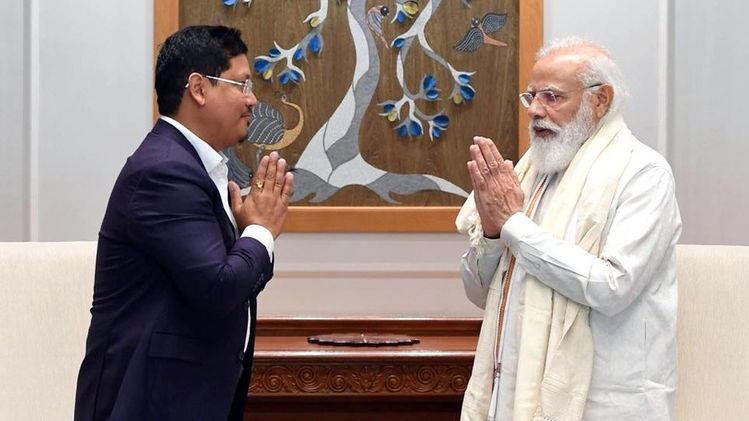
Amid escalating tensions in West Asia, Meghalaya Chief Minister Conrad Sangma has praised Prime Minister Narendra Modi for what he described as “decisive and balanced leadership” in navigating the evolving geopolitical situation. His remarks come at a time when global attention remains focused on the developments in the region and their potential implications for countries like India.
The Meghalaya CM Modi West Asia crisis statement reflects growing political support for India’s diplomatic approach, which aims to safeguard national interests while maintaining strategic neutrality.
Read More: Arunachal Anti-Trafficking Operation Rescues Seven Women
Praise for India’s Diplomatic Approach
Chief Minister Conrad Sangma highlighted that India’s response to the West Asia crisis has been measured and well-calibrated. He noted that Prime Minister Narendra Modi has demonstrated strong leadership by ensuring that India remains prepared for any potential challenges arising from the situation.
Sangma emphasized that India’s foreign policy has successfully balanced multiple priorities. These include maintaining relations with key countries in the region, ensuring the safety of Indian citizens abroad, and securing energy supplies.
According to him, such an approach requires both strategic foresight and quick decision-making, qualities he attributed to the Prime Minister’s leadership.
Importance of West Asia for India
The West Asia region holds significant importance for India due to its economic, strategic, and cultural ties. A large number of Indian expatriates live and work in countries across the region, contributing to both local economies and remittances back home.
Additionally, India relies heavily on energy imports from West Asia. Any disruption in the region can have a direct impact on fuel prices and economic stability.
Chief Minister Conrad Sangma noted that the government’s proactive approach is crucial in managing these dependencies. By staying engaged and responsive, India can mitigate risks and ensure continuity in key sectors.
Ensuring Safety of Indian Citizens
One of the primary concerns during any international crisis is the safety of citizens abroad. Narendra Modi has consistently emphasized the importance of protecting Indian nationals, and the current situation is no exception.
The government has been closely monitoring developments and coordinating with relevant authorities to ensure the well-being of Indian communities in West Asia. Emergency measures and contingency plans are reportedly in place to address any unforeseen situations.
Conrad Sangma praised these efforts, stating that the government’s readiness provides reassurance to families across India.
Strategic Neutrality and Global Role
India’s approach to the West Asia crisis reflects its broader foreign policy strategy of maintaining strategic autonomy. Rather than aligning with any single bloc, India seeks to engage with all stakeholders while advocating for peace and stability.
Chief Minister Conrad Sangma pointed out that this balanced stance enhances India’s credibility on the global stage. It allows the country to act as a responsible and constructive partner in international affairs.
He added that under the leadership of Narendra Modi, India has strengthened its diplomatic presence and expanded its influence across regions.
Political Reactions and Support
The statement by Conrad Sangma has drawn attention from political circles, with several leaders echoing similar sentiments about India’s handling of the crisis.
Supporters of the government argue that decisive leadership is essential in times of global uncertainty. They believe that India’s proactive measures have positioned it well to navigate potential challenges.
However, some opposition voices have called for continued vigilance and transparency, emphasizing the need to keep citizens informed about developments and policy decisions.
Impact on Domestic Politics
While the West Asia crisis is primarily an international issue, its implications extend to domestic politics. Rising fuel prices, economic uncertainties, and concerns about global stability can influence public sentiment.
In this context, statements like those from Conrad Sangma highlight the interconnected nature of global and domestic affairs. Leaders are increasingly addressing international issues as part of their political messaging.
Challenges Ahead
Despite the positive assessment, challenges remain. The situation in West Asia is complex and unpredictable, requiring constant monitoring and adaptability.
India must continue to balance its economic interests with diplomatic commitments. Ensuring energy security, protecting citizens, and maintaining international relations are ongoing priorities.
Chief Minister Conrad Sangma acknowledged these challenges but expressed confidence in the government’s ability to handle them effectively.
The Way Forward
Looking ahead, India’s approach to the West Asia crisis will likely focus on sustained engagement and strategic planning. Diplomatic efforts, economic measures, and security preparedness will play key roles in shaping outcomes.
The praise from leaders like Conrad Sangma underscores the importance of leadership during uncertain times. It also reflects broader confidence in India’s ability to navigate global challenges.
Conclusion
The Meghalaya CM Modi West Asia crisis statement highlights the significance of decisive leadership in managing complex international situations. By commending Narendra Modi, Conrad Sangma has brought attention to India’s balanced and proactive approach.
As regional tensions continue, India’s strategy will remain crucial in safeguarding national interests and contributing to global stability. The coming weeks will be key in determining how the situation evolves and how effectively countries respond to emerging challenges.
Read More: Women, Youth Driving BJP Campaign in Assam: CM Sarma