





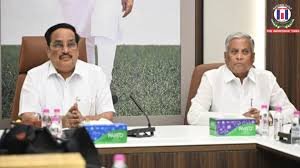
Meghalaya joins Jal Jeevan Mission 2.0, becoming the 12th Indian state to sign a reform-linked MoU. This partnership will enhance water supply infrastructure, while also promoting state-led reforms and improving service delivery to rural communities. Moreover, it marks a major step toward ensuring safe and sustainable drinking water for all.
Tripura Elections 2026: CM Manik Saha Leads BJP Campaign
Meghalaya Signs Jal Jeevan Mission MoU
In a landmark development, Meghalaya officially signed a reform-linked Memorandum of Understanding (MoU) under Jal Jeevan Mission 2.0, joining 11 other states in the country. The initiative aims to provide safe and adequate drinking water to every rural household through an integrated approach combining infrastructure development and policy reforms.
The MoU emphasizes state-specific reforms, including the adoption of modern water supply management systems, capacity building for local institutions, and robust monitoring mechanisms. By signing this MoU, Meghalaya demonstrates its commitment to delivering reliable water services and improving rural livelihoods.
Women’s Cricket Coaching Camp 2026: Empowering Young Athletes
Key Benefits for Meghalaya
- Enhanced Water Supply Coverage: The state will now receive dedicated funding and technical assistance to extend tap water supply to all households in rural areas.
- Improved Service Quality: Advanced monitoring tools and community participation will ensure efficient water delivery.
- Institutional Reforms: Local bodies will receive training and guidance to manage water systems sustainably.
- Financial Support & Incentives: Performance-linked grants will encourage effective utilization of resources.
These benefits are expected to create a positive ripple effect on health, sanitation, and overall quality of life for Meghalaya’s residents.
Transition to Reform-Linked Approach
Unlike the first phase of the Jal Jeevan Mission, the 2.0 version focuses on reform-linked implementation. States that commit to policy and institutional reforms receive greater support and flexibility. Meghalaya’s participation ensures that local water governance systems are strengthened while promoting transparency and accountability.
Some notable reforms include:
- Digital monitoring of water supply systems
- Community-led water quality testing
- Training of rural water committees
- Adoption of sustainable water management practices
Through these measures, Meghalaya aims to achieve 100% functional tap connections in rural areas by the target year.
Impact on Rural Communities
The reform-linked approach directly benefits rural households, particularly in remote areas where water scarcity is a recurring challenge. With functional tap water connections, communities will experience:
- Reduced dependence on unsafe water sources
- Improved public health and hygiene
- Less time spent fetching water, especially for women and children
- Increased awareness about water conservation
Experts believe that this MoU will also foster stronger collaboration between state authorities, NGOs, and community-based organizations, ensuring long-term sustainability of water resources.
FAQs About Meghalaya Jal Jeevan Mission
Q1: What is the Jal Jeevan Mission 2.0?
A1: Jal Jeevan Mission 2.0 is the Indian government’s initiative to provide safe drinking water through reform-linked, community-driven, and technologically advanced systems.
Q2: How is Meghalaya benefiting from this MoU?
A2: Meghalaya will receive financial support, technical assistance, and policy guidance to expand rural water supply and implement reforms in water governance.
Q3: What are reform-linked initiatives under the mission?
A3: These include digital monitoring, local capacity building, community water testing, and sustainable water management practices.
Q4: When will Meghalaya achieve 100% rural tap water coverage?
A4: The state aims to achieve universal functional tap connections in rural areas within the timeframe set under the Jal Jeevan Mission 2.0.
Q5: Can citizens participate in the mission?
A5: Yes, local communities are encouraged to engage through water committees, monitoring, and awareness programs to ensure transparency and efficiency.
Conclusion
Meghalaya’s decision to sign the reform-linked MoU under Jal Jeevan Mission 2.0 is a major step toward sustainable water management. By combining infrastructure development with institutional reforms, the state is poised to provide clean, safe, and reliable water to every rural household. This initiative not only improves public health but also strengthens community participation, ensuring long-term benefits for the people of Meghalaya.
With this strategic move, Meghalaya joins other forward-looking states in demonstrating that effective governance and targeted reforms can transform the quality of life in rural India.