




Ri-Bhoi District to House Northeast’s Newest Green Industrial Hub
In a major step toward sustainable development, the Meghalaya government has launched a bamboo processing cluster in Ri-Bhoi district, aiming to create over 4,000 rural jobs and expand exports of eco-friendly products.
The initiative, launched in collaboration with the Ministry of Micro, Small & Medium Enterprises (MSME), is expected to transform Meghalaya into a bamboo-based manufacturing and export hub.
A Push for the Green Economy in the Northeast
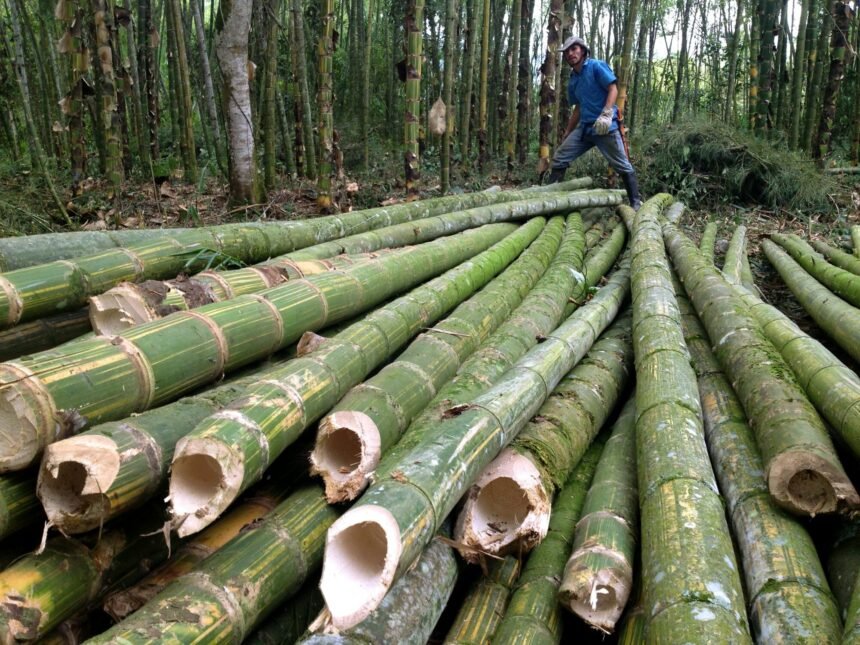
Bamboo is one of the fastest-growing natural resources in Northeast India. However, much of it remains underutilized due to lack of processing infrastructure.
By launching this new cluster, the state government plans to streamline bamboo harvesting, processing, packaging, and export — all in one place. This will reduce wastage and boost value-added products such as:
- Furniture and décor
- Charcoal briquettes
- Construction panels
- Eco-friendly packaging
In addition, the cluster will provide common facilities for testing, design, and quality control, especially useful for small bamboo artisans.
Collaboration With Local Entrepreneurs and SHGs
The project includes a special focus on involving local Self Help Groups (SHGs), particularly those led by women. In fact, over 60% of the training modules have been reserved for women artisans from nearby villages.
“Bamboo is part of our culture. This initiative lets us turn that heritage into livelihood,” said Merilin Kharbuki, a SHG leader from Nongpoh.
The cluster will also partner with startups and rural entrepreneurs, offering them subsidies for setting up micro-factories within the cluster’s industrial zone.
Export Potential: Reaching South Asia and the Gulf
Officials estimate that the cluster could boost bamboo exports by over ₹300 crore annually once it is fully operational. Key export targets include:
- South Asian markets (Bangladesh, Sri Lanka)
- Middle East (eco-friendly construction panels)
- European Union (craft products and carbon-neutral goods)
In fact, Meghalaya is working with the Indian Institute of Packaging to ensure international packaging standards are met.
Environmental Safeguards and Smart Logistics
Unlike most industrial parks, the bamboo cluster will run on solar-powered infrastructure, with a strict policy of zero discharge into nearby rivers.
Moreover, a dedicated bamboo rail corridor is being proposed from Byrnihat to Umsning, to ensure fast movement of raw and finished products.
The government is also using GIS tools to map bamboo availability in nearby forests, helping plan harvests without harming biodiversity.
Roadmap Ahead
- Q3 2025: Complete core factory setup
- Q4 2025: Start first round of MSME production
- 2026 onward: Scale to export and set up satellite units in other districts
The cluster’s management committee includes representatives from Tribal Affairs, Rural Development, and Trade & Commerce, ensuring inter-department coordination.
The Meghalaya bamboo cluster shows how traditional resources can be turned into modern, eco-friendly industries. With the right mix of technology, training, and vision, this project could help redefine rural entrepreneurship in the Northeast — while keeping sustainability at its core.
Read more : Mizoram Launches ₹2,000 Cr Highway Expansion to Boost Border Trade and Connectivity