





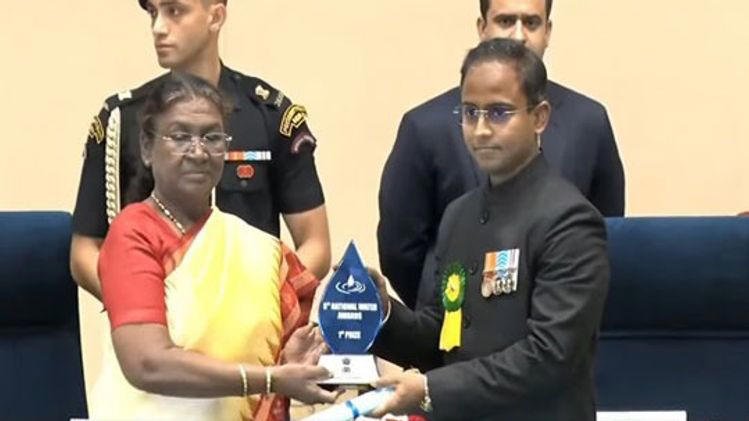
Tripura’s community-driven campaign, Mission Sankalp, has earned national recognition for its impact in ending child marriage. Sepahijala District Magistrate Vishal Kumar will now present the Mission Sankalp success story at the Lal Bahadur Shastri National Academy of Administration (LBSNAA), Mussoorie.
Since its launch in 2022, the mission has transformed how rural communities in Sepahijala view child rights. Through teamwork and consistent local action, the district significantly reduced reported child marriage cases in just two years.
Read More: Tripura Expands Organic Farming, Boosts Export Success
Mission Sankalp success gains national attention
Sepahijala district saw a 70% drop in child marriage reports between 2022 and 2024. The district achieved this by using grassroots action rather than just relying on laws.
Instead of isolated enforcement, officials united teachers, Anganwadi workers, village heads, and child protection committees. This collective effort led to early detection of at-risk girls and timely interventions.
Because of this measurable impact, Mission Sankalp success now stands out among national-level governance models.
Sepahijala DM to showcase strategy at LBSNAA
LBSNAA regularly invites civil servants to share field innovations. Sepahijala DM Vishal Kumar received a special invitation to present how his district tackled child marriage effectively.
Kumar will walk future IAS officers through the step-by-step framework of Mission Sankalp, from local engagement to measurable outcomes. He believes this journey belongs to the people.
“We built trust at the community level. The change didn’t come from pressure—it came from participation,” Kumar stated ahead of his presentation.
Key drivers of the Mission Sankalp success
Several elements fueled the Mission Sankalp success. District officials focused on three main pillars: prevention, empowerment, and monitoring.
1. School-based prevention:
Teachers were trained to identify vulnerable students. Schools acted as safe zones where officials could monitor early warning signs and intervene in time.
2. Youth empowerment:
Girls received training in computers, tailoring, and self-defense. These skills gave them confidence and delayed early marriage decisions.
3. Village-level monitoring:
Every panchayat formed a child protection unit. These teams worked closely with the police and helplines to stop illegal marriages before they happened.
Unlike previous awareness drives, this model created daily vigilance and local ownership.
Recognition from state and central governments
The Government of Tripura praised Sepahijala’s approach and encouraged other districts to follow suit. Moreover, central ministries like Women and Child Development took note of the results.
Their review found that Mission Sankalp success aligned with national campaigns like Beti Bachao Beti Padhao. The initiative blended education, legal action, and awareness in a way that made lasting change.
LBSNAA now plans to include the Sepahijala case study in its training curriculum. This will help new officers learn how to adapt such models in different states.
A movement led by the community
The biggest strength of Mission Sankalp lies in how communities embraced it. Parents started questioning child marriage practices. Youth groups took the lead in reporting suspicious cases.
Girls who once feared dropping out now proudly share their career dreams. “Earlier, no one asked what we wanted. Now we get to speak up,” said Anima Das, a 16-year-old student from Bishramganj.
Child rights volunteers feel encouraged. “Change became visible when people from inside the villages stood up against child marriage,” said a youth counselor in Sonamura.
Looking ahead: Scaling success beyond Sepahijala
While Sepahijala leads the way, the state government now plans to replicate this model across other high-risk blocks. Officials are adapting the toolkit to fit different community needs.
At the national level, states from Rajasthan, Assam, and Odisha have shown interest in studying the Mission Sankalp success framework.
Vishal Kumar believes consistent engagement is key. “We didn’t bring change overnight. But we listened, acted, and stayed connected,” he said.
The Mission Sankalp success story reflects how grassroots governance can reshape social norms. As Sepahijala’s model travels to LBSNAA, it holds potential to inspire officers across India.
By using local voices, trust, and teamwork, the campaign did more than prevent child marriages. It gave young girls a future built on hope, education, and confidence.
Read More: Top 5 Benefits of Drinking Okra Water with Honey and Lemon