





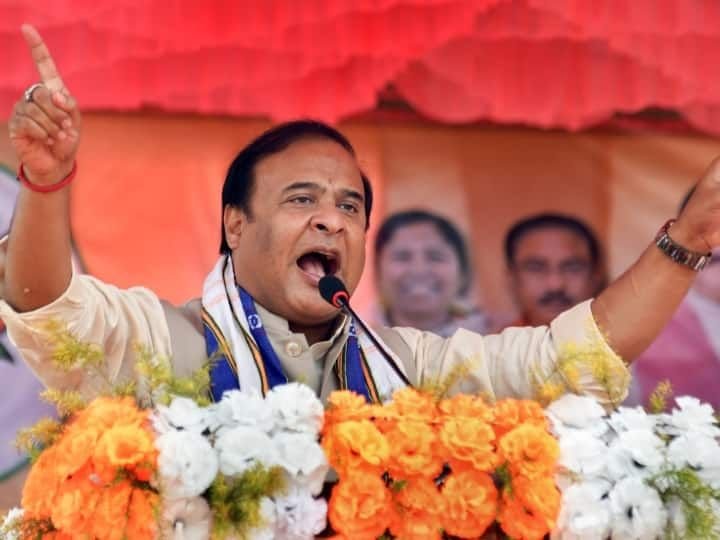
In a bold and controversial statement, Assam Chief Minister Himanta Biswa Sarma publicly warned Jamiat Ulama-i-Hind President Maulana Mahmood Madani over his criticism of the state’s eviction drives. The confrontation has sparked a political firestorm, with Sarma’s warning—“If he acts too smart, I will send him to jail”—making headlines across India.
This direct rebuke came after Madani’s visit to eviction-affected areas, where he accused the Assam government of targeting Muslims. As tensions rise, the phrase “Sarma warns Madani” has become a focal point in discussions surrounding communal politics and governance in Northeast India.
What Triggered Sarma’s Warning?
Madani’s Visit and Controversial Comments
During his visit, Maulana Madani described the eviction operations as “painful” and “unjust,” suggesting that Muslims were being unfairly targeted. He stated, “If Sarma wants to deport me to Bangladesh, he can. He only wants to send Muslims from here to Bangladesh.”
These remarks were perceived by Sarma as inflammatory and politically motivated. In response, Sarma accused Madani of arrogance and irrelevance outside the Congress ecosystem, saying, “Is Madani a God? His pride lasts only as long as Congress exists; without Congress, he is valueless.”
Clearly, Sarma warns Madani not just as a rebuttal, but as a signal to others who challenge his administration’s policies.
Sarma Warns Madani: A Calculated Political Move?
Assertive Leadership or Political Strategy?
Sarma’s warning to Madani wasn’t just a personal rebuttal—it was a calculated political move. By positioning himself as a strong leader who won’t back down, Sarma reinforced his image among supporters. He said, “Is Madani a God? His pride lasts only as long as Congress exists; without Congress, he is valueless.”
This statement not only dismissed Madani’s influence but also tied his relevance to the opposition party, further polarizing the political narrative in Assam.
Assam’s Eviction Drives: A Controversial Policy
Government’s Justification
The Assam government has defended its eviction drives as necessary actions to reclaim illegally occupied government land. Officials argue that these operations are conducted according to legal procedures and are essential for restoring public property.
However, critics—including Madani—claim that the evictions disproportionately affect Muslim communities. This has led to accusations of communal bias and human rights violations.
Political Fallout and Public Reaction
Divided Opinions Across the State
As expected, Sarma’s warning to Madani has drawn mixed reactions. Supporters of the BJP hail it as a necessary stance against divisive politics, while opposition leaders and civil society groups have condemned it as authoritarian and inflammatory.
Moreover, Madani’s comments have resonated with many in the minority community, who feel increasingly marginalized by state policies. This clash has reignited debates about identity, governance, and communal harmony in Assam.
Sarma Warns Madani: What It Means for Assam’s Future
A Pivotal Moment Ahead of Elections
With elections on the horizon, this confrontation could significantly influence voter sentiment. Sarma’s aggressive posture may appeal to nationalist voters, while Madani’s defense of minority rights could galvanize opposition support.
In either case, the Sarma–Madani clash has become a symbol of the larger ideological battle playing out in Assam. It underscores the urgent need for balanced governance and inclusive dialogue.
READ MORE: Manipur Government Restoration Ahead of PM Modi’s Visit