





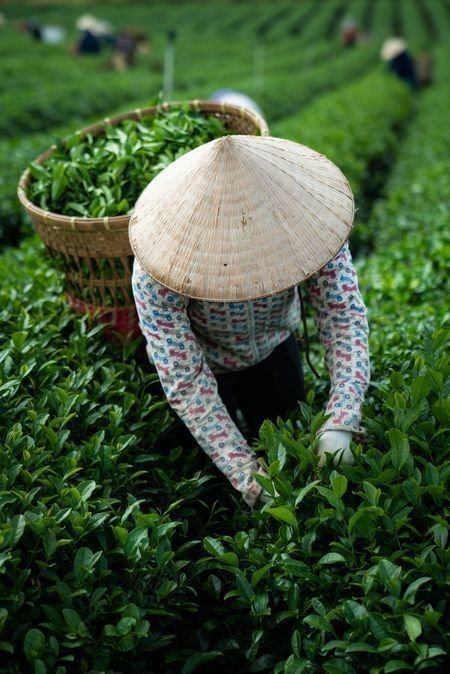
Shillong — Shillong tea growers pricing concerns have reached a critical point this week as small tea-leaf producers in areas around the city publicly declared that current rates for green leaves are no longer sustainable. They say the low purchase price does not cover production costs, and this gap now threatens their livelihoods.
Grower groups explained that input costs have increased steadily, while green-leaf prices have remained stagnant. Because of this, many producers are struggling to break even. They warned that, without urgent intervention, the small-grower tea economy in Meghalaya may collapse.
Shillong Tea Growers Pricing Dispute Intensifies
The producers stressed that green-leaf buyers offer prices that fail to reflect actual costs. Many small growers depend on Bought Leaf Factories (BLFs), and these factories often set the rates unilaterally. As a result, growers say they have no bargaining power.
Moreover, growers argue that the region needs a consistent pricing formula. They explained that monthly green-leaf rates fluctuate sharply, and these fluctuations create deeper financial stress. As prices dip, growers struggle to pay workers, repay loans, and maintain their farms.
To highlight their concerns, growers held discussions with civil groups and local leaders. These groups echoed the demand for government-led reforms. They said a price framework will help stabilize the region’s tea-farming economy.
Growers Push for Remunerative Rates and Policy Action
Call for Minimum Guaranteed Price
Growers are urging the government to introduce a minimum guaranteed price for green tea leaves. They say such a system should reflect actual cultivation costs, including fertilizer, labor, and transport. A minimum rate, they believe, will help protect thousands of small farmers.
Some grower associations suggested a price band that offers fair returns and cushions farmers during market dips. They added that a regulated pricing model will reduce conflict between growers and factories.
Need for Input Support
Growers also want better access to subsidized inputs. They explained that fertilizer and fuel prices have risen sharply. Because of this, maintaining tea bushes has become more expensive. They say subsidies will help producers stay competitive and reduce overall production costs.
Additionally, growers highlighted the need for improved roads, more leaf-collection centers, and better irrigation. These improvements, they argue, will help streamline production and reduce losses.
Regional Impact of Low Green-Leaf Prices
Low prices are not only affecting farmers near Shillong. Across the Northeast, growers in states such as Assam and Tripura have also raised similar concerns. Many small producers fear that the region’s tea industry may face long-term damage if pricing issues continue.
Furthermore, experts warn that prolonged financial stress could force growers to abandon tea cultivation. If that happens, factories may struggle to source quality leaves. This may affect both regional production and India’s overall tea output.
Industry and Government Reaction
Local officials acknowledged receiving several petitions from tea-grower groups. They said the government is examining the concerns and exploring possible interventions. However, growers insist that action must come soon. They stressed that each month of low pricing worsens their financial situation.
Industry observers also believe that a more transparent pricing system will benefit all stakeholders. They argue that stable prices improve supply consistency, reduce grower-factory disputes, and strengthen the quality of processed tea.
Why Fair Pricing Matters Now
Tea remains a crucial livelihood source for thousands of small farmers in Meghalaya. Because farms in the region are small, they are more vulnerable to price shocks. Fair pricing, therefore, becomes more than an economic issue — it determines whether families can continue farming.
With climate shifts adding fresh challenges, growers say they need supportive policies more than ever. They argue that fair pricing will help them sustain their farms and continue contributing to the region’s agricultural output.
READ MORE: Sikkim International Tourism Mart 2025 to Boost Eco Tourism
Policymakers, stakeholders, and tea-industry leaders must act quickly. The Shillong tea growers pricing crisis affects not only farmers but also the future of tea production in the Northeast.
Citizens can support this movement by buying from brands that work with small growers. Leaders must strengthen pricing systems so farmers receive fair compensation. With timely intervention, small growers can survive and continue shaping the region’s rich tea heritage.