







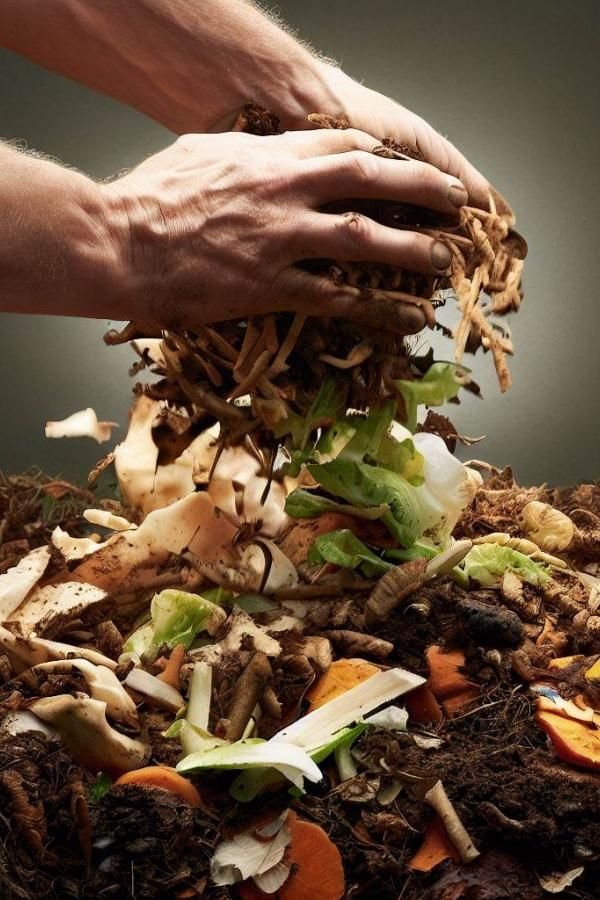
In a major push towards green living and smart waste management, Tinsukia district has launched a waste-to-compost plant in Doomdooma. This facility is designed to transform organic waste into useful compost, helping the town reduce landfill load while promoting a cleaner and greener Assam.
What the Tinsukia Waste-to-Compost Plant Means for Doomdooma
The launch of the Tinsukia waste-to-compost plant is more than just an infrastructure upgrade. It signals a shift in how waste is treated and recycled in smaller towns of Northeast India. Until now, most organic waste from markets and homes ended up in overflowing landfills. This plant, however, turns that waste into compost, benefiting both farmers and the environment.
Moreover, the project supports the Swachh Bharat Abhiyan and Assam’s goal of zero-waste towns by 2030.
How the Doomdooma Composting Facility Works
At the core of this initiative is a modern composting system. It separates biodegradable waste from non-degradable materials, then uses aerobic composting to break down organic matter efficiently. As a result, the plant generates high-quality compost within 30 to 45 days.
In addition, the facility includes:
- Automatic waste segregators
- Moisture and temperature control systems
- Solar-powered equipment to reduce emissions
The plant can process up to 5 tonnes of organic waste daily, making it one of the largest such facilities in Upper Assam.
Why Tinsukia Chose Doomdooma for This Green Project
Doomdooma has seen rapid urban growth in recent years. Unfortunately, this has come with increased waste generation. By placing the plant here, authorities aim to curb illegal dumping and ensure sustainable waste treatment at the source.
According to Deputy Commissioner Swapneel Paul,
“This plant brings together environmental responsibility and local economic benefit. We’re turning waste into a resource while creating jobs.”
Clearly, the Tinsukia waste-to-compost plant offers both environmental and social value to the region.
Key Environmental Benefits of the Composting Plant
The benefits of the Doomdooma compost facility are immediate and long-term. First and foremost, it reduces the amount of untreated organic waste entering the environment. Secondly, it helps lower methane emissions caused by decomposing waste in landfills.
Additional Advantages:
- Supports organic farming through compost distribution
- Reduces dependence on chemical fertilizers
- Improves hygiene and cleanliness in public spaces
With these benefits, the Tinsukia waste-to-compost plant becomes an essential model for eco-friendly urban planning.
Local Support and Community Engagement
Notably, the success of this facility depends on public participation. Citizens are encouraged to segregate waste at home, separating wet (organic) and dry (inorganic) waste before disposal.
Community members, like Meera Das, a resident of Doomdooma, welcome the move:
“We finally have a system that doesn’t just hide the waste but actually puts it to use. It’s a big step forward.”
Additionally, local civic bodies are planning awareness drives to teach residents about the importance of waste segregation and composting.
How This Plant Fits into Assam’s Larger Green Agenda
The launch is part of Assam’s broader push for decentralized waste management. Similar plants are being considered for Margherita, Digboi, and Sadiya. These initiatives complement projects like the Rengma Reserve Forest restoration in Golaghat.
Help Keep Doomdooma Clean
The plant alone can’t solve the waste crisis. You can help by:
- Segregating your household waste
- Avoiding single-use plastics
- Using compost in your garden or farm
Together, small actions can lead to big environmental wins.
READ MORE: Tipra Motha Attacks BJP Workers: 9 Injured in Tripura Clash
Tinsukia is showing how waste can become wealth. The Doomdooma composting plant sets a strong example for other towns across Assam and India.

