





By using this site, you agree to the Privacy Policy and Terms of Use.
Accept
Hindustan PioneerHindustan Pioneer
  • Home
  • Business
  • News
  • Education
  • Entertainment
  • Lifestyle
  • Travel
  • Web Stories
Reading: Toxic tides Chinese fishing vessels pumping cyanide into contested waters
Share
Notification Show More
Latest News
Shutdown Imposed in Parts of Kangpokpi After Arson Attack on K. Songlung Village
January 27, 2026
Mizoram CM Lalduhoma Launches ‘Mizoram CSR Connect’ Portal to Boost CSR Investments
January 27, 2026
Assam CM Himanta Biswa Sarma Highlights Investment Opportunities at WEF 2026
January 22, 2026
Muanpuii Saiawi Appointed India’s Next High Commissioner to New Zealand
January 22, 2026
Golden Competitions 2026 Conclude Successfully at Maghey Sankranti Mela in Sikkim
January 21, 2026
Aa
Aa
Hindustan PioneerHindustan Pioneer
  • Home
  • Business
  • News
  • Education
  • Entertainment
  • Lifestyle
  • Travel
  • Web Stories
Follow US
  • Advertise
  • Editorial Policy
  • Contact Us
© 2022 Foxiz News Network. Ruby Design Company. All Rights Reserved.
Home » Blog » Toxic tides Chinese fishing vessels pumping cyanide into contested waters
News

Toxic tides Chinese fishing vessels pumping cyanide into contested waters

Divya Parashar
By Divya Parashar 3 Min Read Published February 20, 2024
Share
chinese
SHARE

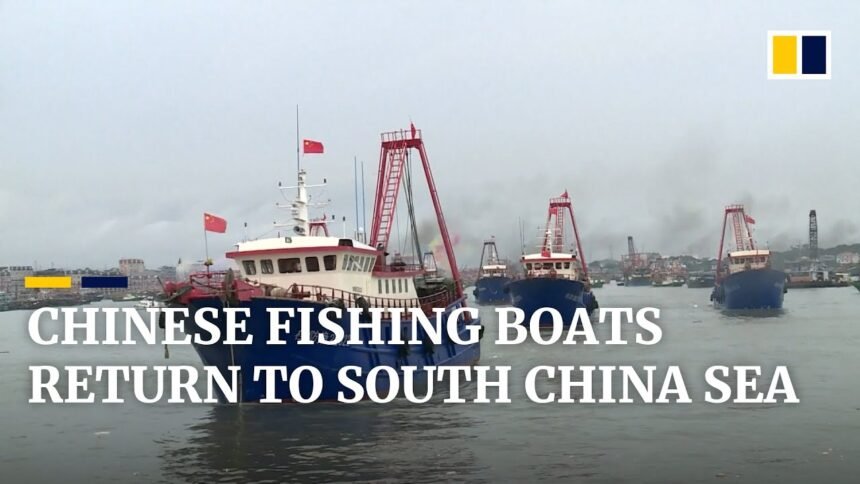
In a worrying development for marine environments and global relations, there are reports of Chinese fishing boats reportedly using cyanide to catch fish in disputed waters. This practice not only poses a significant threat to marine life but also exacerbates tensions in regions where territorial disputes are already high.

Cyanide fishing, also known as cyanide poisoning, involves the use of sodium cyanide to stun fish, making them easier to catch. This highly toxic chemical can have devastating effects on marine ecosystems, killing not only the targeted fish but also other marine life in the vicinity. The use of cyanide can lead to the destruction of coral reefs, the loss of biodiversity, and the depletion of fish populations, which can have far-reaching consequences for the health of the oceans and the livelihoods of coastal communities.

The practice of cyanide fishing is not new, but its use by Chinese fishing vessels in contested waters has raised alarm bells among environmentalists and government officials. The South China Sea, in particular, has been a hotspot for territorial disputes between China and its neighboring countries, including the Philippines, Vietnam, and Malaysia. The use of cyanide fishing in these waters further complicates an already volatile situation and can lead to increased tensions and conflict.

In response to these reports, the governments of affected countries have called for an end to cyanide fishing and have pledged to take action against those responsible. The Philippine Coast Guard has conducted patrols in the South China Sea to monitor the activities of Chinese fishing vessels and has seized several vessels found to be engaged in illegal fishing practices. Similarly, Vietnam has also stepped up its efforts to combat cyanide fishing in its waters and has warned that it will take action against any vessels found to be using cyanide.

The use of cyanide fishing by Chinese vessels in contested waters is a clear violation of international law and poses a significant threat to marine ecosystems and regional stability. Governments need to work together to address this issue and ensure that those responsible are held accountable for their actions. Additionally, measures should be put in place to prevent the use of cyanide fishing in the future and to protect the oceans and the marine life that inhabits them.

The practice of cyanide fishing by Chinese ships in disputed waters is a matter of concern and necessitates immediate attention. This practice not only poses a significant threat to marine ecosystems but also exacerbates tensions in regions where territorial disputes are already high. Governments need to work together to address this issue and to protect the oceans and the marine life that depend on them.


You Might Also Like

Shutdown Imposed in Parts of Kangpokpi After Arson Attack on K. Songlung Village

Mizoram CM Lalduhoma Launches ‘Mizoram CSR Connect’ Portal to Boost CSR Investments

Assam CM Himanta Biswa Sarma Highlights Investment Opportunities at WEF 2026

Muanpuii Saiawi Appointed India’s Next High Commissioner to New Zealand

Golden Competitions 2026 Conclude Successfully at Maghey Sankranti Mela in Sikkim

TAGGED: Chinese, Environment, Fishy Business, Hindustanpioneer
Divya Parashar February 20, 2024
Share this Article
Facebook Twitter Whatsapp Whatsapp LinkedIn Copy Link
Posted by Divya Parashar basic
Follow:
I am Divya, I love Content Writing ,I Love Reading Books ,I Love Listening To Songs. I Want To Fulfill My Dreams.
Previous Article mamta Mamata Did Not Meet Us Sandeshkhali Women Say Risky To Live In Village.
Next Article Unlocking Growth: The Advantages of Leveraging Meta & WhatsApp Business API for Your Brand with TheWebStore028
Leave a comment

Leave a Reply Cancel reply

You must be logged in to post a comment.

Stay Connected

- Advertisement -

Latest News

Shutdown Imposed in Parts of Kangpokpi After Arson Attack on K. Songlung Village
News
Mizoram CM Lalduhoma Launches ‘Mizoram CSR Connect’ Portal to Boost CSR Investments
News
Assam CM Himanta Biswa Sarma Highlights Investment Opportunities at WEF 2026
News
Muanpuii Saiawi Appointed India’s Next High Commissioner to New Zealand
News

© 2022-2025 Hindustan Pioneer. All Rights Reserved.

  • About Us
  • Editorial Policy
  • Our Team
  • Contact Us

Removed from reading list

Undo
Welcome Back!

Sign in to your account

Lost your password?