

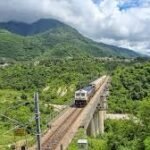


Tripura is set to make a significant leap in sustainable transport as authorities complete a new transmission line to support the upcoming electric train launch. The initiative is part of the state’s push to modernize rail infrastructure and reduce carbon emissions while improving connectivity.
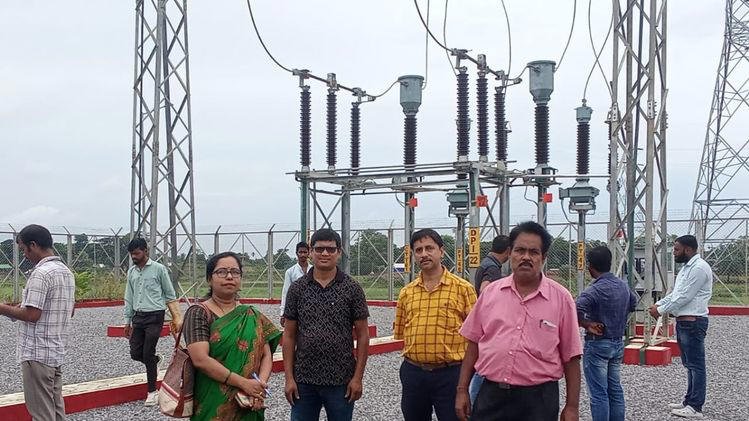
The Chief Minister and officials from the Railways Department recently inspected the newly installed transmission facilities. They confirmed that the system is fully operational and ready to support electric train services, marking a major milestone for Tripura’s transport network.
Read More: Rangapara Co-District to Solve Many Issues: Assam Minister
Significance of the Electric Train Initiative
The launch of electric trains in Tripura represents a step toward cleaner and more efficient rail transport. Electric locomotives reduce dependence on fossil fuels, minimize greenhouse gas emissions, and lower operating costs compared to diesel engines.
Officials believe that electrification will also improve train speed and reliability. With a modernized transmission line in place, passengers and goods can move faster and more efficiently across the state, strengthening Tripura’s economic and logistical network.
Development of Transmission Infrastructure
The transmission line has been carefully planned to support the new electric rail services. Engineers installed high-capacity overhead lines and power substations at strategic locations along the railway route.
Tripura’s Power and Rail Departments collaborated to ensure uninterrupted electricity supply for the electric trains. By coordinating power distribution and rail schedules, authorities aim to prevent service disruptions and maintain smooth train operations.
Boosting Rail Connectivity
The electrification project will significantly enhance rail connectivity within Tripura and with neighboring states. Electric trains are expected to run on multiple key routes, connecting towns, industrial hubs, and commercial centers more efficiently than ever before.
Authorities have highlighted that better connectivity will facilitate trade and passenger movement. It will also reduce travel times, providing commuters with a convenient and sustainable alternative to road transport.
Economic Impact
The launch of electric trains is likely to have a positive impact on Tripura’s economy. Faster, cleaner, and more reliable train services can attract businesses and industries to invest in the state. Local communities are expected to benefit from improved access to jobs, markets, and services.
The transmission line project itself has created employment opportunities in construction, engineering, and maintenance. Furthermore, the shift to electric trains is projected to lower operational costs for the railways, creating long-term savings.
Environmental Benefits
One of the primary advantages of introducing electric trains is environmental sustainability. Unlike diesel locomotives, electric trains produce no direct emissions, which helps reduce air pollution along rail corridors.
The Tripura government emphasized that electrification aligns with national goals of promoting renewable energy and sustainable infrastructure. With cleaner trains on the tracks, the state can contribute to a greener and healthier environment while meeting increasing transport demand.
Government Initiatives and Support
The government of Tripura has actively supported the electrification project. Officials coordinated with the Railways Ministry to secure funding, technical assistance, and equipment necessary for the transmission line.
Additionally, local authorities engaged with communities along the railway route to ensure smooth implementation. Public awareness campaigns highlighted the benefits of electric trains, including faster travel, lower pollution, and better connectivity.
Preparing for the Launch
Authorities have scheduled rigorous testing and trial runs to ensure the safety and efficiency of the electric trains. Engineers are inspecting tracks, substations, and overhead lines to confirm they meet national safety standards.
Railway staff have also undergone specialized training to manage and operate electric locomotives. These preparatory measures aim to provide passengers with a reliable, safe, and high-quality travel experience from the first day of operation.
Future Expansion Plans
Tripura’s electrification initiative marks the beginning of a broader vision for sustainable rail transport. Authorities plan to extend electric train services to additional routes, connecting remote areas and boosting regional development.
Officials are also exploring the integration of renewable energy sources, such as solar and wind power, to further reduce the carbon footprint of the rail network. Long-term plans include modernizing stations, improving passenger amenities, and enhancing freight handling facilities.
Public Reception and Expectations
Local residents and business owners have expressed excitement about the upcoming electric train services. Commuters anticipate shorter travel times, smoother rides, and a cleaner alternative to diesel trains.
Business communities expect improved logistics and faster delivery of goods, which can enhance trade efficiency. Farmers and manufacturers along the railway routes also stand to benefit from faster and more reliable transportation options.
Tripura’s new transmission line and the upcoming electric train launch represent a transformative step for the state’s transport infrastructure. By modernizing rail services, the government aims to improve connectivity, promote sustainable transport, and drive economic growth.
The initiative is expected to provide significant benefits for passengers, businesses, and the environment. With careful planning, efficient implementation, and community engagement, Tripura’s electric train network is poised to become a model for sustainable rail transport in Northeast India.
By embracing electric trains, Tripura is not only enhancing mobility but also taking a major step toward a greener, more connected future.
Read More: CM Manik Saha HIV warning: Students Advised on Drug Abuse