





A Bold Vision for Energy Independence
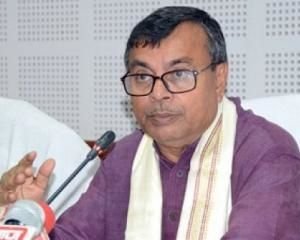
Tripura is charting a new path in India’s renewable energy journey. Power Minister Ratan Lal Nath has declared that Tripura will be power self-sufficient by 2032, thanks to a massive push in solar rooftop adoption and hydrokinetic energy projects. This bold plan aims to generate 1,185 MW of clean energy, far surpassing the state’s projected demand of 650 MW.
This announcement comes at a time when India is aggressively pursuing renewable energy targets under its National Solar Mission. Tripura’s initiative positions the state as a leader in sustainable energy adoption in the North East.
Current Energy Landscape
- Tripura currently has 10.57 lakh power consumers.
- Peak demand stands at 378 MW per day.
- Natural gas remains the primary source of power, but reserves are depleting.
To address this, the government is pushing for solar adoption at household and institutional levels.
Solar Rooftop Revolution
Household Solar Adoption
If 5 lakh households install rooftop solar panels, Tripura could generate 1,000 MW daily. This is nearly three times the current demand, ensuring surplus energy for future growth.
Currently, 15,000 households have installed solar panels, contributing 6 MW. The government is offering subsidies and incentives to accelerate adoption.
Government Buildings Going Solar
In addition, 200 government buildings are being equipped with solar plants, targeting 80 MW capacity. This move not only reduces dependency on fossil fuels but also sets an example for private institutions.
Harnessing Hydrokinetic Power
Tripura has identified 10 river sites for hydrokinetic projects, with a potential of 185 MW. Unlike traditional hydropower, hydrokinetic systems harness the natural flow of rivers without large dams, making them eco-friendly and cost-effective.
This dual strategy—solar plus hydrokinetic—ensures a balanced energy mix that is resilient to seasonal variations.
Future Demand and Supply
By 2031–32, Tripura’s peak demand is expected to rise to 650 MW. With 1,000 MW solar and 185 MW hydrokinetic, the state will not only meet demand but also create a power surplus.
This surplus can be sold to neighboring states, boosting Tripura’s economy and positioning it as a renewable energy hub in the North East.
Policy and Infrastructure Support
Tripura is also pioneering the North East’s first ECBC (Energy Conservation Building Code) building, showcasing its commitment to sustainable infrastructure.
The government is working closely with agencies like the Ministry of New and Renewable Energy (MNRE) and the Tripura Renewable Energy Development Agency (TREDA) to ensure smooth implementation.
Challenges Ahead
While the vision is inspiring, challenges remain:
- High upfront costs for solar installations.
- Need for skilled workforce for maintenance.
- Seasonal variability in sunlight and river flow.
- Consumer awareness and willingness to adopt new technology.
To overcome these, the government is expected to roll out financial schemes, awareness campaigns, and technical support programs.
Why This Matters
Tripura’s journey towards power self-sufficiency is not just about energy—it’s about:
- Economic growth through reduced imports and surplus sales.
- Environmental sustainability by cutting carbon emissions.
- Social empowerment as households become energy producers.
This initiative aligns with India’s broader goal of achieving 500 GW renewable energy capacity by 2030.
READ MORE: Salman Khan Arrives in Jamnagar for New Year
Tripura’s bold step is a reminder that energy independence starts at home. If you are a resident, consider adopting rooftop solar panels to contribute to this mission. Businesses and institutions can also play a role by investing in renewable infrastructure.
Together, we can make Tripura a shining example of clean, green, and self-sufficient energy.