



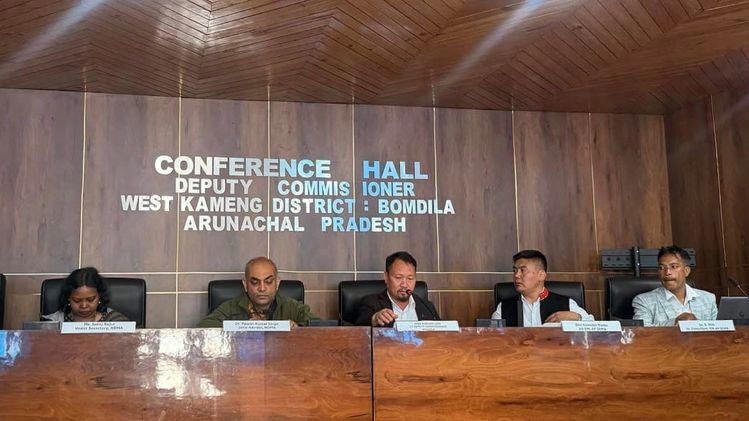
West Kameng district of Arunachal Pradesh recently held a coordination meeting on disaster management. The meeting brought together district officials, community representatives, and security forces to discuss strategies for better preparedness. The session highlighted the urgent need for comprehensive planning as the region faces multiple natural disaster threats. The West Kameng disaster readiness review marks an important step in creating safer communities.
Read More: GST Cut on Cancer Drugs to Make Treatment Affordable
Importance of Disaster Preparedness in West Kameng
Located in the eastern Himalayas, West Kameng is highly vulnerable to natural disasters such as landslides, floods, earthquakes, and heavy rainfall. With its mountainous terrain and fragile ecosystems, the district often faces challenges during monsoon seasons. The West Kameng disaster readiness initiative aims to reduce risks, safeguard lives, and minimize property damage.
Officials emphasized that disaster preparedness is not limited to emergency response but also includes risk assessment, preventive measures, and awareness programs. The meeting underlined the importance of integrating disaster management into regular governance to ensure community resilience.
Coordination Between Key Departments
The coordination meeting focused on enhancing collaboration among government departments, armed forces, police, and civil society organizations. Effective disaster response requires joint action, and the West Kameng disaster readiness discussion created a platform for coordination.
Representatives from the health, power, public works, and rural development departments shared their plans for ensuring services remain functional during emergencies. The role of the police and paramilitary forces in maintaining order and assisting with rescue operations was also highlighted.
By bringing all stakeholders together, the district administration demonstrated its commitment to creating an integrated disaster management approach.
Preparedness for Monsoon Hazards
One of the key topics of the West Kameng disaster readiness meeting was preparing for monsoon-related hazards. Landslides and floods often disrupt connectivity and pose risks to remote villages. Officials outlined measures such as pre-positioning relief materials, repairing vulnerable road stretches, and ensuring communication networks remain active.
Special attention was given to creating evacuation routes and identifying safe shelters. Schools and community halls will serve as temporary relief centers if required. The administration also discussed the importance of stocking essential supplies like food, medicine, and drinking water ahead of emergencies.
Community Awareness and Training
Disaster preparedness is effective only when communities are actively involved. During the West Kameng disaster readiness review, officials stressed the need to conduct awareness campaigns in villages. Training sessions on first aid, early warning systems, and evacuation procedures will be organized.
Local youth groups and women’s organizations will be engaged in spreading awareness. Such participation ensures that communities are not only informed but also equipped to respond during crises. By empowering residents, the administration hopes to reduce dependence on external aid and strengthen self-reliance.
Role of Technology in Disaster Management
Modern technology was also discussed as a key element of the West Kameng disaster readiness strategy. The use of satellite-based weather forecasts, GPS tracking, and mobile alert systems can provide timely information to residents. Officials proposed exploring partnerships with scientific institutions to improve prediction and monitoring systems.
Digital platforms will be used to disseminate warnings quickly, ensuring that even remote villages receive timely updates. By integrating technology with traditional knowledge, the district aims to enhance both preparedness and response.
Health and Emergency Services
The meeting also focused on the role of health services during disasters. The West Kameng disaster readiness plan includes setting up mobile medical units and ensuring adequate stock of emergency medicines. Hospitals have been instructed to prepare contingency plans for handling a surge in patients during natural disasters.
Training health workers in trauma care, snakebite treatment, and epidemic control was emphasized. Ensuring safe drinking water and sanitation facilities during floods was also prioritized, as waterborne diseases often follow such events.
Challenges in Implementation
Despite strong planning, the West Kameng disaster readiness effort faces challenges. The difficult terrain often makes access to remote villages difficult. Limited infrastructure, fragile roads, and frequent communication breakdowns add to the difficulties.
Officials noted that building long-term resilience requires continuous investment in infrastructure and training. They acknowledged the need for stronger disaster management funding and better coordination between state and central agencies.
Strengthening Community-Based Disaster Management
The district administration highlighted that disaster preparedness cannot succeed without active community participation. The West Kameng disaster readiness strategy aims to train village volunteers who can act as first responders. These volunteers will be equipped with basic rescue kits, communication devices, and training to handle emergencies before official teams arrive.
By creating such community-based disaster management groups, the district hopes to reduce response time and save lives during critical hours. Local leaders will also play a role in coordinating relief efforts and maintaining calm during emergencies.
Future Roadmap for West Kameng
Looking ahead, the West Kameng disaster readiness plan includes regular mock drills, capacity-building workshops, and infrastructure upgrades. The administration is working to establish a disaster resource center that will act as a hub for training and coordination.
Long-term measures such as strengthening embankments, reforestation to reduce landslides, and building resilient infrastructure are also part of the roadmap. The goal is not just to respond to disasters but to create systems that can withstand future risks.
The recent coordination meeting in West Kameng highlighted the district’s determination to improve disaster preparedness and safeguard its people. By focusing on coordination, community participation, and technology-driven solutions, the West Kameng disaster readiness initiative is setting a strong example for other regions.
While challenges remain, the proactive steps taken by the administration and community stakeholders mark a positive direction. With consistent efforts and collaboration, West Kameng is working to transform vulnerability into resilience, ensuring a safer and more secure future for its residents.