




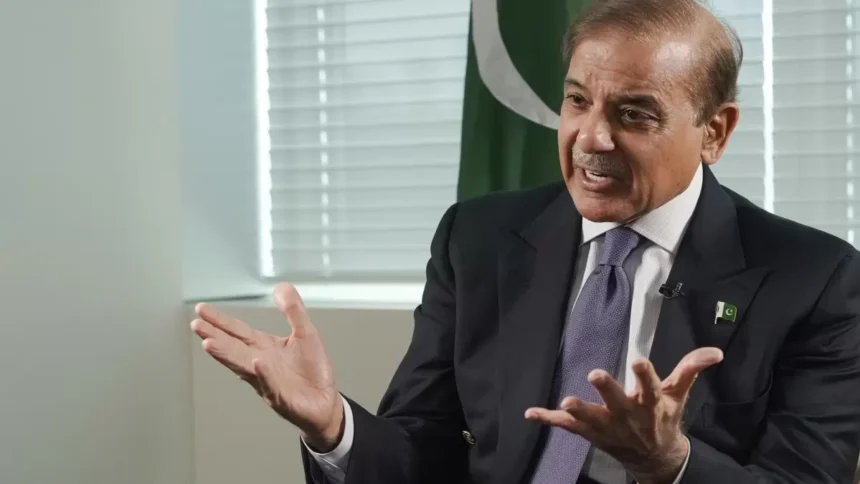
In a recent statement, Prime Minister Shehbaz Sharif expressed optimism that Pakistan, having fulfilled all the necessary preconditions, will be able to sign a staff-level agreement with the International Monetary Fund (IMF). This agreement aims to revive the stalled bailout program for the cash-strapped country.
As the current USD 6.5 billion IMF program approaches its expiration date on June 30, many observers believe that Pakistan’s chances for its revival have significantly diminished. Out of the total package, the IMF has not yet disbursed $2.6 billion to Pakistan, adding to the financial strain the country is experiencing.
During a ceremony, Prime Minister Sharif addressed the attendees and conveyed his confidence in reaching a deal with the global lender. He also mentioned the government’s contingency plan, known as plan B, indicating that if the agreement with the IMF faces further delays, he will address the public accordingly.
The IMF signed a deal with Pakistan in 2019, pledging to provide USD 6 billion to the country upon the fulfillment of specific conditions. Since then, Pakistan has made efforts to meet these requirements, and the government is now hopeful of reaching a staff-level agreement with the IMF to secure the much-needed financial support.
The completion of an IMF staff-level agreement would mark a significant milestone for Pakistan, as it would demonstrate the country’s commitment to implementing economic reforms and ensuring macroeconomic stability. Such an agreement could potentially unlock additional financial assistance from other international lenders and help boost investor confidence in Pakistan’s economy.
The funds provided by the IMF are crucial for Pakistan to address its balance of payments issues, stabilize its currency, and stimulate economic growth. Furthermore, the IMF program serves as a signal to other countries and institutions that Pakistan is committed to financial discipline and structural reforms.
However, the road to securing the IMF agreement has been challenging, and delays have put pressure on Pakistan’s economy. The COVID-19 pandemic and its subsequent impact on the global economy have added additional complexities to the situation. Despite these challenges, Prime Minister Sharif remains hopeful and determined to navigate through these obstacles to secure the agreement.
Pakistan’s government has taken steps to address the concerns raised by the IMF, including implementing reforms in areas such as tax collection, energy subsidies, and governance. These efforts demonstrate the country’s commitment to improving its economic stability and attracting foreign investment.
The revival of the IMF program would provide Pakistan with financial stability, enabling the government to continue its development agenda and provide relief to the people. Additionally, it would help restore confidence in Pakistan’s economy, attracting domestic and foreign investors and promoting sustainable growth.
Prime Minister Shehbaz Sharif’s optimism regarding the signing of a staff-level agreement with the IMF reflects Pakistan’s determination to overcome the challenges it faces in reviving the stalled bailout program. Despite the looming expiration date and the remaining disbursement amount, the government’s commitment to meeting the IMF’s conditions and implementing necessary reforms is key to securing the much-needed financial assistance. The successful revival of the IMF program would not only provide immediate relief but also pave the way for long-term economic stability and growth in Pakistan.