





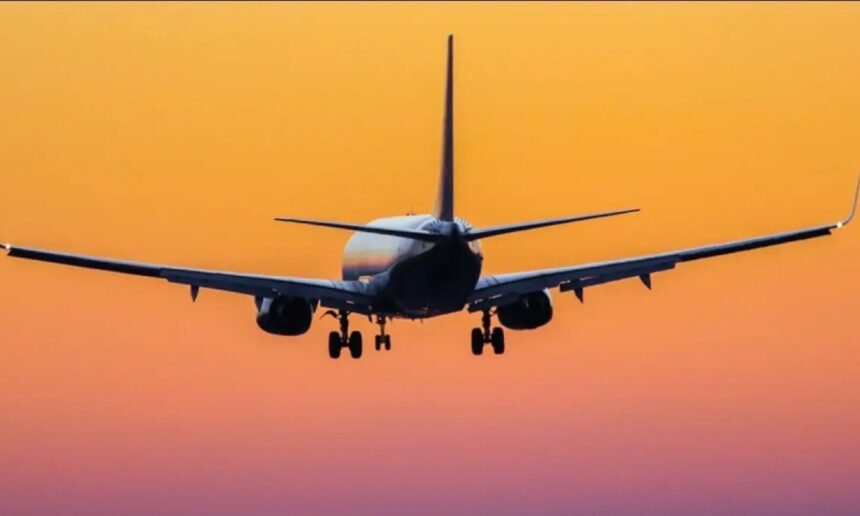
A recent study conducted by researchers from the University of Reading in the UK has revealed that climate change has led to an increase in turbulence during air travel over the past four decades. The study, published in the journal Geophysical Research Letters, highlights the rise of clear-air turbulence, a type of turbulence that is invisible and poses a significant risk to aircraft. The findings indicate that various regions across the world have experienced an escalation in turbulence levels, impacting one of the busiest flight routes, the North Atlantic.
Increase in Turbulence Duration:
The study’s analysis focused on a typical point over the North Atlantic, which serves as a major thoroughfare for air traffic. The researchers compared the total annual duration of severe turbulence between 1979 and 2020. Their findings revealed a substantial 55 percent increase in the duration of severe turbulence, rising from 17.7 hours in 1979 to 27.4 hours in 2020. These figures underscore the escalating risk faced by aircraft and passengers due to turbulent conditions.
Implications of Clear-Air Turbulence:
Clear-air turbulence poses a unique challenge to pilots and passengers alike. Unlike other forms of turbulence that can be identified through visual cues, clear-air turbulence is invisible, making it difficult to anticipate and avoid. This type of turbulence occurs when air masses of different speeds and temperatures collide, creating turbulent eddies that can jolt an aircraft unexpectedly. The increased frequency and severity of clear-air turbulence due to climate change have significant implications for air travel safety and passenger comfort.
Causes and Climate Change Connection:
The study suggests that the intensification of clear-air turbulence can be attributed to the impact of climate change. As global temperatures rise, the atmosphere undergoes alterations that affect air currents and increase the likelihood of turbulent conditions. The warming of the atmosphere causes the jet stream, a fast-flowing air current that plays a crucial role in air travel, to become more unstable. This instability contributes to the formation of clear-air turbulence and its subsequent increase over the years.
Safety Concerns and Mitigation Strategies:
The rising incidence of clear-air turbulence necessitates a closer examination of safety measures and mitigation strategies within the aviation industry. Pilots rely on weather forecasts and reports from other aircraft to navigate turbulent areas, but these precautions may become insufficient as turbulence becomes more unpredictable and severe. Researchers and aviation authorities are exploring advanced technologies, such as improved weather monitoring systems and turbulence-prediction algorithms, to enhance safety and minimize the impact of turbulence on air travel.
Environmental Implications:
The study’s findings also underscore the interconnectedness between climate change, air travel, and the environment. The aviation industry is a significant contributor to greenhouse gas emissions, which further exacerbate climate change. As the study reveals the detrimental effects of climate change on air travel, it serves as a reminder of the urgent need for sustainable practices within the aviation sector. Developing and adopting greener technologies, implementing more efficient flight paths, and reducing overall emissions can help mitigate the impacts of climate change on air travel while addressing environmental concerns.
Conclusion:
The University of Reading’s study provides compelling evidence of the increasing risk posed by clear-air turbulence in air travel, attributing it to climate change. The rise in turbulence duration observed over the past four decades, particularly in the North Atlantic region, highlights the need for improved safety measures and mitigation strategies. Furthermore, the study reinforces the importance of sustainable practices within the aviation industry to minimize both the environmental impact and the effects of climate change on air travel. Continued research, innovation, and collaboration among researchers, aviation authorities, and industry stakeholders are vital to ensuring safe and sustainable air travel in the face of a changing climate.

