





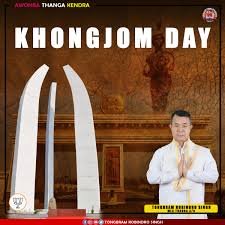
Khongjom Day observance Tripura reflects deep respect as Manipuri communities across the state commemorated the martyrs of the 1891 Anglo-Manipur War with ceremonies and tributes.
Manipuri communities in Tripura came together to observe Khongjom Day, paying homage to the martyrs of the 1891 Anglo-Manipur War. The day holds immense historical significance, and people marked it with solemn ceremonies and cultural programs. Moreover, the observance reinforced a sense of identity, remembrance, and respect for those who sacrificed their lives.
Historical Significance of Khongjom Day
Khongjom Day commemorates the bravery of Manipuri soldiers who fought in the Anglo-Manipur War of 1891. The battle at Khongjom stands as a symbol of resistance and courage. Therefore, the observance keeps this important chapter of history alive for future generations.
Additionally, remembering such events strengthens awareness of regional heritage. It also encourages people to value the sacrifices made for freedom and dignity.
Observance Across Tripura
Various Manipuri communities across Tripura organized events to mark the day. Participants gathered at community centers, memorial sites, and public spaces to offer tributes.
Furthermore, organizers arranged cultural programs, speeches, and moments of silence. As a result, the observance became both educational and emotional for attendees.
Tribute to the Martyrs
People paid homage to the martyrs through floral tributes and remembrance ceremonies. Community leaders and elders spoke about the importance of honoring their legacy.
Moreover, such acts of tribute help preserve the memory of those who fought bravely. Therefore, the day serves as a reminder of courage and sacrifice.
Cultural Programs and Participation
Cultural performances played a key role in the observance. Traditional music, dance, and storytelling reflected the rich heritage of the Manipuri community.
Additionally, young participants actively engaged in these programs, showing a strong connection to their roots. Consequently, the event promoted cultural continuity.
Role of Community Leaders
Community leaders guided the आयोजन of events and ensured smooth participation. They emphasized unity and the importance of remembering historical events.
Furthermore, their involvement encouraged broader participation and awareness. Therefore, leadership played a vital role in the success of the observance.
Importance of Preserving Heritage
Preserving cultural and historical heritage remains essential for any community. Events like Khongjom Day help pass traditions and values to younger generations.
Moreover, such observances create opportunities for learning and reflection. Consequently, they strengthen cultural identity and pride.
Public Response and Engagement
The observance received strong participation from people of all age groups. Many attendees expressed pride in their history and gratitude for the sacrifices of the martyrs.
Additionally, social and community platforms highlighted the significance of the day. Therefore, the event gained widespread attention.
Tense Bishalgarh Temple Construction Dispute Sparks Concern
Broader Significance for Society
Khongjom Day serves as more than just a historical remembrance. It promotes unity, respect, and cultural awareness.
Moreover, such events inspire communities to stay connected with their roots while moving forward. Therefore, the observance holds lasting importance.
Future Observances and Continuity
Communities plan to continue observing Khongjom Day with even greater participation. Organizers aim to expand programs and involve more youth in future events.
Furthermore, continued observance will ensure that the legacy of the martyrs remains alive. Therefore, the tradition will likely grow stronger over time.
FAQs
1. What is Khongjom Day observance Tripura about?
It commemorates the martyrs of the 1891 Anglo-Manipur War.
2. Who observes Khongjom Day in Tripura?
Manipuri communities across the state organize and participate in the observance.
3. Why is Khongjom Day important?
It honors bravery and preserves the history of the Anglo-Manipur War.
4. How do people celebrate the day?
They hold ceremonies, offer tributes, and organize cultural programs.
5. What is the significance for younger generations?
It helps them learn about history and maintain cultural identity.