




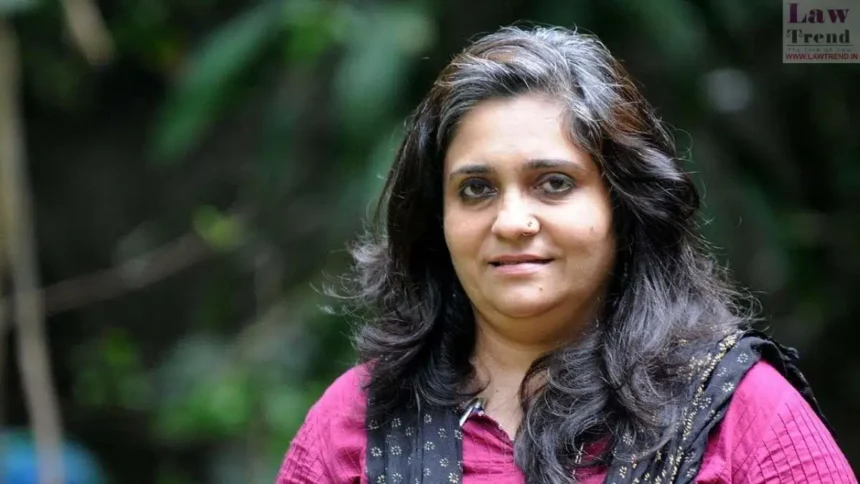
In a significant development, a sessions court in Gujarat rejected activist Teesta Setalvad’s application seeking discharge in a case related to the alleged fabrication of evidence linked to the 2002 Gujarat riots. The court’s decision, handed down by Additional Sessions Judge A R Patel, has sparked interest and raised questions about the outcome of the trial scheduled to commence on July 24.
Teesta Setalvad, a prominent activist known for her work in advocating for the rights of marginalized communities, had applied for discharge in the case, hoping to avoid a full-fledged trial. The case revolves around accusations that she manipulated evidence related to the Gujarat riots, which were marred by widespread violence and communal tensions.
However, Judge A R Patel’s ruling determined that the discharge plea lacked merit and decided to proceed with a trial to ascertain the truth behind the allegations. This has set the stage for what promises to be a high-profile legal battle.
The Gujarat government, represented by its prosecution team, vigorously opposed Setalvad’s application for discharge. They contended that she had betrayed the trust of riot victims and wrongly implicated innocent individuals in the process. This allegation has only added to the gravity of the case and the public interest it has garnered.
The 2002 Gujarat riots remain one of the darkest chapters in India’s recent history. The violence, which predominantly targeted the Muslim community, resulted in widespread loss of life, property, and a deep-seated sense of fear and insecurity among the affected population. The aftermath of the riots saw numerous individuals and organizations, including Teesta Setalvad and her NGO, Citizens for Justice and Peace (CJP), taking up the cause of seeking justice for the victims and holding the perpetrators accountable.
Teesta Setalvad’s relentless pursuit of justice has earned her both admiration and criticism. While some view her as a tireless crusader for justice and human rights, others see her as a polarizing figure who has allegedly exploited the situation for personal and political gain.
The case against Setalvad, filed by the Gujarat government, centers on allegations of tampering with evidence related to the riots. The prosecution has asserted that she manipulated witness statements and falsified evidence to build a narrative that would serve her agenda.
Throughout the legal proceedings, Setalvad has maintained her innocence, staunchly denying all charges against her. Her defense team argued that the case lacked substantial evidence to warrant a trial and requested a discharge.
The sessions court’s refusal to grant Setalvad’s discharge plea has further intensified the debate surrounding the credibility of the accusations and the extent of her involvement, if any, in the alleged evidence fabrication.
As the trial is scheduled to begin on July 24, the nation awaits the court’s verdict with bated breath. It is expected that both the prosecution and defense will present their arguments meticulously to establish their respective cases. Given the high-profile nature of the trial, it is likely to attract significant media attention and public scrutiny.
Regardless of the trial’s outcome, it is essential to remember the primary focus should remain on delivering justice to the victims of the 2002 Gujarat riots. The scars of the violence continue to haunt the survivors and their families, and the case against Teesta Setalvad holds the potential to bring closure to their long-standing quest for truth and accountability.
In the coming weeks, the trial will unfold, revealing crucial details and evidence that will play a vital role in determining the veracity of the accusations against Setalvad. Until then, the nation will watch as the legal proceedings take center stage, awaiting justice for those affected by one of India’s most harrowing incidents of communal violence.