

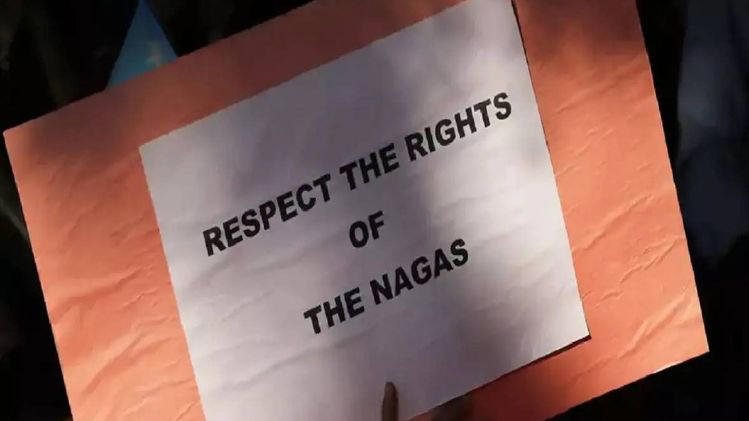
Nagaland has taken another step toward resolving the long-pending Naga peace talks. The state government recently held a high-level meeting in Kohima. Chief Minister Neiphiu Rio led the discussions, which included senior officials, tribal leaders, and legislators. The goal was clear—revive momentum and promote unity in seeking a final political solution.
For decades, the people of Nagaland have waited for peace. The Chief Minister reminded attendees that now is the time to act decisively. He stated that political will and public unity must shape the next phase of the peace journey.
Read More: Football Talent in Manipur: Hill Districts Become New Hotspot
Unified strategy for faster progress
The meeting focused on forming a collective approach. Participants agreed to send a clear message to the Centre, urging faster progress in the peace process. They emphasized that resolving the Naga peace talks cannot be delayed any longer.
The leaders encouraged the Centre to hold joint meetings with both NSCN-IM and NNPGs. These two key negotiating groups have held separate talks with the government. However, a joint dialogue could help overcome differences.
“We need to speak with one voice,” said a senior political leader. “Our unity will lead to lasting peace.”
State government pushes for urgency
Nagaland officials expressed concern about the delay in reaching a solution. They highlighted how the uncertainty has slowed development and governance. The Chief Minister assured continued support for all talks. He said the government stands ready to assist until the process concludes.
Administrative challenges in some areas also came up during the meeting. Leaders agreed that the final agreement must include clear plans for governance after the solution.
Tribal bodies and public groups take part
Civil society played a strong role in the meeting. Leaders from the Naga Hoho, ENPO, and other tribal bodies shared their views. They stressed the importance of inclusion. Everyone agreed that the final agreement should represent all Naga voices, not just a few.
“We support peace, but we must not leave anyone behind,” said a tribal leader. “An inclusive solution is the only real solution.”
The meeting praised the role of these groups in keeping public dialogue alive. Their efforts have helped maintain peace and encouraged openness in talks.
NSCN-IM and Centre must build trust
Key hurdles remain in the talks. The demand for a separate flag and constitution continues to create friction. While the 2015 Framework Agreement was a step forward, it left many questions unanswered.
The Nagaland government urged both the NSCN-IM and the Centre to rebuild trust. Flexibility on both sides could help resolve the remaining issues. Leaders encouraged patience and openness during future meetings.
“The peace deal should focus on people, not just politics,” a minister said during the event.
Read More: Dimapur Airport Eviction: Nagaland Cops Enforce Ban
Public grows restless as talks stall
Across Nagaland, many citizens feel frustrated. Young people, business owners, and academics say that the delays hurt the region’s growth. They worry that investors avoid Nagaland due to the uncertainty.
To address this, the government plans to increase outreach. Public awareness campaigns will explain where the peace process stands and what steps lie ahead. The goal is to reduce confusion and build public support.
Looking ahead
Nagaland now plans to send a formal message to the Union Home Ministry. It will request that joint talks be held with NSCN-IM and NNPGs as soon as possible. Leaders also suggested forming a council of state officials and tribal elders. This body will track the peace process and ensure transparency.
With state elections due next year, the call for peace has grown stronger. However, political leaders warned against using the peace process for electoral gain. The focus must remain on justice, not just winning votes.
Nagaland has once again demonstrated its strong commitment to peace. Through the recent meeting, the state showed leadership and unity. The path ahead remains complex but hope still exists. A final agreement, shaped by dialogue and inclusion, can finally bring closure to the long journey of the Naga peace talks.