





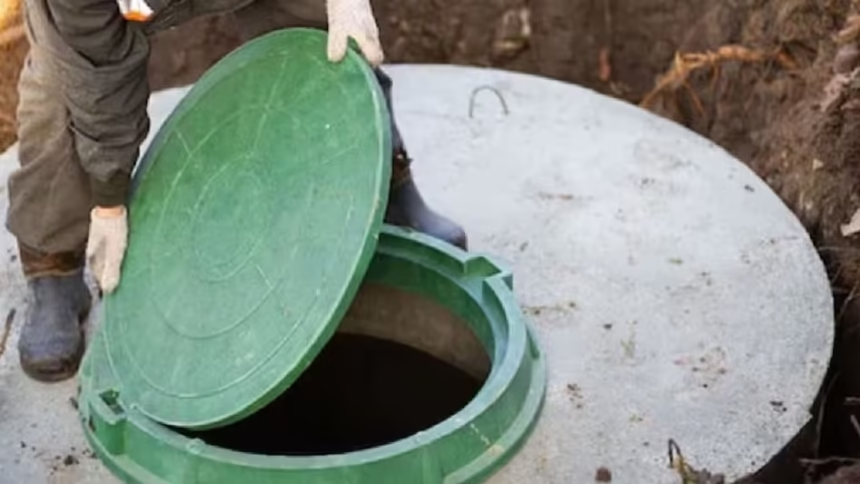
Nagaland has announced a ban on septic waste discharge in Kohima rivers to protect public health and the environment. Learn about the reasons, impact, and benefits of this powerful step.
Ban on Septic Waste Discharge in Kohima Rivers: Powerful Step for a Cleaner Nagaland
The Nagaland government has declared a ban on septic waste discharge in Kohima rivers, a powerful and timely step to combat rising water pollution in the capital city. The order reflects growing concerns about the health risks and environmental damage caused by untreated septic waste flowing directly into rivers and streams that serve as lifelines for residents.
This landmark decision is not just an administrative order—it signals Nagaland’s commitment to building a cleaner, healthier, and more sustainable future for its citizens.
Why the Ban on Septic Waste Discharge in Kohima Rivers Was Needed
Rising Water Pollution Levels
Kohima’s rivers and streams have long been suffering from unchecked waste disposal. With urbanization on the rise, septic waste from households, hotels, and commercial establishments was often being dumped directly into rivers. The ban on septic waste discharge in Kohima rivers comes in response to alarming pollution levels that posed a direct threat to public health.
Public Health Concerns
Untreated septic waste contains harmful bacteria, viruses, and chemicals. These pollutants contaminate water sources, leading to outbreaks of waterborne diseases such as cholera, typhoid, and diarrhea. By introducing this ban, authorities hope to reduce disease risk and safeguard drinking water sources.
Environmental Damage
Continuous discharge of waste not only contaminates water but also destroys aquatic ecosystems. Fish populations and river biodiversity were declining in Kohima’s rivers. The ban on septic waste discharge in Kohima rivers is aimed at reversing this damage and reviving aquatic life.
Government’s Announcement and Enforcement
The Official Order
Nagaland’s Urban Development and Municipal Affairs Department announced the ban on septic waste discharge in Kohima rivers through an official notification. It mandates that no private or commercial operator can dump untreated waste into rivers.
Alternative Disposal Methods
Authorities have directed waste management operators to use designated sewage treatment facilities. Households and hotels are now required to connect septic systems to proper treatment infrastructure.
Penalties for Violators
Strict penalties, including fines and possible cancellation of licenses, will be imposed on those caught violating the ban. The government emphasized that enforcement would be rigorous to ensure compliance.
The Importance of Kohima’s Rivers
Source of Drinking Water
Several rivers and streams in Kohima serve as primary sources of drinking water for thousands of residents. The ban on septic waste discharge in Kohima rivers ensures cleaner and safer water supply.
Cultural and Community Value
Rivers in Nagaland are not just water bodies—they carry cultural and community significance. Protecting them strengthens the connection between people and nature.
Impact of the Ban on Residents
Cleaner Water, Healthier Communities
With the ban on septic waste discharge in Kohima rivers, residents can expect improved water quality. This reduces the risk of waterborne diseases and ensures healthier living conditions.
Economic Benefits
Cleaner rivers can also boost eco-tourism and reduce medical expenses for families previously affected by polluted water.
Challenges in Transition
While the order is positive, some residents worry about the cost of connecting septic systems to treatment facilities. The government has promised subsidies and assistance programs.
Expert Opinions on the Ban on Septic Waste Discharge in Kohima Rivers
Environmental experts and activists have welcomed the decision.
- An environmental activist: “The ban on septic waste discharge in Kohima rivers is long overdue. Our rivers were dying, and now there’s hope for revival.”
- A public health doctor: “We expect a reduction in waterborne disease cases once this ban is implemented effectively.”
Community Response and Participation
Local Support
Many residents expressed relief and optimism. Social media saw hashtags trending in support of the ban on septic waste discharge in Kohima rivers.
Calls for Vigilance
Community leaders emphasized the importance of citizens reporting violations to ensure strict enforcement.
Global Perspective – How Other Cities Handle Septic Waste
Cities around the world face similar issues. In countries like Singapore and Japan, strict laws and advanced treatment facilities prevent waste from entering rivers. Nagaland’s step mirrors these global best practices.
The ban on septic waste discharge in Kohima rivers positions Kohima alongside progressive cities that prioritize sustainability.
Challenges Ahead for Nagaland
Infrastructure Gaps
Currently, Kohima has limited sewage treatment capacity. Expanding this infrastructure will be essential for the success of the ban.
Public Awareness
Many residents are still unaware of the dangers of septic waste discharge. Awareness campaigns will be needed to build cooperation.
Financial Costs
Upgrading septic systems and expanding sewage plants will require significant investment. The government has sought central assistance to fund these projects.
Long-Term Benefits of the Ban
Sustainable Urban Growth
The ban on septic waste discharge in Kohima rivers is part of a broader push toward sustainable urban development. Cleaner rivers support healthier communities and resilient cities.
Revived Ecosystems
With reduced pollution, aquatic ecosystems will regenerate, restoring biodiversity in local rivers.
Role Model for Other States
Nagaland can serve as a model for other northeastern states facing similar challenges.
Voices from the Ground – Human Stories
- A Kohima shopkeeper: “I’ve seen the river turn black over the years. This ban gives me hope my children will see it clean again.”
- A student activist: “This is not just about waste, it’s about dignity and health. Clean rivers mean a better future.”
These stories highlight the human impact behind the ban on septic waste discharge in Kohima rivers.
Social Media Reactions
Residents celebrated the news with positive comments:
- “Finally, action is being taken against polluters.”
- “This is a bold move that will change Kohima for the better.”
Some also voiced concerns about affordability and infrastructure readiness.