


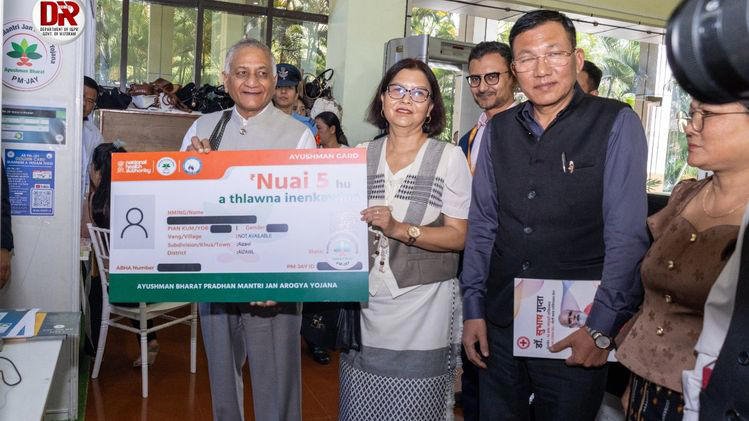
The Mizoram women’s health campaigns began with Governor Kambhampati Hari Babu announcing a state-level drive to improve health and nutrition for women. The campaign aims to strengthen maternal care, provide awareness on balanced diets, and improve access to healthcare facilities. With community participation at its core, the initiative hopes to transform health outcomes for women in both rural and urban areas.
Read More: Nagaland CM Launches ELEMENT Project to Restore Forests
Prioritizing maternal and child health
Governor Hari Babu stressed that women’s health requires urgent attention. Many women continue to sacrifice their well-being while managing family responsibilities. To change this, the Mizoram women’s health campaigns will ensure regular health check-ups, nutritional counseling, and distribution of supplements.
The campaign targets pregnant women and lactating mothers with iron, calcium, and vitamins to reduce anemia and malnutrition. Health workers will actively track their progress, ensuring consistent care. With these measures, the state hopes to reduce preventable health risks for both mothers and children.
Building nutrition awareness at community level
Nutrition remains central to the campaign. Families in Mizoram often rely heavily on rice while ignoring dietary diversity. Therefore, the government has placed strong focus on nutrition education. Communities will learn about including vegetables, fruits, pulses, and protein-rich foods in daily meals.
Self-help groups will organize nutrition fairs and demonstrate healthy recipes using local produce. Community kitchens will showcase how traditional food can combine with modern nutrition advice. This approach will make balanced diets both affordable and practical.
Engaging women’s groups in health awareness
The Mizoram women’s health campaigns place women at the heart of implementation. Women’s groups and local volunteers will lead awareness programs across villages. They will spread information about menstrual health, personal hygiene, and family planning.
The Governor explained that empowering women with health knowledge creates long-term social impact. Volunteers will also guide families toward government schemes that provide free or subsidized medicines, sanitary products, and nutrition kits. By combining grassroots action with official support, the campaign aims for stronger results.
Upgrading healthcare facilities for women
Improved infrastructure forms another key focus. The government is strengthening primary health centers and recruiting more medical staff. Special medical camps will deliver gynecological care, screenings, and counseling sessions in rural areas.
To bridge distance barriers, telemedicine will expand in villages. Women can now consult doctors online instead of traveling long distances. This step reduces both costs and delays while giving rural communities better access to healthcare.
Addressing lifestyle diseases among women
The Governor highlighted rising cases of lifestyle-related diseases such as diabetes, obesity, and hypertension among women. The campaign will promote exercise, yoga, and balanced diets as preventive measures. Schools, colleges, and community halls will host fitness and awareness drives.
Mental health will also be addressed. Stress management sessions and counseling will encourage women to seek timely help. By focusing on preventive healthcare, the campaign aims to reduce hospital admissions and promote healthier lifestyles.
Involving schools and colleges in campaigns
Educational institutions will play a vital role in spreading awareness. Teachers will integrate health messages into their lessons, while students will organize poster-making, debates, and outreach drives. By encouraging participation, schools will help instill healthy habits in younger generations.
Governor Hari Babu said that when children understand the importance of health and hygiene early, they become change-makers in their families. This chain reaction will strengthen the campaign’s long-term impact.
Partnership with national schemes
The Mizoram women’s health campaigns align with central programs like Poshan Abhiyaan and Ayushman Bharat. By linking with these schemes, the state ensures stronger financial support and technical expertise.
Officials confirmed that existing maternal and child health programs will integrate with the campaign to avoid duplication. Collaboration with central ministries also ensures access to advanced healthcare tools and training.
Role of self-help groups and NGOs
Self-help groups, supported by NGOs, will work closely with the government. They will monitor implementation and train women in practices like waste recycling, home gardening, and nutrition planning. These organizations will also support women in rural areas who often face barriers in reaching formal health systems.
By combining official efforts with community initiatives, the campaign increases its chances of success. Women leaders at the grassroots level will act as role models, encouraging more households to adopt healthier practices.
Community response and expectations
Communities across Mizoram have welcomed the launch. Women’s organizations believe the campaign will bring real change if implemented consistently. Many groups requested additional support for clean drinking water and sanitation facilities, as these remain essential for women’s health.
Observers see the initiative as an example for other northeastern states. The combination of maternal care, nutrition awareness, and preventive healthcare creates a holistic approach that addresses multiple challenges at once.
Read More: iOS 26 Update and iPhone Battery Life: What Apple Says