




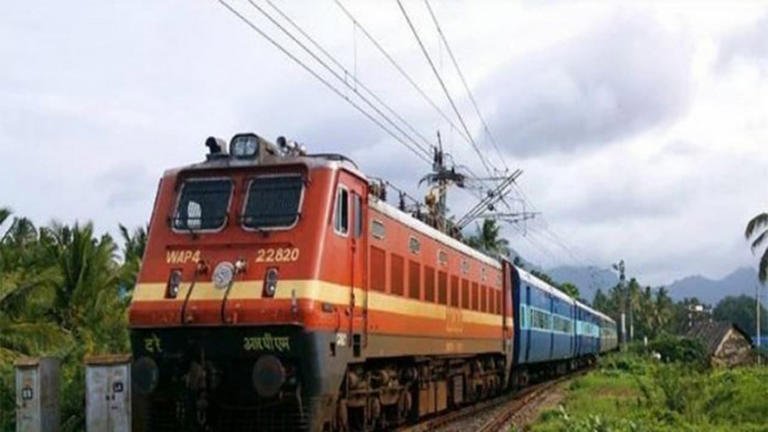
Mizoram has achieved a significant milestone in its transport and food supply system with the arrival of the first-ever food train dispatched by the Food Corporation of India (FCI). The train, carrying essential food grains, marks a major step toward improving logistics and rail connectivity in the northeastern state.
The Mizoram FCI food train represents an important development for the region’s supply chain. For many years, food grains were transported to Mizoram primarily by road, which often involved long travel times and logistical challenges.
With the introduction of rail-based transportation, authorities expect faster and more efficient delivery of essential food supplies to the state.
Read More: PM Modi Inaugurates 11th Raisina Dialogue with Finnish President Alexander Stubb
First FCI Food Train Reaches Mizoram
The historic consignment was transported through the railway network developed under the Northeast connectivity initiatives. Officials from the Food Corporation of India confirmed that the food train carried a large quantity of rice and other essential grains meant for distribution under government welfare schemes.
The Mizoram FCI food train arrived at the railway facility connected to the state’s transport network, marking the first time food grains were delivered through rail logistics to the region.
Officials described the event as a major milestone in improving the supply chain of essential commodities.
For residents of Mizoram, the new rail-based supply system promises more reliable access to food grains distributed through the public distribution system.
Strengthening Food Supply in the State
The arrival of the Mizoram FCI food train is expected to significantly strengthen the state’s food security framework. Food grains transported by the Food Corporation of India are used to support various welfare programmes, including the public distribution system.
These programmes ensure that subsidised food grains reach families across the state.
Earlier, transporting food grains through road networks often required several days because of difficult terrain and long distances. The introduction of railway logistics will reduce transportation time and improve efficiency.
Officials said the rail-based supply system will help maintain consistent stock levels in government warehouses across Mizoram.
Boost to Northeast Rail Connectivity
The Mizoram FCI food train also highlights the broader efforts to improve railway connectivity in Northeast India. Over the past decade, the government has prioritised expanding railway infrastructure in the region.
Projects aimed at connecting remote states to the national railway network have gained momentum in recent years.
The arrival of the first food train demonstrates the practical benefits of these infrastructure investments. Improved connectivity allows goods to move faster and more efficiently between states.
For Mizoram, the development represents a step forward in integrating the state more closely with national transport networks.
Reduced Transportation Costs and Time
One of the major advantages of rail transport is its ability to move large quantities of goods efficiently. The Mizoram FCI food train is expected to reduce transportation costs compared to road-based delivery.
Rail transport also allows larger volumes of food grains to be moved in a single shipment.
As a result, authorities anticipate improved efficiency in maintaining food grain reserves across the state.
Reduced travel time will also help prevent delays that sometimes occur due to weather conditions or road congestion.
These improvements will contribute to a more reliable supply chain for essential commodities.
Supporting Public Distribution System
The food grains transported through the Mizoram FCI food train will be distributed through the public distribution system operated by the state government.
The public distribution system ensures that essential commodities such as rice and wheat reach eligible families at subsidised rates.
By improving the efficiency of food grain transportation, the new rail-based supply route will help strengthen the functioning of these welfare programmes.
Officials said that consistent supply of food grains remains crucial for supporting vulnerable communities and ensuring food security.
The introduction of railway logistics therefore represents a major improvement in the distribution network.
Collaboration Between Agencies
The successful movement of the Mizoram FCI food train involved coordination between multiple government agencies.
The Food Corporation of India worked closely with railway authorities and state officials to ensure the smooth delivery of the food grains.
Logistics teams managed loading, transportation, and unloading operations to ensure that the food supplies reached their destination safely.
Officials emphasised that such coordination will remain important as rail-based transportation becomes a regular part of the state’s supply system.
The success of the first train could pave the way for more shipments in the future.
Economic and Development Benefits
Improved rail connectivity can bring several long-term benefits for Mizoram’s economy. Efficient transport systems help reduce costs for goods movement and encourage trade with other regions.
The Mizoram FCI food train is therefore seen not only as a logistical achievement but also as a step toward broader economic development.
Better connectivity can support local industries, facilitate trade, and improve access to markets.
Infrastructure improvements in transport often contribute to regional growth by making it easier for businesses to operate and expand.
Positive Response from Officials
Officials from both central and state governments welcomed the arrival of the first food train. They described the development as an example of how infrastructure investments can directly benefit citizens.
The Mizoram FCI food train demonstrates how improved logistics can enhance the efficiency of government welfare programmes.
Authorities expressed confidence that the rail-based supply system will help strengthen food distribution and reduce logistical challenges in the future.
The successful operation also reflects the growing importance of railway infrastructure in the Northeast region.
Looking Ahead
The arrival of the Mizoram FCI food train marks a new chapter in the state’s transport and logistics network. With improved rail connectivity, authorities expect smoother and faster movement of essential commodities.
The development also highlights the broader transformation taking place in Northeast India’s infrastructure landscape.
As railway projects continue to expand across the region, states like Mizoram will benefit from improved connectivity and stronger economic integration.
For the residents of Mizoram, the first FCI food train represents more than just a logistical milestone. It symbolises progress toward better infrastructure, reliable food supply, and greater regional connectivity.
Read More: BJP Launches TTAADC Campaign with Mega Rally in Khumulwng