





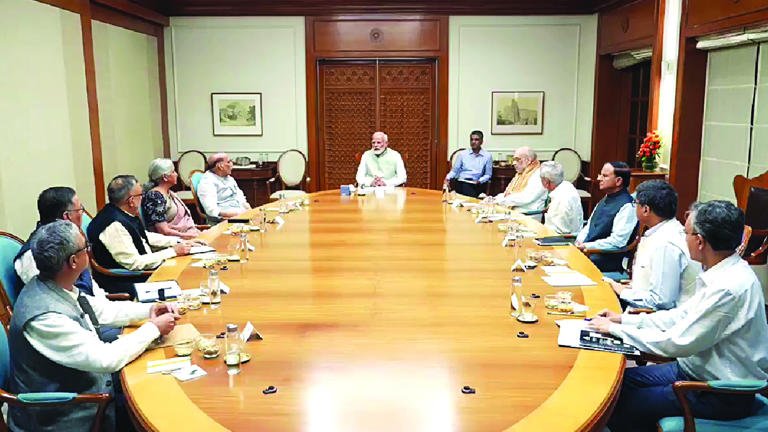
Prime Minister Narendra Modi chaired a high-level meeting of the Cabinet Committee on Security (CCS) to assess India’s preparedness and response strategy amid the evolving crisis in West Asia. The CCS meeting West Asia crisis discussion focused on national security, energy stability, and the safety of Indian nationals in the region.
Read More: Tipra Motha Acting Like Opposition Despite Cabinet Role: Manik Saha
High-Level Security Review by CCS
The Cabinet Committee on Security, India’s apex body for national security decisions, convened to evaluate the current situation in West Asia. Senior officials from key ministries, including defence, external affairs, and home affairs, attended the meeting.
During the CCS meeting West Asia crisis review, officials presented detailed briefings on the geopolitical developments and their potential impact on India. The Prime Minister emphasized the need for constant monitoring and proactive measures.
The meeting highlighted the importance of coordination between various agencies to ensure a comprehensive response.
Focus on Safety of Indian Nationals
One of the primary concerns discussed during the meeting was the safety of Indian citizens residing in West Asia. A large number of Indians live and work in the region, making their security a top priority.
Officials reviewed contingency plans for evacuation if the situation escalates. The government has been maintaining close contact with Indian embassies and missions in affected countries.
The CCS meeting West Asia crisis agenda included ensuring that all necessary arrangements are in place to assist citizens in case of emergencies.
Energy Security and Economic Impact
West Asia plays a crucial role in India’s energy imports, particularly crude oil. Any disruption in the region can have significant implications for India’s energy security and economy.
The CCS reviewed the availability of strategic reserves and alternative supply options. Officials discussed measures to mitigate the impact of potential disruptions in oil supply.
Prime Minister Modi stressed the importance of maintaining stability in energy supply chains. The government is exploring diversified sourcing strategies to reduce dependency on any single region.
Diplomatic Engagement and Strategic Response
India’s diplomatic approach to the West Asia crisis was also a key focus of the meeting. The government is engaging with multiple countries to promote stability and de-escalation.
Officials from the Ministry of External Affairs provided updates on ongoing diplomatic efforts. India has been advocating for peaceful resolution and dialogue among conflicting parties.
The CCS meeting West Asia crisis discussions underscored the importance of maintaining balanced relations with all stakeholders in the region.
Strengthening National Security Preparedness
The CCS also reviewed internal security measures to ensure preparedness against any spillover effects of the crisis. Intelligence agencies have been put on alert to monitor developments closely.
Security forces have been instructed to remain vigilant, particularly in sensitive areas. The government is taking steps to enhance surveillance and coordination among security agencies.
Prime Minister Modi emphasized that preparedness is key to handling any potential challenges arising from the situation.
Coordination Between Ministries
Effective coordination between different ministries and agencies was highlighted as a critical factor. The CCS meeting brought together representatives from various departments to ensure a unified approach.
Regular updates and inter-agency communication will be maintained to respond swiftly to any changes in the situation. This coordinated effort is essential for managing complex geopolitical challenges.
The CCS meeting West Asia crisis review demonstrated the government’s commitment to a whole-of-government approach.
Global Implications and India’s Position
The crisis in West Asia has broader global implications, affecting trade, energy markets, and geopolitical stability. India, as a major global player, is closely monitoring these developments.
The CCS discussed India’s position on the global stage and its role in promoting peace and stability. The government aims to balance its national interests with its commitment to international cooperation.
India’s response strategy reflects its growing influence in global affairs.
Challenges Ahead
Despite proactive measures, challenges remain in navigating the complexities of the West Asia crisis. Unpredictable developments and shifting alliances can impact India’s interests.
The CCS acknowledged these challenges and stressed the need for flexibility in response strategies. Continuous assessment and adaptation will be crucial in addressing evolving situations.
The CCS meeting West Asia crisis deliberations highlighted the importance of preparedness and resilience.
Government’s Commitment to Stability
The government has reiterated its commitment to safeguarding national interests and ensuring the well-being of its citizens. Prime Minister Modi’s leadership in convening the CCS meeting reflects the seriousness of the situation.
Officials have been directed to remain vigilant and responsive. The government is prepared to take necessary steps to address any emerging challenges.
Conclusion
The CCS meeting chaired by Prime Minister Narendra Modi on the West Asia crisis underscores India’s proactive approach to national security and global developments. By focusing on citizen safety, energy security, and diplomatic engagement, the government aims to navigate the challenges effectively.
The CCS meeting West Asia crisis discussions highlight the importance of coordinated action and strategic planning. As the situation evolves, India’s response will continue to be guided by its commitment to stability, security, and international cooperation.
Read More: Assam Celebrates Rongali Bihu Amid Intense Election Campaigns