





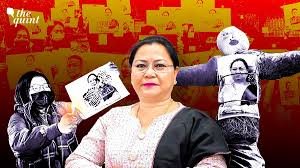
The Manipur first woman deputy CM milestone marks a historic moment with Namcha Kipken’s appointment. She becomes the first Kuki Zo woman to hold the position. The Manipur first woman deputy CM development highlights progress in representation. Leaders now emphasize inclusive governance and equality.
Manipur First Woman Deputy CM Creates History
The Manipur first woman deputy CM milestone has set a new precedent in the state’s political landscape. Namcha Kipken has taken charge as Deputy Chief Minister, becoming the first woman from the Kuki Zo community to hold the position. This achievement reflects a significant step toward inclusive leadership.
Officials confirmed the appointment during a formal ceremony. Consequently, the development has attracted widespread attention across political and social circles. The milestone represents progress in gender representation within governance.
Namcha Kipken’s Appointment Signals Change
The Manipur first woman deputy CM appointment signals a shift toward broader representation in leadership roles. Namcha Kipken brings experience and a strong political background to the position. Her leadership is expected to contribute to policy development and governance.
Moreover, her appointment highlights the importance of diversity in decision-making. Authorities have emphasized that inclusive leadership strengthens democratic systems. As a result, the move has been widely recognized as a positive step.
Representation of Kuki Zo Community
The Manipur first woman deputy CM milestone also holds importance for the Kuki Zo community. It ensures representation at a high level of governance. This inclusion can help address community-specific concerns more effectively.
Additionally, the appointment fosters a sense of participation among underrepresented groups. It encourages greater engagement in political processes. Therefore, the development supports balanced representation.
Impact on Women’s Leadership
The Manipur first woman deputy CM achievement serves as an inspiration for women aspiring to leadership roles. It demonstrates that opportunities for women in politics continue to expand. The milestone reinforces the importance of gender equality in governance.
Furthermore, it encourages institutions to promote women’s participation. This progress can lead to more inclusive policies and decision-making. Consequently, the appointment has broader social significance.
Political Reactions and Public Response
The Manipur first woman deputy CM announcement has received positive reactions from various quarters. Supporters have welcomed the move as a step toward inclusive governance. Community leaders have also expressed appreciation for the recognition.
At the same time, political observers have highlighted its long-term implications. They believe that such milestones can influence future leadership trends. Therefore, the development has sparked meaningful discussions.
Governance Priorities Ahead
The Manipur first woman deputy CM will play a key role in shaping governance priorities. Authorities expect focus on development, social welfare, and community engagement. Collaboration with other leaders will remain essential for effective administration.
Manipur New Leadership Era: Yamnam Kimchan Singh Sworn In as Chief Minister
Moreover, the leadership aims to ensure transparency and accountability. This approach will help build trust among citizens. As a result, the administration looks forward to stable governance.
Conclusion
The Manipur first woman deputy CM milestone marks a historic achievement with Namcha Kipken’s appointment. It highlights progress in representation, gender equality, and inclusive governance. As the state moves forward, this development sets an example for future leadership. The milestone underscores the importance of diversity in shaping strong governance systems.
Meghalaya Wetland Conservation Push: Ramsar Status Demand Gains Urgency
FAQs
1. Who is the Manipur first woman deputy CM?
Namcha Kipken has been appointed as the first woman Deputy Chief Minister in Manipur.
2. Why is this appointment significant?
It marks a historic milestone in gender representation and inclusion in governance.
3. Which community does she represent?
She represents the Kuki Zo community.
4. How does this impact women’s leadership?
It encourages greater participation of women in politics and leadership roles.
5. What are the expectations from her role?
She is expected to focus on development, inclusive policies, and effective governance.