


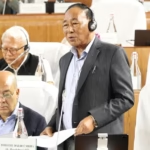


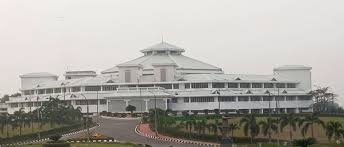
Tripura assembly special session highlights an important political development as the state prepares for a one-day sitting on April 30 to pass key legislation and address urgent governance matters.
The Tripura Legislative Assembly has scheduled a special one-day session on April 30, drawing attention across political and public spheres. This move signals the government’s intent to fast-track crucial legislative decisions. Moreover, such sessions usually focus on urgent matters that require immediate approval. Therefore, the announcement has already sparked interest among political observers and citizens alike.
Purpose of the Special Session
The primary aim of the session revolves around passing key legislation. Governments often call special sittings when regular sessions cannot accommodate urgent bills. Consequently, this approach ensures that essential policies do not face unnecessary delays.
Additionally, the session allows lawmakers to concentrate solely on specific issues. This focused approach increases efficiency and helps streamline the legislative process. As a result, the government can address time-sensitive matters effectively.
Why April 30 Holds Importance
The chosen date indicates urgency in legislative planning. Authorities have carefully scheduled the session to align with administrative priorities. Furthermore, timing plays a critical role in policy implementation, especially when decisions impact governance frameworks.
At the same time, the one-day format suggests a well-prepared agenda. Lawmakers will likely discuss pre-drafted bills and move quickly toward approval. Therefore, the session could deliver swift outcomes.
Key Legislation in Focus
Although officials have not disclosed complete details, the session will likely address important policy measures. These could include financial decisions, administrative reforms, or development-related initiatives.
Moreover, such sessions often involve bills that require immediate attention due to deadlines or public interest. Consequently, the outcome of the meeting may influence multiple sectors within the state.
Role of the Legislative Assembly
The Tripura Legislative Assembly serves as the backbone of the state’s democratic structure. It debates, amends, and passes laws that guide governance. Therefore, every session carries significant weight in shaping policies.
In addition, lawmakers represent the interests of their constituencies. Their participation ensures that diverse perspectives contribute to decision-making. As a result, the assembly remains central to democratic accountability.
Political Reactions and Expectations
Political leaders across parties have shown keen interest in the upcoming session. While the ruling side aims to ensure smooth passage of bills, opposition members may raise questions or demand clarifications.
However, both sides understand the importance of addressing urgent legislative needs. Therefore, the session may witness constructive debates alongside political differences.
Impact on Governance and Development
The decisions taken during the session will directly influence governance in Tripura. Effective legislation can improve administrative efficiency and support development initiatives.
Moreover, timely approvals help avoid delays in implementing projects. Consequently, citizens may experience faster benefits from government policies.
Preparations for the Session
Authorities have started preparations to ensure a smooth and orderly proceeding. Officials will manage logistics, security, and procedural arrangements. Additionally, lawmakers will review documents and finalize their positions before the session begins.
This preparation phase plays a crucial role in ensuring productive discussions. Therefore, both administrative and political teams remain actively involved.
What Happens After the Session
Once the assembly passes the proposed legislation, the government will move toward implementation. Departments will begin executing policies, and administrative processes will follow.
Furthermore, the outcomes may set the tone for future governance strategies. Therefore, the session acts as a stepping stone for upcoming initiatives.
Shocking Women Reservation Row Tripura Sparks Political Clash
Broader Significance for Tripura
The special session reflects the dynamic nature of governance in the state. It shows how authorities adapt to urgent needs and respond with timely action.
Additionally, such developments reinforce the importance of legislative institutions in maintaining democratic processes. Citizens benefit when leaders take decisive steps to address pressing issues.
FAQs
1. What is the Tripura assembly special session about?
It is a one-day sitting scheduled for April 30 to pass important legislation.
2. Why is the session being held?
The government aims to address urgent legislative matters that require immediate approval.
3. What type of bills may be discussed?
The session may include financial, administrative, or development-related bills.
4. Who participates in the session?
All elected members of the Tripura Legislative Assembly take part in the proceedings.
5. What happens after laws are passed?
Government departments begin implementing the approved policies and initiatives.