



Manipur peace talks meeting developments attracted major national attention after senior government representatives and regional stakeholders convened a high-level discussion aimed at restoring stability and rebuilding public confidence across conflict-affected areas of the state. Meanwhile, officials stated that the meeting focused on law-and-order coordination, community engagement, humanitarian concerns, and long-term peace-building measures amid continuing tensions in several districts. The latest initiative immediately intensified political and public interest because Manipur has remained under intense administrative and security scrutiny following prolonged ethnic unrest and displacement. Additionally, security agencies and civil authorities reportedly strengthened coordination efforts surrounding the dialogue process.
The development emerged amid continuing demands from community groups, political organizations, and humanitarian agencies seeking durable peace mechanisms and institutional trust-building measures. Furthermore, policy experts noted that sustained dialogue and coordinated governance remain critical for stabilizing sensitive conflict regions.
Meghalaya Tourism Surge Draws Record Visitors
Assam Flood Alert as Brahmaputra Water Rises
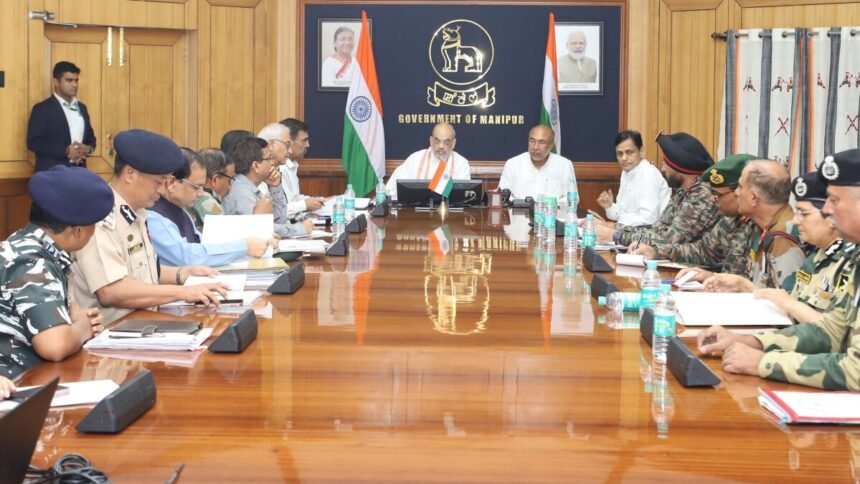
High-Level Delegations Participate in Key Discussion
Senior administrative officials, security representatives, and regional stakeholders reportedly participated in the latest peace-oriented consultation process. Manipur peace talks meeting discussions therefore became a major focus of political and governance attention across Northeast India.
Meanwhile, officials explained that the dialogue included discussions regarding public safety, rehabilitation priorities, inter-community confidence building, and institutional coordination. Additionally, participants reportedly examined strategies aimed at reducing tensions and strengthening communication between affected groups.
Government representatives emphasized that maintaining peace and restoring normalcy remain top administrative priorities within the state. Furthermore, authorities highlighted the importance of inclusive consultation processes involving multiple stakeholders and community representatives.
Earlier, several organizations repeatedly urged authorities to intensify mediation efforts and accelerate conflict-resolution initiatives. Consequently, the latest meeting generated cautious optimism among residents and civil society groups.
At the same time, officials avoided disclosing detailed operational discussions because of the sensitivity surrounding ongoing negotiations and security assessments.
Regional Stability Remains Central Concern
The meeting occurred against the backdrop of continuing concern regarding law-and-order conditions and humanitarian challenges in Manipur. Manipur peace talks meeting priorities therefore focused heavily on long-term regional stability and conflict prevention.
Meanwhile, analysts observed that recurring unrest and displacement significantly affected daily life, economic activity, and public administration across several parts of the state. Additionally, local communities continued demanding stronger security assurance and rehabilitation support for displaced families.
Security experts stated that sustainable peace efforts require both administrative coordination and grassroots trust-building among affected groups. Furthermore, humanitarian agencies emphasized the importance of restoring normal social and economic conditions in disrupted areas.
Several governance researchers noted that prolonged instability frequently weakens public confidence in institutions and civic systems. Consequently, authorities increasingly prioritized confidence-building initiatives alongside security management strategies.
However, observers cautioned that durable peace processes often require sustained dialogue rather than isolated meetings alone.
Community Organizations Call for Inclusive Dialogue
Civil society groups and community organizations closely monitored the latest discussions regarding peace restoration efforts. Manipur peace talks meeting developments therefore generated strong reactions from local advocacy networks and humanitarian stakeholders.
Meanwhile, several community representatives stressed the importance of ensuring broad-based participation during future dialogue initiatives. Additionally, organizations emphasized that meaningful peace-building requires representation from affected populations, tribal bodies, and local leadership structures.
Human rights advocates highlighted concerns regarding displacement, livelihood disruption, and psychological trauma caused by prolonged instability. Furthermore, social organizations encouraged authorities to strengthen rehabilitation and reconciliation programs alongside security operations.
Several peace researchers observed that inclusive dialogue frameworks often improve the credibility and effectiveness of conflict-resolution efforts. Consequently, calls intensified for transparent engagement mechanisms involving diverse social and community groups.
At the same time, residents in sensitive districts expressed cautious hope regarding potential reduction in tensions and violence.
Security Coordination Continues Across Sensitive Areas
Authorities reportedly maintained heightened security coordination during and after the high-level discussions. Manipur peace talks meeting developments therefore remained closely connected with ongoing law-enforcement and stabilization operations.
Meanwhile, officials confirmed that security agencies continue monitoring sensitive locations and maintaining deployment in vulnerable districts to prevent further escalation. Additionally, intelligence and administrative units reportedly intensified coordination regarding public safety and movement monitoring.
Security analysts explained that peace negotiations in conflict-prone regions frequently require parallel stabilization measures to maintain operational control and prevent sudden disruptions. Furthermore, authorities emphasized the importance of balancing security enforcement with public confidence-building efforts.
Several governance experts noted that effective peace-building often depends on consistent communication between civil authorities, law-enforcement agencies, and local communities. Consequently, institutional coordination remained a key component of the broader stabilization strategy.
At the same time, humanitarian organizations urged all sides to prioritize civilian protection and uninterrupted access to relief support.
Political Attention Intensifies Around Peace Process
The latest meeting also intensified political attention surrounding the handling of the Manipur situation at both regional and national levels. Manipur peace talks meeting discussions therefore expanded into broader debates involving governance accountability and conflict management.
Meanwhile, political leaders across different parties continued expressing concern regarding the humanitarian and security implications of prolonged unrest. Additionally, several representatives called for stronger administrative transparency and accelerated rehabilitation measures for affected populations.
Policy observers stated that political consensus and sustained institutional commitment remain important for supporting long-term peace initiatives. Furthermore, analysts noted that public expectations regarding peace restoration continue growing as communities seek stability and normalcy.
Several commentators also emphasized that rebuilding trust among affected groups may require careful political messaging and responsible leadership engagement. Consequently, the peace process increasingly became a major issue within wider national political discourse.
However, experts warned that politicization of sensitive negotiations could complicate reconciliation efforts if not handled cautiously.
Future Dialogue and Rehabilitation Measures Expected
Authorities indicated that additional consultations and administrative initiatives may follow the latest meeting. Manipur peace talks meeting outcomes therefore could shape future peace-building and rehabilitation frameworks across the state.
Meanwhile, officials reportedly continued evaluating proposals involving community outreach, rehabilitation support, infrastructure restoration, and institutional coordination. Additionally, observers expected further engagement with local organizations and affected communities during subsequent phases of dialogue.
Development experts highlighted the importance of restoring education, healthcare access, economic activity, and public services in conflict-affected regions. Furthermore, peace specialists recommended sustained monitoring mechanisms to evaluate progress and reduce future instability risks.
Several humanitarian analysts noted that successful post-conflict recovery often depends on long-term commitment involving governance reform, reconciliation, and inclusive development planning. Consequently, expectations remained high regarding future administrative actions following the latest consultations.
At the same time, citizens across Manipur continued closely watching developments surrounding the evolving peace process.
Conclusion
Manipur peace talks meeting discussions generated widespread attention after senior officials and regional stakeholders convened high-level consultations focused on restoring stability and rebuilding public confidence across conflict-affected areas. Meanwhile, authorities emphasized law-and-order coordination, humanitarian concerns, and long-term peace-building measures during the discussions. Community organizations and political observers stressed the importance of inclusive dialogue, rehabilitation efforts, and sustained institutional engagement for achieving durable peace. Ultimately, experts believe the effectiveness of the ongoing process may depend on continuous communication, public trust-building, and coordinated governance action across Manipur.
FAQs
Why was the high-level meeting held in Manipur?
The meeting focused on restoring stability, improving coordination, and advancing peace-building efforts.
What issues were discussed during the talks?
Officials discussed security, rehabilitation, community engagement, and long-term regional stability.
Why are the Manipur peace talks important?
The discussions aim to reduce tensions and restore public confidence after prolonged unrest.
Did community organizations react to the meeting?
Yes, several groups called for inclusive dialogue and stronger rehabilitation measures.
Are security operations continuing in Manipur?
Authorities confirmed that security deployment and coordination remain active in sensitive districts.
Could more peace discussions take place later?
Officials indicated that additional consultations and rehabilitation initiatives may follow.