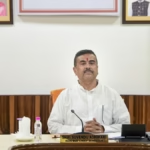



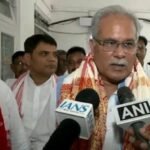


Abhishek Banerjee Resolute in his latest political remarks as the Trinamool Congress leader declared that his party would continue its political struggle despite notices issued by central agencies and what he described as attempts at intimidation. The statement drew immediate political attention and intensified discussion around the relationship between opposition parties and investigative institutions.
Manipur Peace Dialogue Gains Fresh Administrative Focus
Manipur Solar Expansion Marks Major Energy Shift
TMC Leadership Reaffirms Political Position
The Trinamool Congress leadership used the latest comments to underline its position on political engagement and opposition activity. However, party leaders maintained that legal and administrative developments would not alter their political agenda.
Meanwhile, Abhishek Banerjee emphasized that political work and public outreach would continue regardless of institutional pressure. Party representatives echoed the message and argued that democratic participation should remain the central focus of electoral politics.
Additionally, TMC leaders stated that organizational activity across districts would proceed according to planned schedules. They framed the response as part of a broader commitment to political continuity.
Central Agency Debate Returns To Spotlight
Political discussion intensified because central investigative agencies have remained a recurring point of debate in recent years. Consequently, comments from opposition leaders often trigger wider conversations on institutional independence and political accountability.
At the same time, leaders from multiple opposition parties have previously raised concerns regarding investigative action and timing. However, ruling party representatives have repeatedly rejected such allegations and stated that agencies operate under legal frameworks.
Notably, the issue continues to influence public debate beyond individual cases. Political observers suggested that narratives surrounding institutions often become central themes during election cycles.
Opposition Messaging After Recent Developments
Abhishek Banerjee Resolute as he dismissed the impact of notices and projected confidence in continued political engagement. Furthermore, party officials stated that electoral politics should remain focused on public issues rather than legal disputes.
Meanwhile, political analysts noted that opposition parties frequently use such moments to strengthen internal unity and reinforce messaging among supporters. Several commentators argued that public positioning after institutional action often becomes part of broader campaign narratives.
Despite this, political reactions remained divided. Supporters interpreted the statement as a demonstration of political confidence, while critics questioned the framing of institutional processes.
BJP And Political Counterarguments
Leaders from the Bharatiya Janata Party responded by defending the functioning of investigative institutions. Additionally, party spokespersons argued that legal procedures should proceed independently of political interpretation.
BJP representatives maintained that public office holders and political figures remain accountable under existing laws. Consequently, they rejected allegations that investigative action reflects political targeting.
However, the exchange further widened the political debate and generated extensive discussion across national and regional platforms.
Political Context And TMC Strategy
The Trinamool Congress has frequently positioned itself as a regional force with a strong opposition identity. Earlier political campaigns emphasized governance, federal balance, social programs, and administrative autonomy.
Meanwhile, Abhishek Banerjee has continued to play a visible organizational role within the party structure. Party workers described ongoing outreach efforts as central to maintaining public engagement.
Additionally, observers noted that political messaging after periods of scrutiny often aims to preserve momentum and reinforce leadership credibility.
Public Reaction And Organizational Outlook
Abhishek Banerjee Resolute became a widely discussed political message as supporters and critics responded to the remarks. Furthermore, party organizers highlighted continued grassroots engagement and district-level coordination.
Several political observers suggested that such statements seek to reassure cadres during periods of heightened political attention. At the same time, public reaction remained mixed depending on political alignment and regional context.
Moreover, the development renewed conversations around political communication strategies and institutional trust.
What This Means For Future Politics
The latest remarks may influence how parties frame future political campaigns and public narratives. Meanwhile, attention will remain focused on developments involving political institutions and electoral positioning.
Political analysts believe public messaging, organizational strength, and voter engagement will continue to shape outcomes in future contests. Therefore, parties across the spectrum are likely to refine their communication strategies.
Abhishek Banerjee Resolute in his public position and indicated that political confrontation would not deter continued participation in the democratic process. Ultimately, future political developments and public response will determine the long-term impact.
FAQs
What did Abhishek Banerjee say?
He stated that political activity would continue despite notices and rejected what he described as intimidation.
Why did the statement receive attention?
The remarks reignited discussion about politics and the role of investigative institutions.
What is the TMC position on the issue?
Party leaders said organizational work and political engagement would continue.
How did BJP leaders respond?
They defended institutional processes and rejected claims of political targeting.
Why are central agencies part of political debate?
Opposition parties and ruling groups often disagree on how institutional actions should be interpreted.
What could happen next?
Political messaging, legal developments, and electoral preparation are likely to remain in focus.