





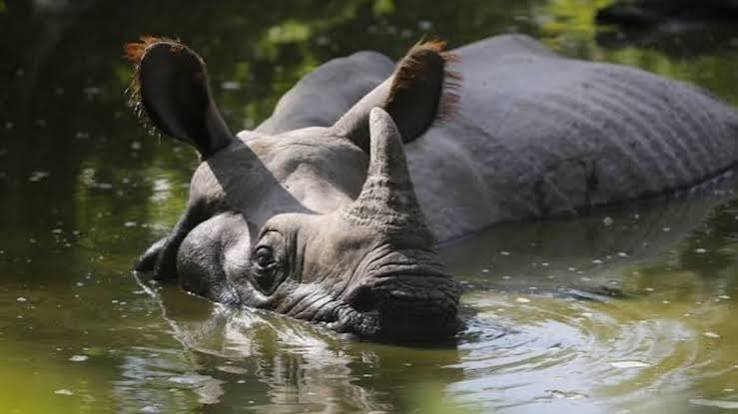
Greater one-horned rhino numbers have reached a record global high of 4,075, marking another major milestone for one of Asia’s most closely protected large mammals. The latest estimate comes from the International Rhino Foundation’s State of the Rhino 2026 report.
Assam remains at the centre of this conservation success. The northeastern state holds about 80% of the world’s greater one-horned rhino population, making its protected areas critical to the species’ future.
Greater one-horned rhino population reaches new high
The global population has risen from 4,014 in 2022 to 4,075, according to the latest International Rhino Foundation assessment. The increase reflects continued conservation gains in India and Nepal, the only two countries that currently hold the species in significant wild populations.
The recovery is particularly significant given the species’ history. Greater one-horned rhinos numbered fewer than 100 in the early 20th century. Stronger protection, anti-poaching measures and habitat management have helped rebuild the population over the decades.
The species is currently classified as Vulnerable on the IUCN Red List. Therefore, the latest increase is encouraging, but conservation agencies continue to face long-term challenges linked to habitat and population management.
Assam remains the global stronghold
Assam plays a central role in the recovery of the greater one-horned rhino. Around four-fifths of the world population is found in the state, with Kaziranga National Park supporting the largest concentration. Recent reporting puts Kaziranga’s population at more than 2,600 animals.
The state’s other rhino-bearing areas also contribute to conservation efforts. These include Orang National Park, Pobitora Wildlife Sanctuary and Manas National Park.
Assam’s official wildlife data show the long-term rise in its rhino population. The state has also supported programmes designed to spread rhinos across suitable habitats rather than keeping most animals concentrated in one landscape.
Kaziranga leads Assam’s conservation effort
Kaziranga remains the most important habitat for the greater one-horned rhino. Its grasslands, wetlands and riverine landscape provide conditions that support a large and breeding population.
However, a growing population also creates new management demands. Conservation is no longer limited to preventing poaching. Authorities must also maintain habitat quality, manage floods and ensure that rhinos have enough safe space.
Moreover, the wider landscape around protected areas matters. Maintaining movement routes and suitable habitats can reduce pressure on individual parks as populations grow.
Manas shows the value of recovery efforts
Manas National Park offers another important example of Assam’s conservation work. The rhino population there was once wiped out, but conservation programmes later helped re-establish the species.
Under the Indian Rhino Vision 2020 initiative, rhinos were translocated to Manas from other protected areas. The programme aimed to establish additional populations and reduce the risks associated with concentrating rhinos in a small number of locations.
Recent research has also found encouraging signs among reintroduced rhinos in Manas, including reproduction and adaptation to the restored habitat. At the same time, researchers have highlighted the need for continued protection and careful population management.
Habitat protection is the next major test
The latest population figure is a conservation success, but it also highlights a growing challenge. As numbers increase, suitable habitat becomes increasingly important.
Assam’s experience shows that protecting animals alone is not enough. Conservation must also safeguard grasslands, wetlands and wildlife corridors that support rhino movement and breeding.
Poaching remains another concern, although stronger enforcement has improved the situation. The International Rhino Foundation reported that only a small number of rhinos were illegally killed in India between 2021 and 2024, including four in Assam.
Overall, the 4,075 greater one-horned rhino estimate is a powerful sign of conservation progress. Assam’s role remains especially important because the state protects the majority of the world population. Going forward, maintaining secure habitats, preventing poaching and supporting viable populations across several landscapes will be essential to sustaining this recovery.