





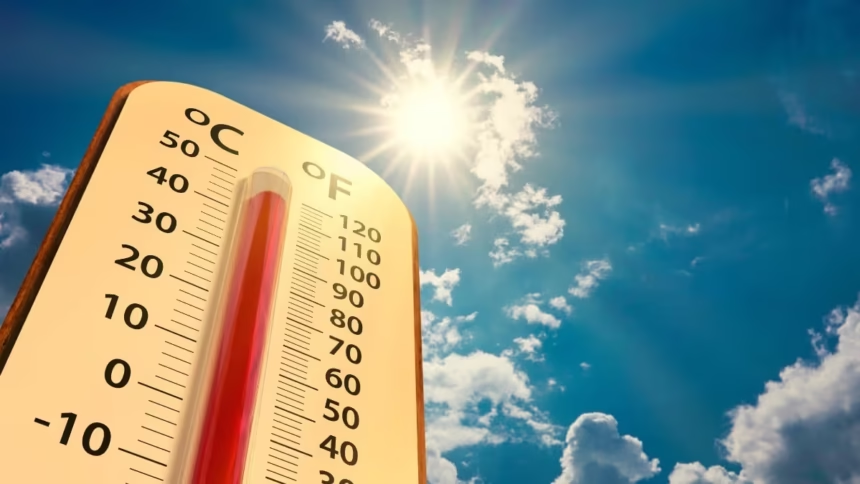
The Severe Heat Warning Issued by the Indian Meteorological Department (IMD) has placed several districts of Tripura under a yellow alert today. Authorities have warned residents about soaring temperatures and high humidity levels that could cause discomfort and health risks. Officials have urged people to take precautions, stay hydrated, and avoid unnecessary outdoor exposure during peak daytime hours.
Major Agartala Smart City Review Assesses Akhaura Road Upgrade Progress
NEC Reviews Outcomes of North East Investment Summit and Bankers’ Conclave
Severe Heat Warning Issued Across Multiple Tripura Districts
The Indian Meteorological Department (IMD) has issued a yellow alert for several districts in Tripura due to rising temperatures and persistently high humidity levels. The weather advisory has prompted authorities to encourage residents to remain cautious and follow safety measures to reduce heat-related health risks.
The alert comes as many parts of the state continue to experience uncomfortable weather conditions. High temperatures combined with elevated humidity levels have increased the likelihood of heat stress, especially among vulnerable groups such as children, senior citizens, and outdoor workers.
Meteorological officials stated that weather conditions could remain challenging throughout the day. Therefore, residents should closely monitor official weather updates and follow guidance issued by local authorities.
IMD Highlights Rising Temperature and Humidity Concerns
According to the IMD, the current weather pattern has resulted in a combination of soaring temperatures and excessive moisture in the atmosphere. This combination often creates conditions that make the weather feel significantly hotter than the actual temperature.
High humidity reduces the body’s ability to cool itself through sweating. As a result, people may experience greater physical discomfort even when temperatures remain within seasonal ranges. Consequently, health experts often advise extra caution during such weather events.
The yellow alert serves as an early warning system. It does not indicate an extreme emergency, but it signals that residents should remain aware of potentially hazardous weather conditions and take preventive measures.
Weather experts continue to monitor atmospheric developments and may issue additional advisories if conditions change.
What a Yellow Alert Means for Residents
A yellow alert generally indicates the need for preparedness and awareness. Authorities use this alert level to notify the public about weather conditions that could disrupt daily activities or affect health and safety.
Residents should remain informed through official weather bulletins and local administration updates. Although daily routines may continue as usual, people should exercise caution, particularly during the hottest hours of the day.
Government agencies often increase monitoring efforts during yellow alert periods. Furthermore, emergency services remain prepared to respond if weather conditions worsen unexpectedly.
The alert also encourages institutions, schools, workplaces, and public service providers to take appropriate measures to protect individuals from excessive heat exposure.
Health Risks Associated With Hot and Humid Conditions
Weather conditions characterized by high temperatures and humidity can create several health concerns. Prolonged exposure to such conditions may lead to dehydration, exhaustion, dizziness, and heat-related illnesses.
Individuals who spend extended periods outdoors face increased risks. Construction workers, street vendors, delivery personnel, agricultural workers, and traffic police often remain particularly vulnerable during heat alerts.
Health professionals advise residents to drink water regularly throughout the day. Additionally, they recommend avoiding excessive physical activity during peak afternoon hours when temperatures usually reach their highest levels.
People should also recognize early warning signs of heat stress. Symptoms such as fatigue, headaches, muscle cramps, and excessive sweating may indicate the need for immediate rest and hydration.
Prompt action can help prevent more serious heat-related health complications.
Authorities Advise Preventive Safety Measures
Following the alert, authorities have encouraged residents to adopt simple but effective precautions. These measures can significantly reduce the impact of hot and humid weather conditions.
People should wear lightweight and breathable clothing whenever possible. Light-colored garments can help reflect sunlight and improve comfort during outdoor activities.
In addition, residents should carry drinking water while traveling and consume fluids regularly throughout the day. Staying hydrated remains one of the most important strategies for preventing heat-related illnesses.
Officials have also advised limiting outdoor exposure during midday and afternoon hours. Whenever possible, individuals should seek shaded or air-conditioned environments.
Parents have been encouraged to ensure that children remain adequately hydrated, especially when participating in outdoor activities.
Impact on Daily Life Across Tripura
The weather alert may influence daily routines in several districts. Many residents have already reported increased discomfort due to the combination of heat and humidity.
Businesses that rely on outdoor labor may need to adjust work schedules to protect employees from prolonged exposure. Some organizations may also implement additional rest breaks during peak temperature periods.
Educational institutions often monitor weather advisories carefully and may provide guidance to students regarding hydration and outdoor activities.
Public transportation users may also experience discomfort during travel, particularly during afternoon hours. Therefore, travelers should carry water and plan journeys accordingly.
Despite these challenges, authorities have not announced major disruptions. Instead, they have focused on encouraging preparedness and personal safety.
Weather Patterns Behind the Current Conditions
Meteorologists explain that seasonal atmospheric conditions often contribute to rising temperatures and humidity across northeastern states during this period. Warm air combined with moisture creates conditions that can persist for several days.
Although rainfall sometimes provides temporary relief, humidity often remains elevated even after precipitation events. Consequently, residents may continue experiencing uncomfortable weather despite occasional cloud cover.
Weather experts continue analyzing regional developments to determine whether current conditions will intensify or gradually improve. As forecasts evolve, authorities will communicate updates through official channels.
The IMD remains responsible for monitoring these patterns and providing timely warnings to help communities prepare for changing weather conditions.
Importance of Public Awareness During Weather Alerts
Public awareness plays a crucial role in minimizing the effects of severe weather conditions. Early warnings allow individuals, families, and organizations to prepare in advance and take appropriate precautions.
Over recent years, weather forecasting systems have become increasingly effective at identifying potential risks before they develop into major concerns. As a result, timely alerts provide valuable opportunities for preventive action.
Residents who stay informed through reliable sources can make better decisions regarding travel, outdoor work, and daily activities. Moreover, community awareness helps protect vulnerable populations who may require additional assistance during periods of extreme weather.
The current alert highlights the importance of paying attention to official advisories and following recommended safety measures.
Severe Heat Warning Issued Prompts Statewide Vigilance
The Severe Heat Warning Issued by the IMD has prompted authorities, institutions, and residents across Tripura to remain vigilant. Although the alert level remains moderate, officials continue emphasizing the need for caution due to persistent heat and humidity.
Government departments, healthcare facilities, and emergency services remain prepared to respond if conditions worsen. Meanwhile, residents have an important role in protecting themselves and their families through responsible behavior and awareness.
The weather situation serves as a reminder that even routine seasonal conditions can create significant challenges when temperatures and humidity rise simultaneously.
Conclusion
The Severe Heat Warning Issued by the Indian Meteorological Department has placed several districts of Tripura under a yellow alert due to soaring temperatures and high humidity. While authorities have not reported severe disruptions, they have urged residents to remain cautious and adopt preventive measures. Staying hydrated, limiting outdoor exposure during peak heat hours, wearing suitable clothing, and monitoring official weather updates can help reduce health risks. As weather conditions continue to evolve, public awareness and preparedness will remain essential for ensuring safety across the state.
FAQs
1. Why was the Severe Heat Warning Issued in Tripura?
The Severe Heat Warning Issued followed IMD observations of high temperatures and elevated humidity levels across several districts of Tripura.
2. What does the yellow alert mean?
A yellow alert indicates that residents should stay aware of potentially challenging weather conditions and take necessary precautions.
3. What health risks can occur during hot and humid weather?
People may experience dehydration, heat exhaustion, dizziness, fatigue, headaches, and other heat-related illnesses.
4. How can residents protect themselves during the alert?
Residents should stay hydrated, wear light clothing, avoid prolonged sun exposure, and follow official weather advisories.
5. Which groups face the highest risk during the alert?
Children, senior citizens, outdoor workers, and individuals with existing health conditions may face greater risks during periods of intense heat and humidity.