





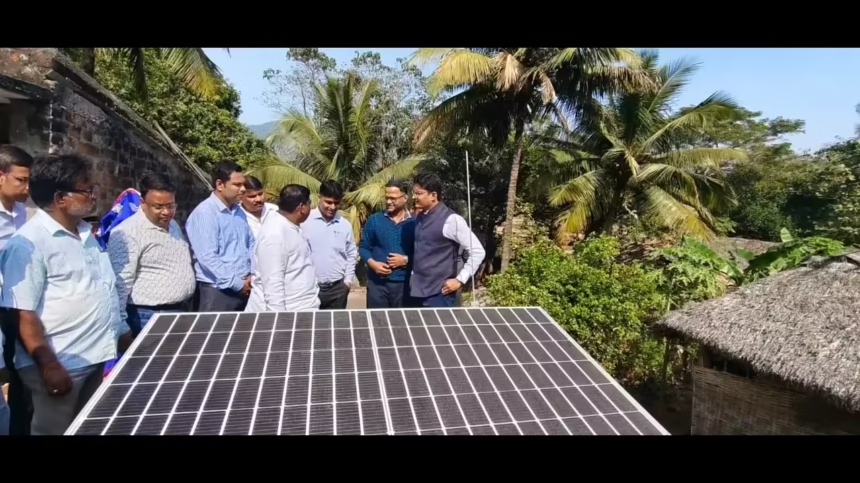
The Rural Electrification Push Success received a major boost today as the state power corporation announced the successful solar-grid electrification of three remote tribal hamlets in the Kanchanpur sub-division. The initiative aims to improve access to reliable electricity, enhance living standards, and support sustainable development in geographically isolated communities.
Massive Major Ganja Seizure Exposes
Nagaland Signs Jal Jeevan Mission 2.0 MoU to Upgrade Rural Water Systems
Rural Electrification Push Success Reaches Remote Tribal Communities
The state power corporation announced a significant achievement today with the successful solar-grid electrification of three remote tribal hamlets located in the Kanchanpur sub-division. The project marks another important step in efforts to expand electricity access to underserved communities and strengthen rural infrastructure across the state.
Officials stated that the initiative will provide reliable power to households that previously faced challenges in accessing conventional electricity networks. The development reflects the growing role of renewable energy solutions in extending essential services to remote regions.
By utilizing solar-grid technology, authorities have addressed geographical barriers while promoting sustainable energy development in tribal areas.
Solar-Grid Technology Powers Remote Hamlets
The electrification project relies on solar-grid systems designed to generate and distribute electricity within isolated communities. Solar energy has increasingly emerged as a practical solution for areas where extending traditional power infrastructure may be difficult or costly.
The newly installed systems capture solar energy and convert it into electricity that can be supplied to homes and community facilities. As a result, residents now have access to a dependable source of power for daily activities.
Officials highlighted that renewable energy technologies can help bridge infrastructure gaps while reducing dependence on conventional energy sources. Furthermore, solar-based systems often offer long-term environmental benefits through clean energy generation.
The success of the project demonstrates the potential of renewable energy in supporting rural development goals.
Kanchanpur Sub-Division Benefits From Infrastructure Expansion
Kanchanpur sub-division contains several remote and geographically challenging areas where infrastructure development often requires innovative solutions. The latest electrification effort focuses on improving living conditions in communities that have historically faced connectivity and service delivery challenges.
Access to electricity can significantly influence social and economic development. Reliable power supports education, communication, healthcare services, and household productivity. Consequently, rural electrification projects often serve as important catalysts for broader community progress.
The newly electrified hamlets are expected to experience improvements in daily life as residents gain access to lighting and other essential electrical services.
Authorities view the project as part of a larger effort to strengthen infrastructure in remote regions.
Renewable Energy Supports Sustainable Development
The growing adoption of renewable energy technologies aligns with broader sustainable development objectives. Solar power projects contribute to environmental conservation while helping communities access essential services.
Unlike conventional energy sources, solar systems generate electricity without producing significant emissions during operation. Therefore, they offer an environmentally responsible approach to rural electrification.
Officials emphasized that renewable energy initiatives can help balance development needs with sustainability goals. Moreover, solar-grid projects often provide practical solutions in locations where conventional infrastructure expansion may face logistical constraints.
The current initiative highlights the role of clean energy in supporting inclusive development across diverse geographic areas.
Improved Electricity Access Enhances Quality of Life
Access to electricity remains one of the most important factors influencing quality of life in rural communities. Reliable power can improve educational opportunities by enabling students to study after sunset and access modern learning resources.
Additionally, households benefit from better lighting, enhanced communication capabilities, and increased convenience in daily activities. Small businesses and community facilities may also gain new opportunities through improved energy access.
Health and public services can experience positive impacts as well. Electrification often supports the operation of medical equipment, refrigeration systems, and communication technologies that improve service delivery.
Consequently, the successful completion of the project is expected to generate benefits across multiple sectors of community life.
Tribal Communities Receive Development Support
The electrification initiative places a strong focus on supporting tribal communities living in remote locations. Governments frequently prioritize infrastructure development in such areas to reduce disparities and improve access to essential services.
Officials noted that rural and tribal development programs often emphasize connectivity, education, healthcare, and energy access as key priorities. Electrification projects contribute directly to these objectives by creating conditions that support long-term progress.
The latest achievement reflects ongoing efforts to ensure that development initiatives reach communities regardless of geographic challenges. Furthermore, access to reliable electricity can help strengthen economic and social opportunities in remote regions.
Authorities expressed optimism regarding the positive impact of the project on local residents.
State Power Corporation Highlights Achievement
The state power corporation described the successful completion of the project as an important milestone in its rural electrification strategy. Officials acknowledged the efforts of engineers, technical teams, and local stakeholders who contributed to the initiative.
Infrastructure projects in remote areas often require careful planning and coordination. Therefore, successful implementation demonstrates the effectiveness of collaborative approaches involving multiple agencies and community participants.
The corporation reiterated its commitment to expanding electricity access and exploring innovative solutions that address the needs of underserved populations.
Future projects may build upon the experience gained through the current initiative to extend benefits to additional communities.
Solar Energy Gains Importance in Rural Development
Solar energy continues to gain prominence as a tool for rural development throughout India. Advances in technology and declining costs have increased the feasibility of deploying solar systems in remote areas.
Many development programs now incorporate renewable energy components to improve infrastructure while supporting environmental objectives. Solar-grid systems can provide reliable service in regions where traditional grid expansion remains difficult.
The Kanchanpur project demonstrates how renewable energy can complement broader development strategies and improve access to essential services. As technology continues evolving, similar initiatives may become increasingly common in rural and tribal regions.
Experts often cite solar electrification as an effective means of promoting inclusive growth and sustainable development.
Community Development Opportunities Expand
Electrification often creates opportunities that extend beyond immediate household benefits. Access to power can support community centers, educational facilities, and small-scale economic activities that contribute to local development.
Residents may explore new livelihood opportunities that depend on electricity for equipment, communication, or storage needs. Additionally, improved infrastructure can encourage further investments in community development projects.
The availability of reliable energy frequently serves as a foundation for broader progress. Therefore, officials expect the newly electrified hamlets to benefit from expanded opportunities in the coming years.
Continued infrastructure improvements may further strengthen development outcomes in the region.
Rural Electrification Push Success Demonstrates Inclusive Growth
The Rural Electrification Push Success achieved in Kanchanpur sub-division demonstrates the state’s commitment to inclusive development and equitable access to essential services. By bringing solar-grid electricity to remote tribal hamlets, authorities have addressed a critical infrastructure need while promoting sustainable energy solutions.
The initiative illustrates how targeted investments can improve living conditions and create new opportunities for underserved communities. Furthermore, the project highlights the growing role of renewable energy in supporting rural transformation.
As development efforts continue, similar initiatives may help extend the benefits of modern infrastructure to additional remote areas across the state.
Conclusion
The Rural Electrification Push Success announced by the state power corporation marks a significant achievement in expanding energy access to remote tribal communities in the Kanchanpur sub-division. Through the successful deployment of solar-grid systems, three previously underserved hamlets now have access to reliable and sustainable electricity. The project supports improved living standards, educational opportunities, community development, and environmental sustainability. As authorities continue investing in renewable energy and rural infrastructure, initiatives like this will play an increasingly important role in promoting inclusive growth and ensuring that development reaches even the most remote corners of the state.
FAQs
1. What is the Rural Electrification Push Success announced today?
The Rural Electrification Push Success refers to the solar-grid electrification of three remote tribal hamlets in Kanchanpur sub-division.
2. Which technology was used for the electrification project?
The project utilized solar-grid systems to generate and distribute electricity in the remote communities.
3. Why is solar energy suitable for remote hamlets?
Solar energy provides a practical and sustainable solution in areas where extending conventional electricity infrastructure may be difficult.
4. How will residents benefit from the electrification project?
Residents will gain access to reliable lighting, improved communication, educational support, and better overall living conditions.
5. Why is rural electrification important for development?
Rural electrification supports education, healthcare, economic opportunities, and quality of life while promoting inclusive growth.