





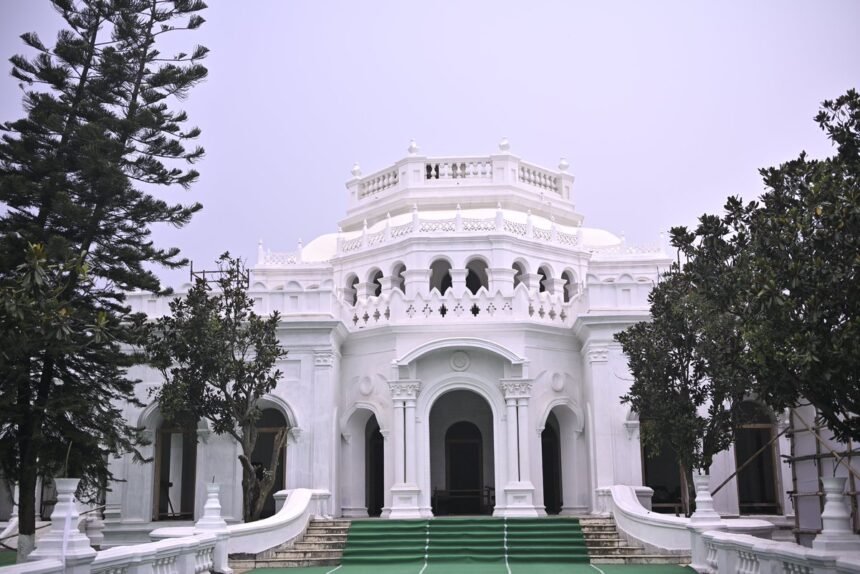
The Taj Pushpabanta Palace Hotel project has officially commenced with the laying of its foundation stone in Agartala. The ambitious initiative aims to transform the historic Pushpabanta Palace into a premium heritage hospitality destination, strengthening Tripura’s tourism sector and enhancing the city’s position on India’s luxury tourism map.
SP Dr Kiran Kumar Transferred to Central NCB
Manipur Transfers Missing Naga Persons Case to NIA for Probe
Taj Pushpabanta Palace Hotel Project Officially Launched
The foundation stone for the Taj Pushpabanta Palace Hotel project was officially laid, marking the beginning of a major heritage tourism initiative in Tripura. Moreover, the project represents a significant investment in preserving historical architecture while promoting tourism-driven economic growth.
The development has attracted considerable attention from tourism stakeholders and local residents. Additionally, officials view the project as an important step toward expanding the state’s hospitality infrastructure.
Historic Palace Set for Transformation
Pushpabanta Palace, one of Agartala’s prominent historical landmarks, will undergo a transformation into a luxury heritage hotel. Furthermore, the project seeks to preserve the architectural and cultural significance of the palace while adapting it for modern hospitality services.
Heritage tourism projects often combine conservation with economic development. Consequently, the initiative aims to protect the site’s legacy while creating new opportunities for visitors.
Heritage Tourism Receives Major Boost
The Taj Pushpabanta Palace Hotel is expected to strengthen Tripura’s heritage tourism sector significantly. Moreover, heritage properties frequently attract travelers interested in history, culture, and unique hospitality experiences.
Tourism experts believe that premium heritage destinations can enhance a region’s appeal. Therefore, the project may help draw both domestic and international visitors to Agartala.
Agartala Targets Luxury Tourism Market
The project aims to position Agartala more prominently within India’s luxury tourism landscape. Additionally, high-end hospitality developments can increase a city’s visibility among travelers seeking premium accommodations and cultural experiences.
Luxury tourism often generates broader economic benefits. Furthermore, it can encourage additional investments in related sectors such as transport, retail, and local services.
Economic Opportunities Expected
The development of the Taj Pushpabanta Palace Hotel may create new economic opportunities for local communities. Moreover, large tourism projects often generate employment during both construction and operational phases.
Increased visitor arrivals can also benefit businesses connected to tourism. As a result, stakeholders anticipate positive effects on the local economy.
Preservation and Development Go Hand in Hand
A key aspect of the project involves balancing heritage preservation with modern development. Furthermore, maintaining the palace’s historical character remains central to the overall vision.
Successful heritage projects frequently demonstrate how conservation can support sustainable tourism. Consequently, the initiative has gained interest from both tourism and cultural heritage advocates.
Hospitality Infrastructure Expands in Tripura
The hotel project reflects broader efforts to improve tourism infrastructure across Tripura. Moreover, enhanced accommodation options can support the state’s long-term tourism growth objectives.
Authorities continue to promote investments that strengthen the visitor experience. Therefore, the project aligns with wider development strategies aimed at attracting more travelers.
Taj Pushpabanta Palace Hotel Could Enhance Cultural Tourism
The Taj Pushpabanta Palace Hotel may also contribute to the growth of cultural tourism by highlighting Tripura’s historical and architectural heritage. Additionally, heritage hotels often serve as gateways for visitors to explore regional traditions and attractions.
Cultural tourism plays an important role in preserving local identity. Furthermore, it helps showcase the unique character of destinations to a broader audience.
Future Vision for Agartala’s Tourism Sector
The foundation stone ceremony signals a long-term vision for expanding tourism opportunities in the state capital. Moreover, stakeholders hope that the project will elevate Agartala’s profile as a destination known for both heritage and hospitality.
Continued investment in tourism infrastructure can strengthen competitiveness. Consequently, the project is viewed as a strategic addition to Tripura’s tourism portfolio.
Conclusion
The Taj Pushpabanta Palace Hotel project marks a major milestone in Tripura’s tourism and heritage development journey. By transforming the historic Pushpabanta Palace into a luxury heritage destination, the initiative seeks to preserve an important cultural landmark while creating new opportunities for economic growth and tourism expansion. Moreover, the project reflects a broader commitment to promoting Agartala as a destination that blends history, culture, and premium hospitality.
The development has the potential to attract a wider range of travelers, strengthen the local economy, and enhance the state’s reputation within India’s tourism sector. Furthermore, the combination of heritage conservation and luxury hospitality could establish a unique attraction for visitors seeking authentic cultural experiences. The Taj Pushpabanta Palace Hotel therefore stands as a landmark initiative that may reshape Agartala’s position on the national tourism map.
FAQs
1. What is the Taj Pushpabanta Palace Hotel project?
The project aims to convert the historic Pushpabanta Palace in Agartala into a luxury heritage hotel. Moreover, it seeks to promote tourism while preserving the palace’s historical significance.
2. Why is the project important for Tripura?
The development is expected to boost tourism, create economic opportunities, and enhance the state’s hospitality infrastructure. Additionally, it may attract more domestic and international visitors.
3. What type of tourism does the project support?
The project primarily supports heritage and luxury tourism. Furthermore, it highlights the cultural and architectural heritage of Tripura.
4. How can the project benefit Agartala?
The hotel may increase visitor arrivals, generate employment, and improve the city’s visibility in the tourism market. Consequently, it could contribute to broader economic development.
5. What does the Taj Pushpabanta Palace Hotel aim to achieve?
The Taj Pushpabanta Palace Hotel aims to transform a historic palace into a premium hospitality destination while preserving its heritage value. Moreover, it seeks to position Agartala as a key destination for luxury and cultural tourism.