




The Mizoram Social Welfare Department has updated its nutritional schemes for rural pregnant women to strengthen maternal health outcomes and reduce nutrition-related risks. The revised framework focuses on improving access to balanced diets, supplement distribution, and regular health monitoring in rural areas. Moreover, officials stated that the update aims to enhance maternal and child health indicators across the state. The initiative reflects a targeted approach to supporting vulnerable groups in remote communities.
Manipur Handloom Weavers Get Direct Financial Assistance Through a State Cooperative Bank Rollout
Strengthening Maternal Nutrition Support in Rural Areas
Mizoram social welfare department updates nutritional schemes for rural pregnant women to improve dietary intake and health support during pregnancy. Consequently, the revised programme places greater emphasis on early intervention and continuous monitoring.
The scheme focuses on providing essential nutritional supplements to expectant mothers in rural and remote villages. Moreover, health workers will play a key role in identifying beneficiaries and ensuring timely distribution. Therefore, access to nutrition support is expected to become more consistent.
Officials highlighted that maternal nutrition is a key factor in reducing health complications during pregnancy. Furthermore, improved dietary support contributes to better infant health outcomes. As a result, the updated scheme prioritizes high-risk cases.
Meanwhile, awareness campaigns are being expanded at the community level. Consequently, more families are being informed about available nutritional benefits.
Improved Distribution and Monitoring Mechanisms
The Mizoram social welfare department updates nutritional schemes for rural pregnant women with a stronger focus on delivery efficiency. Moreover, digital tracking systems are being introduced to monitor beneficiary coverage. Therefore, transparency in distribution is expected to improve.
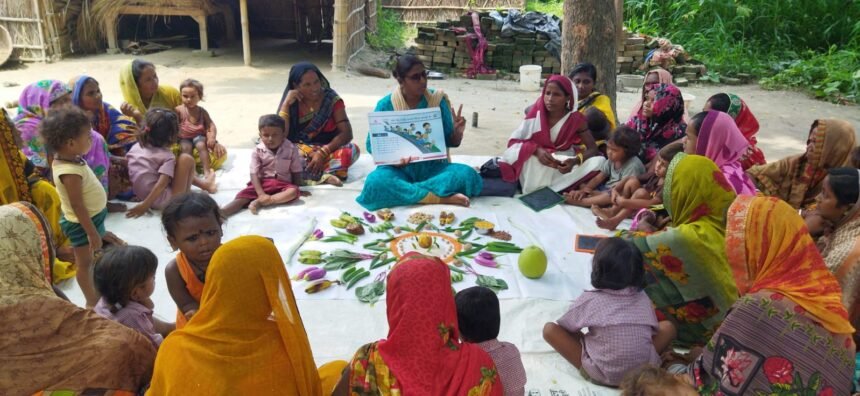
Frontline health workers, including Anganwadi staff, will oversee the implementation process. Consequently, the last-mile delivery of nutritional supplements becomes more reliable. Such systems reduce gaps in service delivery.
Furthermore, periodic health check-ups are being integrated into the scheme. As a result, maternal health conditions can be tracked more effectively.
Meanwhile, data collection systems are being strengthened for better planning. Similarly, coordination between health and welfare departments is being enhanced.
Addressing Malnutrition and Maternal Health Risks
Mizoram social welfare department updates nutritional schemes for rural pregnant women to address ongoing concerns related to maternal malnutrition. Moreover, rural areas often face challenges in accessing balanced diets. Therefore, targeted nutritional interventions are essential.
The updated scheme includes fortified food supplements and essential micronutrients. Consequently, deficiencies during pregnancy can be reduced. Such interventions help prevent complications during childbirth.
Furthermore, improved nutrition contributes to healthier birth weights. As a result, neonatal health outcomes are expected to improve.
Meanwhile, health education programmes are being conducted to promote dietary awareness. Similarly, families are being encouraged to adopt better nutrition practices.
Integration With Broader Health and Welfare Programs
The updated nutritional scheme is part of Mizoram’s broader maternal and child welfare strategy. Moreover, coordination with public health programmes ensures wider coverage. Therefore, integrated service delivery is being prioritized.
Community health centres will support implementation through regular outreach visits. Consequently, rural women can access services without traveling long distances. Such accessibility improvements are critical in hilly regions.
Furthermore, government agencies are reviewing long-term impact indicators. As a result, policy adjustments may be made based on outcomes.
Meanwhile, partnerships with local organisations are being explored. Similarly, capacity-building of health workers is being strengthened.
Conclusion
Mizoram social welfare department updates nutritional schemes for rural pregnant women, marking a significant step toward improving maternal health in rural communities. Moreover, the initiative strengthens nutrition delivery, monitoring, and awareness systems.
The updated programme is expected to reduce malnutrition risks and improve maternal and child health outcomes. Therefore, it contributes to long-term public health improvement in the state.
As Mizoram social welfare department updates nutritional schemes for rural pregnant women, it highlights the importance of targeted welfare interventions for vulnerable populations.
FAQs
1. Who launched the updated scheme?
The Mizoram Social Welfare Department.
2. Who benefits from the scheme?
Rural pregnant women in Mizoram.
3. What is the main focus?
Improving maternal nutrition and health outcomes.
4. How is support delivered?
Through frontline health workers and welfare systems.
5. Why is it important?
It helps reduce malnutrition and improves maternal health.