





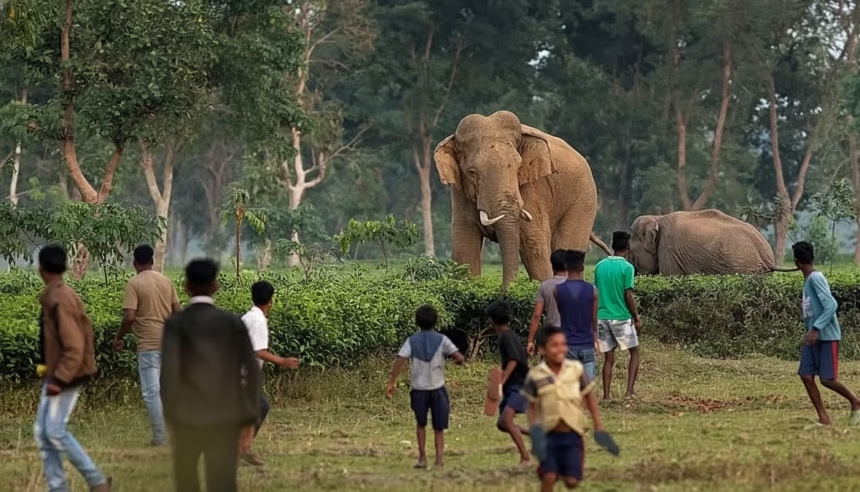
The Garo Hills Elephant Corridor initiative has taken a major step forward as forest officials demarcated three new safe elephant corridors in Garo Hills. According to the available information, the move aims to protect wildlife movement routes, reduce human-animal conflicts, and strengthen conservation efforts in Meghalaya.
Dawki Border Trade: Cross-Border Commerce Operates at 60% Capacity
The Garo Hills Elephant Corridor update highlights the importance of preserving natural pathways used by elephants across forest landscapes. According to the available information, forest authorities identified and marked three areas to support safer movement of elephant populations.
Elephant corridors play a crucial role in maintaining ecological balance by allowing wildlife to move between feeding and breeding habitats. Moreover, protecting these routes helps reduce encounters between elephants and human settlements.
The latest development reflects increased focus on biodiversity conservation and sustainable forest management. Therefore, creating protected movement corridors can support both wildlife protection and community safety.
The initiative also demonstrates the importance of scientific planning in conservation efforts. Additionally, clearly defined corridors can help authorities manage land use and reduce risks linked to habitat fragmentation.
Garo Hills Elephant Corridor Strengthens Wildlife Protection Measures
The Garo Hills Elephant Corridor project focuses on identifying safe routes for elephant movement across forest areas. According to the available information, forest officials completed the demarcation of three new corridors in Garo Hills.
Moreover, elephant corridors help maintain connectivity between fragmented habitats. Consequently, protecting these pathways allows wildlife to move naturally while reducing pressure on surrounding ecosystems.
Garo Hills is known for its rich biodiversity and forest landscapes that support various wildlife species. Furthermore, elephant conservation requires coordinated efforts involving forest departments, local communities, and conservation groups.
The available information confirms that three new safe corridors were demarcated. However, authorities have not released details regarding the exact locations, total corridor area, conservation measures, or implementation timeline.
Authorities Advance Garo Hills Elephant Corridor Conservation Plans
The Garo Hills Elephant Corridor initiative represents broader efforts to strengthen wildlife management in Meghalaya. Forest officials are expected to monitor these corridors and implement measures to ensure safer elephant movement.
Additionally, protected corridors can help reduce incidents of crop damage and human-elephant conflict by guiding elephant movement through designated areas. This approach supports both conservation goals and community protection.
Forest authorities continue focusing on habitat preservation and responsible land management. Meanwhile, local awareness and community participation remain important factors in ensuring the success of wildlife corridor initiatives.
The available information does not mention additional protection measures such as fencing, monitoring systems, or compensation programmes. Therefore, the current update focuses on the demarcation of new elephant corridors.
Further updates may provide information about conservation activities and corridor management plans.
Garo Hills Elephant Corridor Highlights Need for Habitat Conservation
The Garo Hills Elephant Corridor development highlights the importance of protecting wildlife habitats amid changing land-use patterns. Safe movement routes help elephants access natural resources while maintaining ecological connections.
Moreover, conservation corridors support long-term biodiversity protection by preventing further habitat isolation. Consequently, such initiatives contribute to maintaining healthy ecosystems.
The creation of new elephant corridors reflects a proactive approach toward wildlife management. Similarly, cooperation between forest officials, communities, and conservation experts can improve the effectiveness of conservation programmes.
Protecting elephant habitats remains an important environmental priority in Meghalaya. Therefore, the Elephant Corridor update reinforces the importance of wildlife protection, sustainable development, and human-wildlife coexistence.
As conservation efforts continue, future updates may provide more details about monitoring and protection measures.
Conclusion
The Elephant Corridor initiative has progressed as forest officials demarcated three new safe elephant corridors in Garo Hills. The move aims to protect elephant habitats, support natural wildlife movement, and reduce human-animal conflicts.
Furthermore, continued monitoring and community cooperation will remain essential for the long-term success of these conservation efforts. Protecting wildlife corridors can help maintain ecological balance while supporting safer communities.
Overall, the Elephant Corridor update highlights the importance of biodiversity conservation, habitat protection, and sustainable wildlife management in Meghalaya.
FAQs
1. What is the latest Garo Hills Elephant Corridor update?
The Elephant Corridor update confirms that forest officials have demarcated three new safe elephant corridors in Garo Hills.
2. Why are elephant corridors important?
Elephant corridors allow wildlife to move safely between habitats and help reduce human-elephant conflicts.
3. Who identified the new elephant corridors?
According to the available information, forest officials identified and demarcated the new safe corridors.
4. How do elephant corridors help communities?
Protected corridors can reduce unexpected elephant movement into settlements and support safer coexistence between humans and wildlife.
5. Have the locations of the corridors been announced?
No. The available information confirms the demarcation of three corridors but does not provide specific locations.