





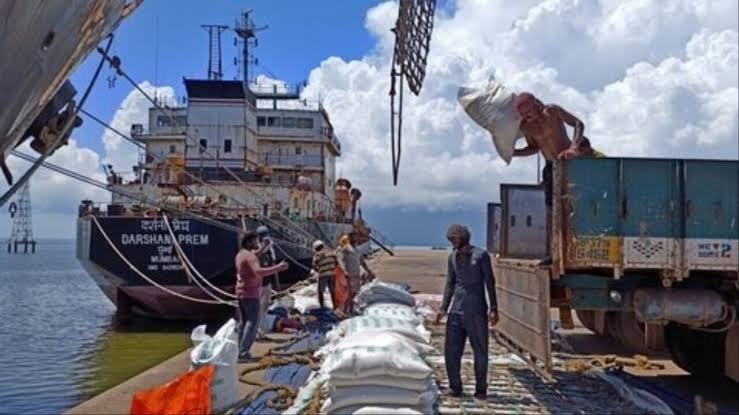
The Dawki Border Trade situation has witnessed a slowdown as cross-border trade with Bangladesh via Dawki land port operated at 60% capacity due to heavy rains. According to the available information, adverse weather conditions affected transportation movement and reduced the normal flow of commercial activities through the important border trading point.
Siaha District Council Approves Annual Budget with Focus on Rural Road Development
The Dawki Border Trade update highlights the impact of monsoon conditions on regional commerce and logistics operations. According to the available information, rainfall-related challenges affected vehicle movement and trade efficiency at the Dawki land port.
Border trade plays an important role in supporting economic exchanges between neighbouring regions. Moreover, disruptions caused by extreme weather can affect traders, transport operators, and supply chains connected to cross-border markets.
The latest development reflects the vulnerability of transport networks during intense monsoon periods. Therefore, maintaining resilient infrastructure and efficient logistics systems remains essential for uninterrupted trade operations.
The slowdown also highlights the importance of weather preparedness at border facilities. Additionally, improved planning can help reduce delays and support smoother movement of goods during challenging conditions.
Dawki Border Trade Faces Weather-Related Operational Challenges
The Dawki Border Trade slowdown occurred as heavy rains affected normal trade operations through the Dawki land port. According to the available information, cross-border commercial activity continued but remained limited to around 60% capacity.
Moreover, rainfall can create difficulties for freight movement by affecting road conditions, transportation schedules, and loading operations. Consequently, traders may experience delays in the movement of goods between India and Bangladesh.
Dawki serves as an important trade route connecting Meghalaya with Bangladesh. Furthermore, consistent border connectivity supports local businesses, transport services, and regional economic activities.
The available information confirms that trade operations continued at reduced capacity. However, authorities have not released details regarding the exact duration of the slowdown, affected commodities, financial impact, or recovery timeline.
Authorities Monitor Dawki Border Trade During Monsoon Conditions
The Dawki Border Trade update reflects the need for continuous monitoring of border commerce during extreme weather events. Authorities and stakeholders are expected to assess conditions and support restoration of normal trade capacity.
Additionally, maintaining efficient border infrastructure can help reduce disruptions caused by seasonal weather challenges. This approach supports economic stability and protects the interests of traders and transport operators.
Monsoon-related disruptions often require coordination between customs officials, transport agencies, and local authorities. Meanwhile, improved communication can help businesses plan logistics operations more effectively.
The available information does not mention any suspension of trade activities or restrictions at the Dawki land port. Therefore, the current update focuses on reduced operational capacity caused by heavy rainfall.
Further updates may provide information regarding the return of normal trade operations and weather conditions.
Dawki Border Trade Highlights Importance of Regional Connectivity
The Dawki Border Trade corridor plays an important role in strengthening economic links between Meghalaya and Bangladesh. Reliable cross-border trade networks support businesses and contribute to regional development.
Moreover, improving infrastructure resilience can help protect trade routes from seasonal disruptions. Consequently, better roads, drainage systems, and transport facilities can improve long-term trade efficiency.
The temporary reduction in trade capacity demonstrates the challenges faced by border regions during extreme weather conditions. Similarly, climate-resilient planning can help maintain economic activities throughout the year.
Strengthening border trade remains important for Meghalaya’s economic growth and regional cooperation. Therefore, the Border Trade update emphasizes the importance of reliable infrastructure, weather preparedness, and efficient logistics management.
As weather conditions improve, future updates may provide details about the restoration of full trade capacity.
Conclusion
The Border Trade movement has slowed as cross-border trade with Bangladesh through Dawki land port operated at 60% capacity due to heavy rains. The weather-related disruption affected normal commercial activity while trade operations continued.
Furthermore, improving infrastructure resilience and strengthening monsoon preparedness will remain important for maintaining smooth border commerce. Continued coordination between authorities and traders can help reduce future disruptions.
Overall, the Border Trade update highlights the importance of regional connectivity, climate-resilient infrastructure, and efficient cross-border trade management.
FAQs
1. What is the latest Dawki Border Trade update?
The Border Trade update confirms that cross-border trade through Dawki land port operated at around 60% capacity due to heavy rains.
2. Why did trade activity slow down at Dawki?
Heavy rainfall affected transportation movement and reduced the efficiency of trade operations.
3. Which country is connected through Dawki land port?
Dawki land port connects Meghalaya in India with Bangladesh for cross-border trade activities.
4. Was trade completely stopped at Dawki?
No. According to the available information, trade continued but operated at reduced capacity.
5. How can weather disruptions affect border trade?
Weather disruptions can delay transportation, affect logistics schedules, and impact the movement of goods.