


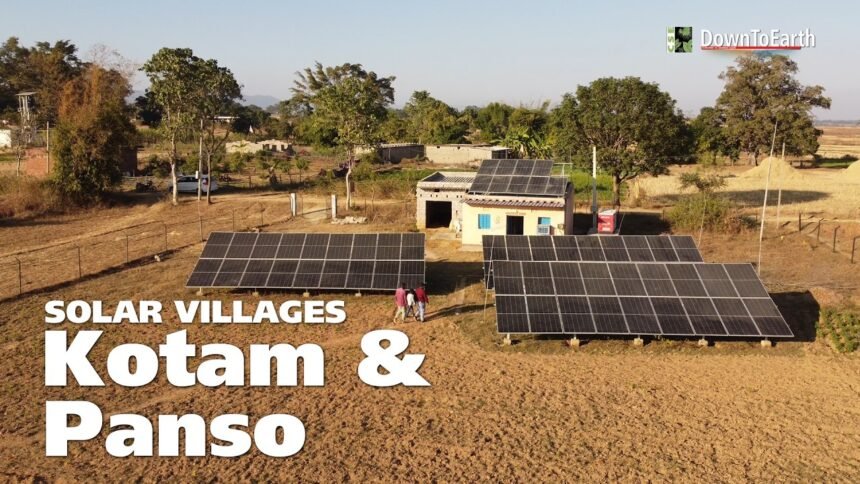
The Border Village Power initiative has expanded with the installation of solar micro-grids in five remote border villages in Anjaw district. According to the available information, the project aims to improve access to reliable electricity, strengthen rural infrastructure, and support sustainable development in some of Arunachal Pradesh’s most isolated communities.
Ziro Valley Crop Damage: Excess Rainfall Damages Unique Paddy-Cum-Fish Farming Fields
The Border Village Power update reflects ongoing efforts to enhance energy access in remote border regions through renewable energy solutions. According to the available information, the newly installed solar micro-grids will provide electricity to villages where conventional grid connectivity can be difficult because of challenging terrain and geographical isolation.
Solar micro-grids offer decentralized power generation by producing electricity close to where it is consumed. Moreover, they reduce dependence on long transmission lines and provide a reliable source of clean energy for rural households and community facilities.
The latest development underscores the importance of expanding renewable energy infrastructure in remote regions. Therefore, authorities continue promoting sustainable solutions that improve living standards while strengthening essential services.
The initiative also supports broader rural development goals. Additionally, dependable electricity can improve access to education, healthcare, communication, and small business opportunities in remote communities.
Border Village Power Enhances Rural Energy Access
The Border Village Power project has brought solar micro-grids to five remote villages in Anjaw district. According to the available information, the installations are intended to provide dependable electricity through locally generated solar power.
Moreover, decentralized energy systems help improve resilience by reducing dependence on centralized power networks. Consequently, remote communities can benefit from more consistent electricity for everyday needs.
Reliable electricity supports essential public services, including schools, healthcare centers, and community facilities. Furthermore, access to renewable energy can encourage economic activities and improve the overall quality of life in rural areas.
The available information confirms the installation of solar micro-grids in five villages. However, authorities have not released the names of the villages, the power generation capacity of the systems, or the number of households expected to benefit.
Authorities Promote Renewable Energy Through Border Village Power
The Border Village Power initiative reflects continued efforts to strengthen infrastructure in strategically important border regions. Officials continue supporting renewable energy projects that improve energy security and sustainable development.
Additionally, solar micro-grids require relatively limited infrastructure compared with conventional power networks, making them suitable for remote mountainous terrain. This approach helps expand electricity access while promoting environmentally friendly energy generation.
Authorities are expected to monitor the performance of the new systems and assess future opportunities for similar projects. Meanwhile, local communities can begin utilizing the improved electricity supply for domestic and community purposes.
The available information does not mention additional phases of the project or future expansion plans. Therefore, the current update focuses on the successful installation of solar micro-grids in five remote villages.
Renewable energy initiatives are expected to remain an important part of rural infrastructure development.
Border Village Power Highlights Sustainable Development Goals
The Border Village Power initiative demonstrates how renewable energy can support sustainable development in geographically challenging regions. Clean energy infrastructure improves essential services while reducing environmental impact.
Moreover, investments in solar technology, energy storage, and decentralized power systems can strengthen long-term energy resilience. Consequently, expanding renewable energy remains an important strategy for rural development.
The installation of solar micro-grids in Anjaw highlights the growing role of clean energy in improving living conditions for remote communities. Similarly, coordinated efforts between government agencies and local communities can support the successful implementation of future renewable energy projects.
Strengthening rural energy infrastructure remains a key development priority for Arunachal Pradesh. Therefore, the Border Village Power update emphasizes the importance of sustainable energy solutions in supporting inclusive growth and regional connectivity.
As implementation continues, future official updates may provide additional information regarding project performance, expansion plans, and community benefits.
Conclusion
The Border Village Power initiative has brought solar micro-grids to five remote border villages in Anjaw, improving access to reliable and renewable electricity. The project represents an important step toward strengthening rural infrastructure and supporting sustainable development in isolated communities.
Furthermore, expanded access to clean energy can enhance education, healthcare, communication, and local economic opportunities. Continued investment in renewable energy will remain essential for improving quality of life in remote border regions.
Overall, the Border Village Power update highlights the value of sustainable infrastructure and innovative energy solutions for Arunachal Pradesh’s long-term development. As additional projects are implemented, further official updates are expected regarding their impact and future expansion.
FAQs
1. What is the latest update on Border Village Power?
The Border Village Power initiative has installed solar micro-grids in five remote border villages in Anjaw district.
2. What is the purpose of the solar micro-grids?
The project aims to provide reliable renewable electricity and improve energy access in remote communities.
3. Where has the project been implemented?
The solar micro-grids have been installed in Anjaw district of Arunachal Pradesh.
4. How many villages are benefiting from the project?
According to the available information, five remote border villages have received solar micro-grids.
5. Have authorities announced further expansion plans?
No. The available information does not mention additional phases or expansion of the project.