





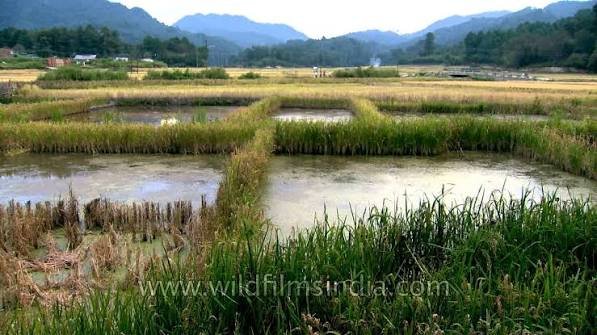
The Ziro Valley Crop Damage situation has emerged after excess rainfall caused structural damage to the region’s unique paddy-cum-fish farming fields. According to the available information, prolonged monsoon rains affected the traditional agricultural system, raising concerns about crop productivity and the preservation of an important farming practice in Arunachal Pradesh.
Paper Leak Courts Welcomed by CM Dr. Manik Saha
The Crop Damage update highlights the impact of persistent rainfall on one of India’s most distinctive agricultural landscapes. According to the available information, excessive rain damaged the structure of the integrated paddy-cum-fish farming fields, affecting an agricultural system that combines rice cultivation with fish rearing.
The paddy-cum-fish farming method has long supported sustainable agriculture in Ziro Valley by allowing farmers to cultivate rice and raise fish simultaneously. Moreover, the traditional practice contributes to food security, biodiversity, and local livelihoods while preserving indigenous farming knowledge.
The latest development underscores the vulnerability of traditional farming systems to extreme weather events. Therefore, authorities and agricultural experts continue monitoring conditions to assess the extent of the damage and evaluate future restoration needs.
The situation also highlights the importance of climate-resilient farming practices. Additionally, timely support measures can help farming communities recover from weather-related disruptions.
Ziro Valley Crop Damage Affects Traditional Paddy-Cum-Fish Farming
The Ziro Valley Crop Damage occurred after heavy monsoon rainfall damaged the structural integrity of the integrated farming fields. According to the available information, excess rainfall affected the traditional agricultural layout that supports both rice cultivation and fish farming.
Moreover, prolonged rainfall can weaken field embankments, disrupt water management systems, and reduce farming efficiency. Consequently, farmers may face challenges in maintaining crop production and aquatic cultivation simultaneously.
Ziro Valley is widely recognized for its sustainable agricultural practices and unique farming techniques. Furthermore, protecting these traditional systems remains important for preserving the region’s agricultural heritage and supporting local livelihoods.
The available information confirms that excess rainfall caused structural damage to the paddy-cum-fish farming fields. However, authorities have not released details regarding the total area affected, estimated crop losses, or financial impact on farmers.
Authorities Assess Ziro Valley Crop Damage
The Ziro Valley Crop Damage has prompted attention from agricultural authorities and local administrations. Officials are expected to assess the condition of affected farming fields while evaluating possible restoration and support measures.
Additionally, agricultural experts may study the impact of heavy rainfall on field structures to recommend improvements for future resilience. This approach supports long-term sustainability for traditional farming systems.
Continuous weather monitoring remains essential as monsoon conditions persist. Meanwhile, local communities continue managing farming activities while awaiting further assessments.
The available information does not mention emergency financial assistance or rehabilitation packages for affected farmers. Therefore, the current update focuses on the structural damage caused by excessive rainfall.
Further assessments are expected as weather conditions stabilize.
Ziro Valley Crop Damage Highlights Climate Challenges for Traditional Agriculture
The Ziro Valley Crop Damage highlights the growing challenges that climate variability poses to traditional agricultural systems. Sustainable farming methods depend on balanced environmental conditions, making them vulnerable to prolonged periods of excessive rainfall.
Moreover, investments in climate-resilient agriculture, improved water management, and field protection can help reduce the impact of future extreme weather events. Consequently, strengthening traditional farming infrastructure remains an important priority.
The damage to Ziro Valley’s paddy-cum-fish fields demonstrates how changing weather patterns can affect both agricultural production and cultural heritage. Similarly, coordinated efforts between farmers, agricultural experts, and government agencies can support long-term recovery.
Protecting traditional farming systems remains essential for sustainable rural development. Therefore, the Ziro Valley Crop Damage update emphasizes the importance of preparedness, adaptive farming practices, and continued support for indigenous agriculture.
As field assessments continue, future official updates may provide additional information regarding crop losses, restoration plans, and assistance for affected farmers.
Conclusion
The Ziro Valley Crop Damage has affected the region’s unique paddy-cum-fish farming fields after excess monsoon rainfall caused structural damage. The incident highlights the vulnerability of traditional agricultural systems to extreme weather conditions.
Furthermore, continued assessment, restoration planning, and climate-resilient farming measures will be important in supporting affected communities. Protecting this distinctive agricultural practice remains essential for preserving both local livelihoods and cultural heritage.
Overall, the Ziro Valley Crop Damage update underscores the need for sustainable disaster preparedness and agricultural resilience. As authorities complete detailed assessments, further updates are expected regarding recovery efforts and support initiatives.
FAQs
1. What is the latest update on Ziro Valley Crop Damage?
The Ziro Valley Crop Damage update confirms that excess rainfall caused structural damage to the region’s unique paddy-cum-fish farming fields.
2. What farming system was affected?
The affected system is the traditional paddy-cum-fish farming method practiced in Ziro Valley.
3. What caused the damage?
According to the available information, prolonged and excessive monsoon rainfall caused structural damage to the farming fields.
4. Have authorities announced compensation for farmers?
No. The available information does not mention any compensation or financial assistance.
5. Why is Ziro Valley’s farming system significant?
The paddy-cum-fish farming system is a sustainable traditional agricultural practice that supports rice cultivation, fish farming, biodiversity, and local livelihoods.