





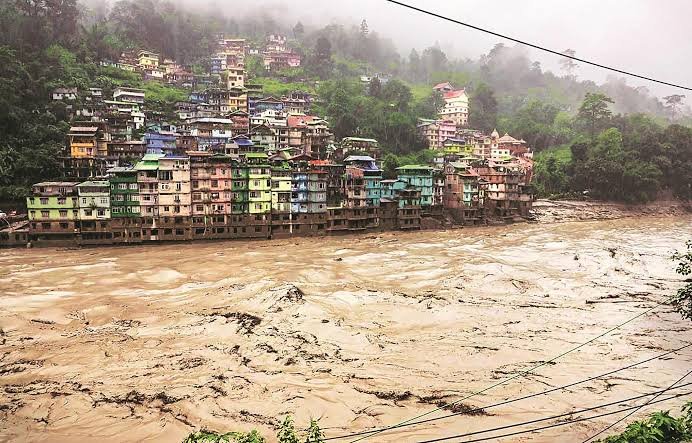
The Brahmaputra Red Mark situation has raised concerns after the Brahmaputra River flowed above the danger level at Nematighat and Tezpur amid the ongoing flood conditions in Assam. According to the available information, rising water levels have increased pressure on riverine areas and prompted continued monitoring by authorities.
Dhubri Ferry Suspension Disrupts River Connectivity
The Brahmaputra Red Mark update highlights the worsening flood situation as the river crossed danger levels at two important monitoring locations, Nematighat and Tezpur. According to the available information, authorities are closely observing river conditions to assess potential impacts on nearby communities.
The Brahmaputra River plays a vital role in Assam’s geography, agriculture, and ecosystem. Moreover, rising water levels during the monsoon season can create challenges for settlements located near riverbanks and low-lying regions.
The latest development reflects the importance of continuous flood monitoring and early response measures. Therefore, authorities continue tracking water levels and assessing vulnerable areas to manage possible risks.
The situation also emphasizes the need for effective flood preparedness. Additionally, timely updates help communities and agencies take necessary precautions during periods of rising river levels.
Brahmaputra Red Mark Raises Flood Concerns in Assam River Areas
The Brahmaputra Red Mark situation developed after the river flowed above the danger level at Nematighat and Tezpur. According to the available information, the increased water level has become a key concern during the ongoing flood period.
Moreover, river levels above danger marks indicate increased pressure on nearby areas and require regular observation. Consequently, monitoring stations play an important role in providing updates about changing flood conditions.
Nematighat and Tezpur are among the important locations where Brahmaputra water levels are tracked. Furthermore, these measurements help authorities understand the severity of flooding and plan response actions.
The available information confirms that the Brahmaputra crossed the danger level at both locations. However, authorities have not released details regarding the exact water levels, affected villages, or additional flood control measures.
Authorities Monitor Brahmaputra Red Mark Conditions
The Brahmaputra Red Mark update has increased the focus on flood monitoring activities across Assam. Government agencies regularly track river levels to identify areas that may require additional attention.
Additionally, early monitoring allows authorities to coordinate emergency responses and issue necessary advisories. This approach helps reduce risks for communities living in flood-sensitive areas.
River conditions can change quickly during periods of heavy rainfall. Meanwhile, disaster management teams continue assessing developments and reviewing the impact of rising water levels.
The available information does not mention new evacuation orders or additional relief measures linked specifically to the rising river levels at Nematighat and Tezpur. Therefore, the current update focuses on the Brahmaputra crossing danger levels at these locations.
The situation remains under close observation as weather and river conditions continue to evolve.
Brahmaputra Red Mark Highlights Need for Flood Preparedness
The Brahmaputra Red Mark situation reflects the broader challenges of managing seasonal floods in Assam. Rising river levels can affect transportation, agriculture, and communities located near the Brahmaputra basin.
Moreover, effective flood management requires coordinated planning, regular monitoring, and timely communication with residents. Strong preparedness systems help reduce the impact of sudden changes in river conditions.
The Brahmaputra’s annual water fluctuations influence the lives and livelihoods of thousands of people across Assam. Similarly, maintaining reliable flood warning systems remains essential for protecting vulnerable communities.
Strengthening flood resilience continues to be an important priority for the state. Consequently, the Brahmaputra Red Mark update highlights the importance of river monitoring, disaster preparedness, and coordinated response efforts.
As water levels continue to change, future updates may provide additional information regarding flood conditions, affected areas, and administrative measures.
Conclusion
The Brahmaputra Red Mark situation has drawn attention after the river flowed above the danger level at Nematighat and Tezpur during the ongoing flood conditions in Assam. The development highlights the need for continuous monitoring and effective flood management.
Furthermore, rising river levels require coordinated action from authorities, disaster response teams, and local communities. Timely information and preparedness measures remain essential for reducing flood-related risks.
Overall, the Brahmaputra Red Mark update reflects the continuing challenges posed by monsoon flooding in Assam. As authorities monitor the river situation, further updates will provide more information about changing water levels and response measures.
FAQs
1. What is the latest update on the Brahmaputra Red Mark situation?
The Brahmaputra Red Mark update indicates that the river flowed above the danger level at Nematighat and Tezpur.
2. Which locations recorded high Brahmaputra water levels?
The river crossed the danger level at Nematighat and Tezpur.
3. Why are rising Brahmaputra levels a concern?
High river levels can increase flood risks for nearby communities, agricultural areas, and infrastructure.
4. Are authorities monitoring the river situation?
Yes. Authorities continue monitoring water levels and assessing flood conditions.
5. Why is Brahmaputra monitoring important in Assam?
Monitoring helps authorities provide timely updates, plan emergency responses, and reduce flood-related risks.