



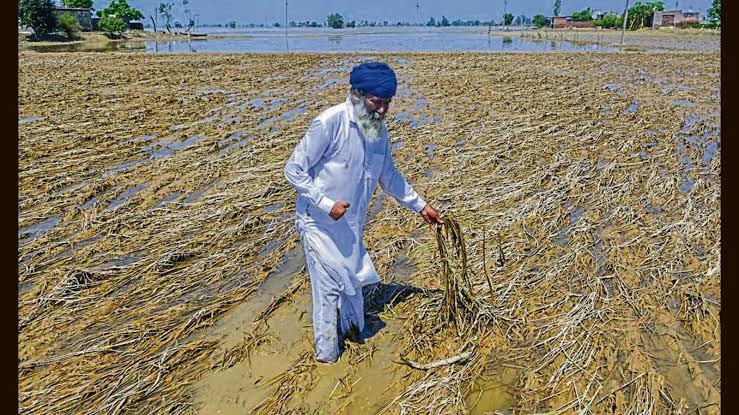
The Barpeta Agriculture sector has suffered a major setback after floods damaged more than 12,000 hectares of standing paddy crops in the district. According to the available information, extensive crop damage has affected farmers and raised concerns over agricultural losses during the ongoing flood situation in Assam.
Dibrugarh Erosion Destroys 15 Homes in Rohmoria
The Barpeta Agriculture crisis has intensified after floodwaters affected thousands of hectares of farmland across the district. According to the available information, over 12,000 hectares of standing paddy crops have been damaged, creating significant challenges for farming communities.
Agriculture remains a key source of livelihood for many rural families in Assam. Moreover, damage to standing crops can affect farmers’ incomes, food production, and seasonal agricultural planning.
The latest development highlights the wider impact of flooding beyond residential areas. Therefore, supporting affected farmers and assessing crop losses remain important priorities for authorities.
The situation also underlines the need for stronger agricultural resilience measures. Additionally, improved flood preparedness can help reduce the impact of future climate-related disruptions on farming communities.
Barpeta Agriculture Faces Major Paddy Crop Losses After Flooding
The Barpeta Agriculture sector has experienced significant damage as floodwaters affected large areas of cultivated land. According to the available information, more than 12,000 hectares of standing paddy crops have been impacted by the flooding.
Moreover, standing paddy crops require specific growing conditions and can suffer major losses when submerged for extended periods. Consequently, farmers often face financial difficulties when seasonal harvests are affected.
Flood-related crop damage creates challenges for rural communities that depend on agriculture for income and food security. Furthermore, timely assessment of affected farmland helps authorities understand the scale of losses and plan support measures.
The available information confirms the damage to over 12,000 hectares of paddy crops in Barpeta. However, authorities have not released details regarding the number of affected farmers, estimated financial losses, or compensation plans.
Authorities Assess Impact on Barpeta Agriculture Sector
The Barpeta Agriculture situation requires detailed assessment as officials evaluate the impact of flood damage on farming activities. Crop surveys help determine the extent of losses and identify areas requiring assistance.
Additionally, agricultural assessments allow authorities to plan recovery measures for affected farmers. This process supports better decision-making regarding relief support, crop restoration, and future farming strategies.
Flood-affected agricultural areas often require coordinated efforts between government departments, local administrations, and farming communities. Meanwhile, farmers continue facing challenges caused by damaged crops and disrupted agricultural activities.
The available information does not mention specific government assistance announced for affected farmers. Therefore, the current update focuses on the extent of paddy crop damage reported in Barpeta.
The situation remains under review as flood conditions continue to affect agricultural areas.
Barpeta Agriculture Highlights Need for Flood-Resilient Farming
The Barpeta Agriculture damage highlights the importance of developing stronger flood-resilient farming systems in vulnerable regions. Agricultural communities frequently face challenges from excessive rainfall, river flooding, and changing weather patterns.
Moreover, climate-resilient farming practices can help reduce risks associated with extreme weather events. Improved crop planning, water management, and disaster preparedness can support farmers during difficult conditions.
The destruction of more than 12,000 hectares of paddy crops demonstrates the economic impact of flooding on rural communities. Similarly, agricultural recovery requires long-term planning and continued support for affected farmers.
Strengthening agricultural resilience remains essential for protecting rural livelihoods. Consequently, the Barpeta Agriculture situation emphasizes the need for effective flood management, farmer assistance programs, and sustainable farming strategies.
As assessments continue, future updates may provide more information regarding crop loss evaluations, relief measures, and recovery efforts for affected agricultural communities.
Conclusion
The Barpeta Agriculture sector has faced a major challenge after floods damaged over 12,000 hectares of standing paddy crops. The incident highlights the serious impact of flooding on farming communities and rural livelihoods in Assam.
Furthermore, crop damage during critical growing periods can create financial difficulties for farmers and affect agricultural productivity. Continued assessment and timely support remain important for helping affected communities recover.
Overall, the Barpeta Agriculture situation reflects the broader challenges faced by flood-prone agricultural regions. As authorities evaluate the damage, future measures focused on farmer support and climate-resilient farming will remain important.
FAQs
1. What is the latest update on Barpeta Agriculture?
The Barpeta Agriculture sector has been affected after floods damaged more than 12,000 hectares of standing paddy crops.
2. Which crop was mainly affected in Barpeta?
According to the available information, standing paddy crops suffered major damage due to flooding.
3. How much farmland was damaged?
More than 12,000 hectares of paddy cultivation area were affected.
4. Have authorities announced compensation for farmers?
No. The available information confirms crop damage but does not mention specific compensation measures.
5. Why is crop damage a major concern for farmers?
Crop losses can affect farmers’ income, seasonal harvests, and overall agricultural stability.