







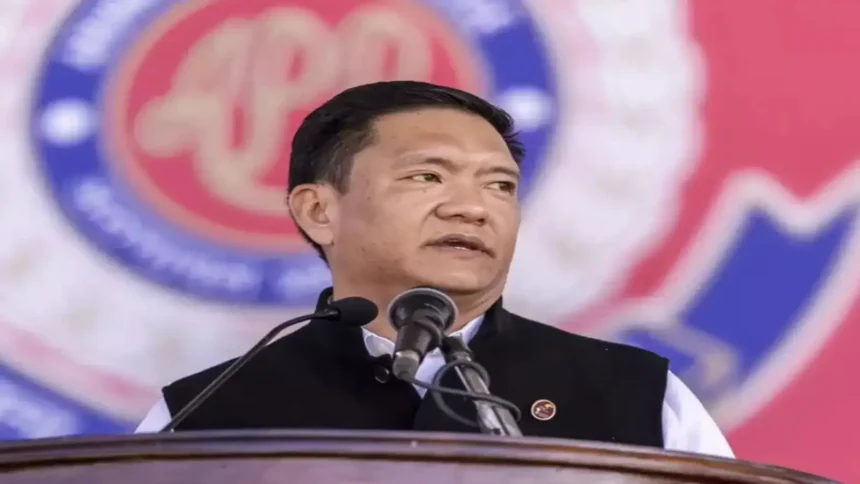
The Child Safety Coalition has gained renewed attention after Arunachal Pradesh Chief Minister Pema Khandu urged stakeholders to create a unified response to cross-border human trafficking. The appeal highlights the need for coordinated action to protect children and vulnerable people from trafficking networks.
The Child Safety Coalition approach emphasizes cooperation among government agencies, law-enforcement bodies, communities, and organizations working on child protection. Moreover, coordinated systems can help authorities identify risks, improve information sharing, and strengthen support for victims.
Human trafficking can involve complex networks that operate across administrative and international boundaries. Therefore, effective prevention requires cooperation between agencies rather than isolated action by individual departments.
The Chief Minister’s call also places child protection at the centre of broader anti-trafficking efforts. Additionally, awareness, early identification, safe reporting mechanisms, and victim support can complement enforcement measures.
Child Safety Coalition Focuses on Coordinated Protection
The Child Safety Coalition proposal centres on creating a unified approach to preventing cross-border human trafficking. According to the available information, Chief Minister Pema Khandu urged stakeholders to work together to strengthen protection mechanisms.
Moreover, trafficking cases can require coordination between police, child-protection authorities, border agencies, and social-service organizations. Consequently, stronger information sharing can help authorities respond more effectively to suspected trafficking activity.
Community awareness also plays an important role in protecting vulnerable people. Furthermore, families and local organizations can help identify warning signs and connect vulnerable individuals with appropriate authorities and support services.
The available information does not specify the exact structure of the proposed coalition, participating agencies, or a timeline for establishing the framework.
Child Safety Coalition Could Strengthen Cross-Border Coordination
The Child Safety Coalition concept highlights the importance of cooperation across jurisdictions. Cross-border trafficking can create challenges when investigations, victim protection, and legal procedures involve more than one administrative area.
Additionally, agencies can strengthen prevention by sharing relevant information through lawful and secure channels. This approach can help authorities identify patterns and respond to suspected trafficking networks.
Protecting children also requires a victim-centred approach. Meanwhile, authorities and support organizations can focus on ensuring that vulnerable individuals receive appropriate protection, healthcare, counselling, and legal assistance.
The available information does not confirm whether authorities have established a new operational mechanism following the Chief Minister’s appeal. Therefore, the proposal currently represents a call for unified action.
Child Safety Coalition Emphasizes Prevention and Community Awareness
The Child Safety Coalition proposal also draws attention to prevention. Public awareness programmes can help families and communities understand trafficking risks and identify legitimate channels for reporting concerns.
Moreover, prevention efforts can reduce vulnerability by improving access to education, information, and support services. Consequently, child-protection initiatives can work alongside law-enforcement measures.
Government agencies must also ensure that anti-trafficking actions protect the rights and dignity of victims. Similarly, investigations should follow established legal procedures while prioritizing the safety of children and vulnerable individuals.
A unified approach can become more effective when authorities coordinate prevention, investigation, rescue, rehabilitation, and long-term support. Therefore, the Child Safety Coalition call emphasizes a comprehensive response rather than relying on enforcement alone.
Conclusion
The Coalition initiative has gained attention after Arunachal Pradesh Chief Minister Pema Khandu urged a unified response to cross-border human trafficking.
Furthermore, stronger coordination among government agencies, law enforcement, communities, and child-protection organizations could improve prevention and victim support. The effectiveness of any future coalition will depend on clear responsibilities, sustained cooperation, and appropriate resources.
Overall, the Child Safety call highlights the importance of coordinated action to protect children and vulnerable people from cross-border trafficking.
FAQs
1. What is the latest Child Safety Coalition update?
The Child Safety Coalition update concerns Chief Minister Pema Khandu’s call for unified action against cross-border human trafficking.
2. Who made the appeal?
Arunachal Pradesh Chief Minister Pema Khandu made the appeal for stronger coordination.
3. Why is cross-border coordination important?
Trafficking networks can operate across jurisdictions, making cooperation between relevant authorities important for prevention and investigation.
4. Who could participate in a child-safety coalition?
Government departments, police, border agencies, child-protection authorities, community organizations, and relevant support groups could contribute.
5. What role can communities play?
Communities can help raise awareness, identify potential risks, and report suspected trafficking through appropriate official channels.

