





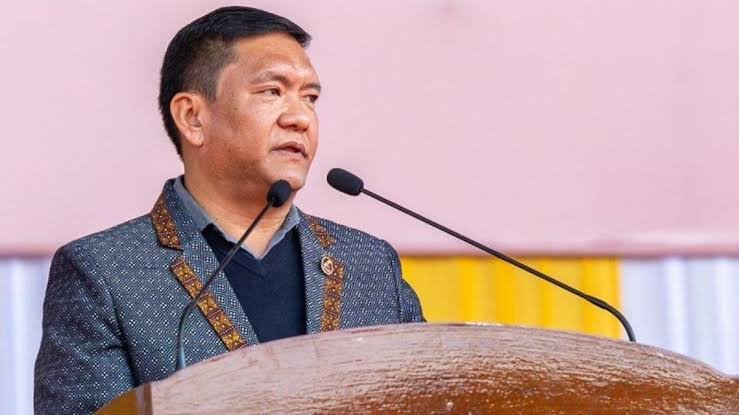
The Governance Decentralization drive in Arunachal Pradesh has gained momentum as the state government pushed its flagship ‘Sarkar Aapke Dwar’ programme to accelerate the handling of public grievances. The initiative aims to bring government services closer to residents and improve administrative responsiveness.
The Governance Decentralization approach focuses on taking officials and public services closer to communities instead of requiring residents to travel to distant government offices. Moreover, direct engagement can help authorities understand local concerns and address routine administrative issues more efficiently.
Public grievance systems play an important role in accountable governance. Therefore, programmes that provide residents with direct access to officials can help identify delays, service gaps, and unresolved administrative concerns.
The initiative also supports broader efforts to improve accessibility in a geographically challenging state. Additionally, taking government services closer to remote communities can help residents interact directly with departments responsible for essential services.
Governance Decentralization Brings Services Closer to Residents
The Governance Decentralization initiative builds on the ‘Sarkar Aapke Dwar’ programme, which seeks to bring government services and officials closer to the public.
Moreover, direct outreach can reduce the need for residents to make repeated trips to administrative centres. Consequently, people in remote areas may find it easier to submit grievances and seek information about government services.
The programme can also provide officials with a clearer understanding of local problems. Furthermore, direct interaction may help departments identify issues that require coordination across multiple government agencies.
The available information does not specify the number of grievances currently pending, the latest disposal rate, or the districts covered under the latest expansion.
Governance Decentralization Targets Faster Grievance Resolution
The Governance Decentralization effort places grievance resolution at the centre of the outreach programme. Authorities can use such initiatives to receive complaints, verify concerns, and direct cases to the appropriate departments.
Additionally, faster communication between residents and officials can reduce delays in routine administrative matters. This process can improve public confidence when authorities provide clear information about the status of submitted grievances.
The programme also offers an opportunity to identify recurring problems across communities. Meanwhile, departments can use feedback from public outreach programmes to improve service delivery and administrative procedures.
However, receiving grievances represents only one part of the process. Therefore, authorities must also ensure timely follow-up and resolution to achieve the programme’s intended impact.
Governance Decentralization Supports Remote-Area Administration
The Governance Decentralization programme has particular relevance for Arunachal Pradesh because of its dispersed settlements and challenging terrain. Bringing administrative services closer to communities can reduce geographical barriers to government access.
Moreover, outreach programmes can connect residents with multiple departments during a single engagement. Consequently, people can potentially address several administrative concerns without visiting different offices.
Local officials and community representatives can also help identify priority issues. Similarly, direct interaction can strengthen communication between government departments and residents in remote areas.
The long-term effectiveness of the programme will depend on regular outreach, adequate staffing, grievance tracking, and timely resolution. Therefore, the Governance Decentralization effort requires continued administrative follow-through.
Conclusion
The Governance Decentralization drive has advanced as Arunachal Pradesh expanded its flagship ‘Sarkar Aapke Dwar’ programme to expedite public grievance resolution.
Furthermore, bringing officials and services closer to residents can improve administrative accessibility, particularly for people living in remote areas. Continued monitoring of grievance disposal will remain important to measure the programme’s effectiveness.
Overall, the Governance Decentralization initiative highlights Arunachal Pradesh’s efforts to make public administration more accessible, responsive, and community-focused.
FAQs
1. What is the latest Governance Decentralization update?
The Governance Decentralization update concerns Arunachal Pradesh’s efforts to expand the ‘Sarkar Aapke Dwar’ programme and speed up public grievance handling.
2. What is ‘Sarkar Aapke Dwar’?
It is a government outreach programme designed to bring officials and public services closer to residents.
3. Why is the programme important for Arunachal Pradesh?
The state’s remote and geographically dispersed communities can face challenges accessing government offices, making local administrative outreach particularly useful.
4. Does the programme only handle complaints?
The programme can facilitate interaction with government departments and access to services in addition to addressing public grievances.
5. What will determine its success?
Timely grievance resolution, regular outreach, adequate staffing, effective tracking, and follow-up will determine the programme’s effectiveness.