





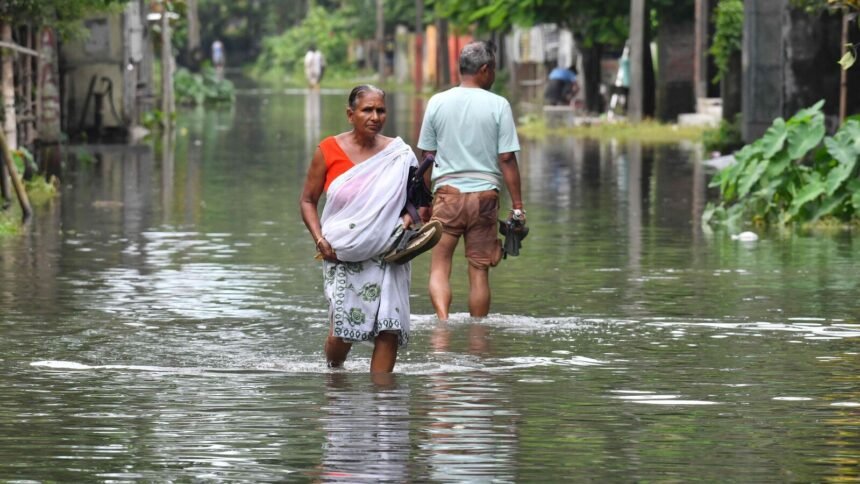
More than 1.68 lakh residents remain severely affected across 15 vulnerable districts in Assam amid the ongoing monsoon situation. The Affected Population figure highlights the scale of the crisis, with communities across multiple districts continuing to face serious disruption as authorities assess conditions and coordinate response and relief measures.
Outdated Infra Data: Experts Warn Obsolete Engineering Data
Affected Population Reaches Over 1.68 Lakh Across Assam
The Affected Population from the ongoing monsoon crisis has crossed 1.68 lakh residents across 15 vulnerable districts of Assam. The figure indicates the wide geographical reach of the situation and the number of people experiencing significant disruption.
Moreover, the impact across 15 districts creates a substantial challenge for local administrations. Authorities must coordinate their response across multiple locations while monitoring changing conditions in affected areas.
The latest figure also provides an important measure of the scale of the emergency. However, the available information does not provide a district-wise breakdown of the affected residents.
Meanwhile, officials continue to assess conditions and gather information from vulnerable areas. Therefore, the reported population figure may provide an important basis for organizing relief and support as the situation develops.
Affected Population Highlights Pressure on Vulnerable Districts
The Affected Population figure shows that the monsoon situation extends beyond isolated locations. With more than 1.68 lakh residents affected across 15 districts, authorities face the challenge of addressing needs across a broad area.
Furthermore, vulnerable districts often require coordinated planning during severe monsoon conditions. Local administrations may need to monitor communities, assess infrastructure, and coordinate essential services as circumstances change.
The large number of affected residents also demonstrates the importance of accurate field assessments. Consequently, authorities depend on verified information to understand which areas require attention and how resources should be distributed.
However, no additional details have been provided regarding the specific needs of individual communities. Therefore, conclusions about particular forms of damage or disruption should await official assessments.
As authorities continue gathering information, updated figures could provide greater clarity about the situation across the 15 districts.
Authorities Monitor the Affected Population Across 15 Districts
Monitoring the Affected Population remains an important part of the response to the monsoon situation. Officials need reliable information to track changing conditions and identify areas where residents may require assistance.
Additionally, monitoring helps authorities understand how the situation evolves across different districts. Weather conditions can change quickly during the monsoon, so regular assessments remain essential.
The involvement of 15 vulnerable districts also requires coordination between local and state-level agencies. Moreover, effective communication allows officials to share verified information and respond according to the latest assessments.
Authorities may also continue reviewing the number of affected residents as field teams provide updated reports. Consequently, the figure of more than 1.68 lakh should be understood as the current reported number based on the information available.
Further official updates could provide additional details about the status of communities across the affected districts.
Why the Affected Population Figure Matters
The Affected Population figure offers an important indication of the human scale of the monsoon crisis in Assam. More than 1.68 lakh residents across 15 districts represents a substantial number of people facing the consequences of the ongoing situation.
Moreover, population figures help authorities plan relief operations and prioritize vulnerable communities. Accurate assessments can support decisions regarding essential services and emergency response requirements.
The figure also highlights the importance of preparedness in districts that face recurring monsoon-related challenges. Similarly, timely weather monitoring and reliable communication can help authorities respond more effectively when conditions deteriorate.
However, the available information does not specify how many residents require immediate assistance or how many communities face particular types of disruption. Therefore, those details should not be inferred from the overall figure.
As assessments continue, additional official information will help establish a clearer picture of the situation and the requirements of affected communities.
Conclusion
The Affected Population in Assam has exceeded 1.68 lakh residents across 15 vulnerable districts, according to the information provided. The figure highlights the broad impact of the ongoing monsoon situation and the significant challenge facing authorities across multiple districts.
Furthermore, continued monitoring and accurate field assessments remain essential as officials respond to the situation. Reliable information can help authorities understand changing conditions and coordinate assistance according to verified needs.
Overall, the Affected Population figure underscores the scale of the monsoon crisis across Assam. As officials continue assessing affected areas, further updates could provide more information about the condition of communities and the ongoing response.
FAQs
1. How many residents are affected across Assam?
More than 1.68 lakh residents remain severely affected across 15 vulnerable districts, according to the information provided.
2. How many districts are affected?
The reported Affected Population is spread across 15 vulnerable districts of Assam.
3. What does the affected population figure indicate?
The figure indicates the broad human impact of the ongoing monsoon situation and shows that communities across multiple districts face significant disruption.
4. Could the number of affected residents change?
Yes. Authorities may revise the figure as officials conduct further assessments and receive updated information from affected areas.
5. Why is monitoring the Affected Population important?
Monitoring helps authorities assess the scale of the situation, identify vulnerable communities, and coordinate appropriate relief and response measures.