





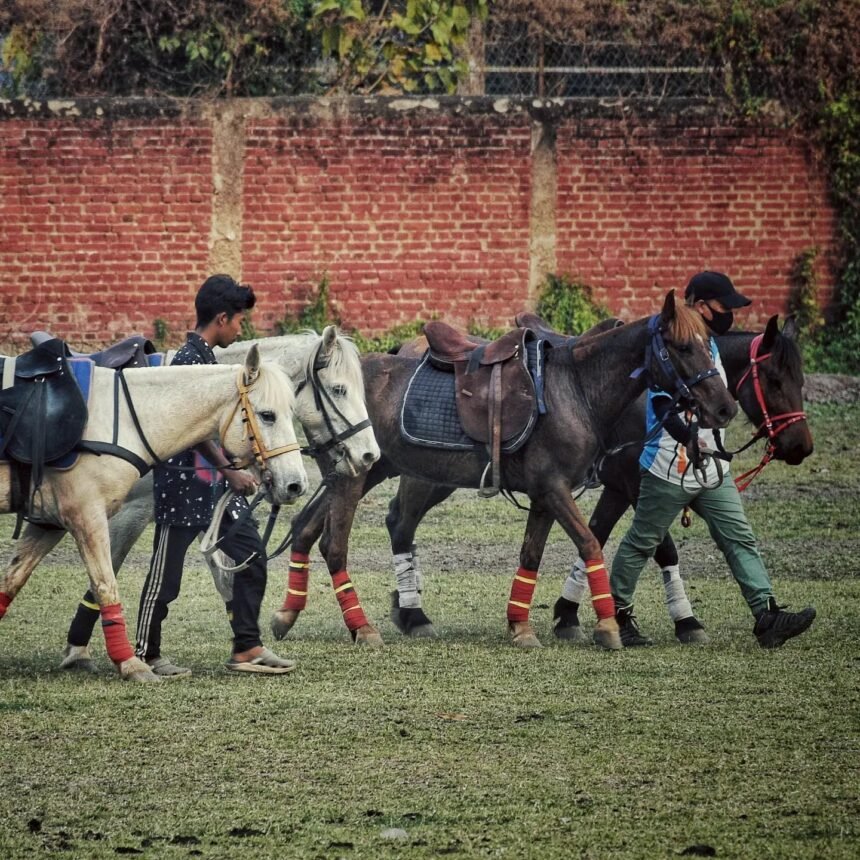
Manipur has introduced special conservation funding to protect the purebred Manipuri Pony and upgrade the historic Imphal Polo Ground, reinforcing the state’s long-standing connection with the sport of polo. The initiative seeks to preserve two important elements of Manipur’s cultural heritage while improving facilities associated with the traditional sport.
The Manipuri Pony holds a distinctive place in the state’s history, while Sagol Kangjei, the traditional form of polo associated with Manipur, remains closely connected to the region’s cultural identity. Moreover, investment in the Imphal Polo Ground can strengthen the infrastructure needed to showcase this heritage to residents and visitors.
The conservation effort also highlights the economic and cultural potential of polo tourism in Manipur. However, long-term preservation will require sustained funding, scientific veterinary care, responsible breeding, and continued protection of historic sporting spaces.
Fuel Transit Strike Warning: Transporters Threaten Supply Halt
Funds Support Manipuri Pony Conservation
The conservation package places special attention on the purebred Manipuri Pony, an important part of Manipur’s cultural heritage.
The breed has historically played a central role in the development of polo in the region. Additionally, its cultural significance extends beyond sport, as communities have maintained relationships with the pony through generations.
Conservation funding can support measures designed to protect the breed and maintain its population.
However, effective conservation requires more than financial assistance. Veterinary services, appropriate nutrition, scientific breeding programmes, and responsible ownership also remain essential.
Imphal Polo Ground Receives Attention
The funding package also targets improvements at the historic Imphal Polo Ground.
The ground represents an important part of Manipur’s sporting heritage and provides a setting for polo activities connected with the state’s traditions. Furthermore, improving its infrastructure can make the venue more suitable for sporting events, cultural programmes, and visitors.
Better facilities could strengthen the ground’s role as a heritage destination.
However, modern upgrades should preserve the site’s historical character while addressing contemporary safety and accessibility requirements.
Polo’s Deep Roots in Manipur
Manipur has a distinctive relationship with polo.
The traditional game, known locally as Sagol Kangjei, developed around horsemanship and the Manipuri Pony. Moreover, historical accounts have connected the sport to the region’s royal and community traditions.
This heritage gives Manipur a unique position in the global history of polo.
Therefore, conserving the pony and its historic playing ground supports more than a sporting activity. It also protects an important part of the state’s cultural story.
Purebred Pony Faces Conservation Challenges
Maintaining a healthy population of purebred Manipuri Ponies presents several challenges.
Changes in land use, declining grazing spaces, rising maintenance costs, and breeding pressures can affect the survival of traditional horse populations. Additionally, modern transportation and changing lifestyles have reduced the everyday role of horses in many communities.
Conservation programmes can help address some of these pressures.
However, long-term success depends on combining government support with participation from breeders, veterinarians, researchers, and local communities.
Heritage and Modern Infrastructure
Upgrading the Imphal Polo Ground creates an opportunity to combine heritage preservation with modern infrastructure.
Improved seating, maintenance, visitor facilities, safety arrangements, and basic amenities can make the venue more accessible. Furthermore, better infrastructure can support larger sporting and cultural events.
The challenge lies in ensuring that development does not compromise the site’s historical significance.
Therefore, conservation principles should guide any major renovation.
Polo Can Strengthen Cultural Tourism
Manipur’s polo heritage offers significant potential for cultural tourism.
Visitors interested in traditional sports, horses, history, and indigenous culture can experience a distinctive part of the state’s identity. Moreover, polo events can bring together athletes, tourists, researchers, and cultural organisations.
This could generate economic opportunities for local communities.
However, tourism development should remain responsible and should prioritise the welfare of the Manipuri Pony.
Economic Benefits for Local Communities
Heritage conservation can create opportunities beyond the sporting field.
Horse care, training, event management, tourism services, handicrafts, hospitality, and cultural programmes can all contribute to local economic activity. Additionally, larger polo events can attract visitors and increase demand for accommodation, transport, and food services.
The conservation programme could therefore support a wider heritage economy.
However, communities involved in maintaining the tradition should receive meaningful economic benefits.
Protecting Traditional Knowledge
The Manipuri Pony’s preservation also involves protecting knowledge associated with its care and use.
Traditional horsemanship, breeding practices, training techniques, and knowledge of local conditions form part of the broader cultural heritage. Furthermore, documenting these practices can help future generations understand the relationship between the pony and Manipuri society.
Scientific conservation can complement rather than replace traditional knowledge.
Therefore, local practitioners should have an important role in future conservation programmes.
Veterinary Care Remains Essential
Financial support can strengthen veterinary infrastructure for the Manipuri Pony.
Regular health monitoring, preventive care, nutrition programmes, and access to veterinary specialists can improve animal welfare. Moreover, scientific record-keeping can help conservation authorities monitor breeding patterns and population health.
These measures can make conservation more sustainable.
However, animal welfare must remain central to all sporting and breeding activities.
Preserving Imphal’s Sporting Heritage
The Imphal Polo Ground represents more than a sports facility.
Its historical association with polo makes it an important cultural site. Additionally, maintaining the ground can provide a permanent space where younger generations can learn about Manipur’s connection with the sport.
The venue could also become an important location for heritage education.
Therefore, infrastructure development can serve both present sporting needs and long-term cultural preservation.
Opportunities for Young Players
Improved polo facilities could encourage greater participation among young people.
Training programmes can introduce new generations to traditional horsemanship and polo. Furthermore, structured coaching can help talented players participate in regional, national, and international competitions.
This can keep the tradition active rather than treating it solely as a historical legacy.
However, training programmes should also emphasise responsible horse care and welfare.
Global Recognition for Manipur Polo
Manipur’s polo tradition provides the state with a distinctive international cultural identity.
Global polo communities may have opportunities to engage with Manipur through tournaments, exhibitions, cultural exchanges, and research. Moreover, international attention could increase awareness of the Manipuri Pony and its historical importance.
Such engagement could support conservation efforts.
However, commercial or international promotion should continue to respect the traditional character of the sport.
Conservation Requires Long-Term Planning
A one-time funding package can provide important momentum, but heritage conservation requires continuity.
Authorities may need to establish long-term breeding programmes, maintain dedicated veterinary support, protect grazing areas, and regularly invest in heritage infrastructure. Additionally, monitoring population trends can help identify conservation risks early.
A coordinated strategy can therefore provide stronger results.
However, collaboration among government departments, local communities, breeders, sporting organisations, and conservation experts will remain essential.
What Happens Next?
The focus will now shift toward implementing the conservation and infrastructure measures.
Authorities can use the funding to strengthen pony conservation programmes and improve facilities at the Imphal Polo Ground. Moreover, future polo events could provide opportunities to showcase the state’s heritage and attract visitors.
The initiative could also encourage broader discussions about protecting Manipur’s traditional sports.
However, measurable conservation outcomes will depend on implementation, monitoring, and continued financial support.
Conclusion
The Manipur Polo Heritage Funds initiative places the Manipuri Pony and Imphal Polo Ground at the centre of efforts to preserve the state’s distinctive sporting heritage. By supporting pony conservation and upgrading a historic polo venue, the programme can strengthen both cultural preservation and modern sporting infrastructure.
Moreover, the initiative could create opportunities for heritage tourism, youth training, local employment, and international cultural engagement. At the same time, successful conservation will require sustained attention to breeding, veterinary care, animal welfare, traditional knowledge, and the protection of historic spaces.
Overall, investment in Manipur’s polo heritage can help ensure that the Manipuri Pony and the traditions surrounding Sagol Kangjei remain an active part of the state’s cultural identity for future generations.
FAQs
1. Why is the Manipuri Pony important?
The Manipuri Pony has a long-standing connection with Manipur’s traditional polo culture and forms an important part of the state’s sporting heritage.
2. What is Sagol Kangjei?
Sagol Kangjei is the traditional form of polo associated with Manipur and its historic horsemanship traditions.
3. Why is the Imphal Polo Ground significant?
The Imphal Polo Ground is an important historic sporting venue connected with Manipur’s long association with polo.
4. How can conservation funding help the Manipuri Pony?
Funding can support veterinary care, responsible breeding, nutrition, population monitoring, and other measures designed to protect the breed.
5. Can polo heritage support tourism?
Yes. Manipur’s distinctive polo history, traditional horsemanship, and Manipuri Pony can provide opportunities for cultural and heritage tourism when developed responsibly.