



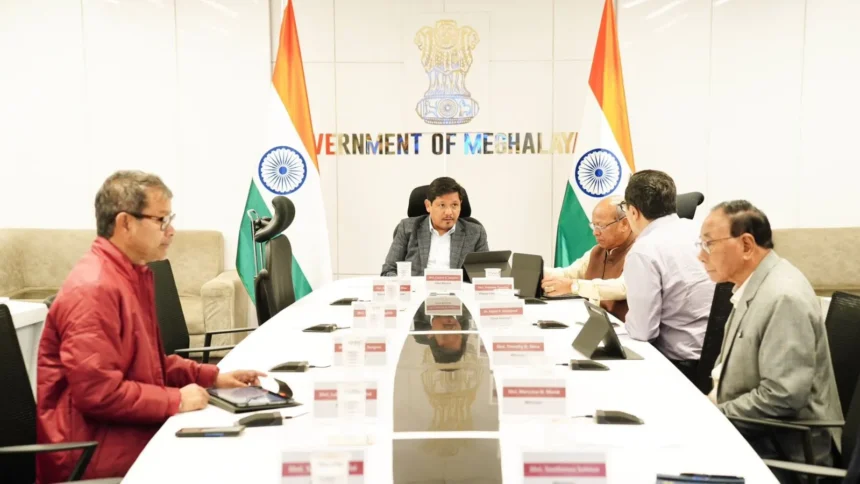
The Meghalaya Community & Rural Development Department has formed a multi-departmental taskforce to coordinate flag distribution across remote Khasi and Garo hamlets. The initiative aims to ensure that communities in difficult-to-reach areas receive flags as part of the state’s wider preparations for upcoming patriotic and public-awareness programmes.
The taskforce will bring together officials from multiple departments to coordinate supplies, transportation, and local distribution. Moreover, the multi-tier approach can help authorities reach settlements located far from major roads and administrative centres.
The initiative highlights the logistical challenges involved in delivering government-supported materials across Meghalaya’s mountainous terrain. However, successful implementation will depend on coordination between state departments, district administrations, local authorities, and community representatives.
Imphal-Dimapur Interstate Passenger Service Set to Return
Meghalaya Creates Multi-Tier Taskforce
The Meghalaya Community & Rural Development Secretary has initiated the formation of the taskforce to manage flag distribution across remote areas.
A multi-departmental structure can allow different government agencies to coordinate responsibilities rather than relying on a single department. Furthermore, district-level officials can work with local administrative teams to identify settlements and organise deliveries.
This approach can improve coverage across geographically dispersed communities.
However, officials will need clear responsibilities and communication channels to prevent delays.
Remote Khasi and Garo Hamlets Targeted
The initiative focuses on remote settlements inhabited by Khasi and Garo communities.
Many villages lie in hilly or forested areas, where transportation can require additional planning. Moreover, some hamlets may have limited road connectivity, making conventional delivery methods more difficult.
The taskforce can therefore help authorities coordinate last-mile distribution.
However, local conditions can vary significantly between villages, requiring flexible delivery arrangements.
Geography Creates Logistical Challenges
Meghalaya’s terrain can complicate the movement of supplies.
Hilly roads, monsoon conditions, long distances, and limited connectivity can increase travel times. Additionally, some remote settlements may require smaller vehicles or local assistance to complete the final part of a delivery.
The taskforce structure can help officials account for these challenges.
However, weather conditions and road accessibility may continue to affect distribution schedules.
Community Development Officials Coordinate
The Community & Rural Development Department plays an important role in connecting government programmes with rural communities.
Its administrative network can help officials communicate with local institutions and village-level representatives. Furthermore, coordination with district authorities can help identify the number and location of targeted settlements.
This information can support more efficient distribution planning.
However, accurate village-level data remains essential for preventing shortages or duplication.
Multi-Department Coordination Improves Coverage
Different departments can contribute different logistical resources.
Officials responsible for rural development, administration, transportation, and local coordination can work together to move materials from central distribution points to remote settlements. Moreover, shared planning can reduce duplication and improve the use of available transport resources.
This can strengthen last-mile delivery.
However, coordination requires regular communication and clear accountability.
Local Representatives Can Support Distribution
Village-level representatives can assist government teams in identifying households and community locations.
Local knowledge can help officials determine practical routes and suitable distribution points. Additionally, community representatives can communicate delivery schedules to residents and report logistical problems.
This can make distribution more efficient.
However, officials should maintain transparent distribution procedures to ensure that all targeted communities receive the intended materials.
Flags to Reach Difficult Locations
The taskforce’s central objective involves extending flag distribution beyond easily accessible areas.
Authorities can use district-level supply centres and local networks to move materials closer to remote communities. Furthermore, teams can coordinate deliveries according to road conditions and settlement accessibility.
This approach can help reduce gaps between urban and remote areas.
However, authorities must carefully monitor inventories to ensure sufficient supplies throughout the distribution process.
Rural Outreach Supports Wider Participation
Government-backed public programmes often depend on effective rural outreach.
Ensuring that remote communities receive necessary materials can allow residents to participate in statewide initiatives. Moreover, inclusive distribution can help ensure that geographic isolation does not prevent communities from joining public programmes.
This can strengthen participation across the state.
However, participation should remain voluntary and respectful of local community practices.
Khasi and Garo Areas Require Local Coordination
Meghalaya’s diverse communities have different geographic and administrative circumstances.
Officials can work with local representatives to understand the needs of individual settlements. Additionally, community-level coordination can reduce misunderstandings and ensure that distribution teams reach the correct locations.
This can improve the effectiveness of the taskforce.
However, authorities should communicate plans clearly and respect established local administrative structures.
Digital Mapping Could Help
Modern mapping tools can support planning for remote distribution.
Officials can use digital maps and geographic information systems to identify settlements, roads, and potential delivery routes. Furthermore, mapping can help teams prioritise areas that require additional logistical support.
This can improve route planning.
However, digital maps should complement rather than replace local knowledge about road conditions and accessibility.
Monitoring Will Be Important
The taskforce will need a system to track distribution progress.
Officials can record supplies dispatched, villages reached, and remaining requirements. Moreover, regular reporting can help senior officials identify areas where additional support is necessary.
This can improve accountability.
However, monitoring systems must remain simple enough for field teams to maintain accurately.
What Happens Next?
The taskforce will coordinate the movement and distribution of flags across targeted remote settlements.
District and local officials can identify priority areas and organise deliveries based on accessibility. Furthermore, community representatives can help confirm receipt and communicate any remaining requirements.
Authorities can then review coverage and address gaps.
However, the pace of implementation will depend on transportation, weather, supplies, and coordination between departments.
Conclusion
The Meghalaya multi-departmental taskforce represents an effort to extend flag distribution to remote Khasi and Garo hamlets across the state. By bringing multiple departments together, authorities can coordinate transportation, rural outreach, local communication, and last-mile delivery more effectively.
Moreover, the initiative recognises the logistical difficulties created by Meghalaya’s mountainous geography and dispersed settlements. At the same time, local participation and transparent monitoring will remain important for ensuring that distribution reaches all targeted communities.
Overall, the taskforce could strengthen rural outreach and help remote settlements participate in the state’s wider public programmes while demonstrating the importance of coordinated administration in geographically challenging areas.
FAQs
1. Why did Meghalaya form the taskforce?
The taskforce aims to coordinate flag distribution across remote Khasi and Garo hamlets that can be difficult to reach because of terrain and connectivity challenges.
2. Which department initiated the taskforce?
The initiative comes from the Meghalaya Community & Rural Development Department.
3. Why are remote hamlets difficult to reach?
Mountainous terrain, limited road connectivity, long travel distances, and weather conditions can complicate transportation to remote settlements.
4. Can local communities assist the taskforce?
Yes. Local representatives can help officials identify settlements, communicate delivery schedules, and report logistical challenges.
5. How can authorities monitor distribution?
Officials can track supplies, deliveries, villages reached, and outstanding requirements through district-level reporting and field coordination.