





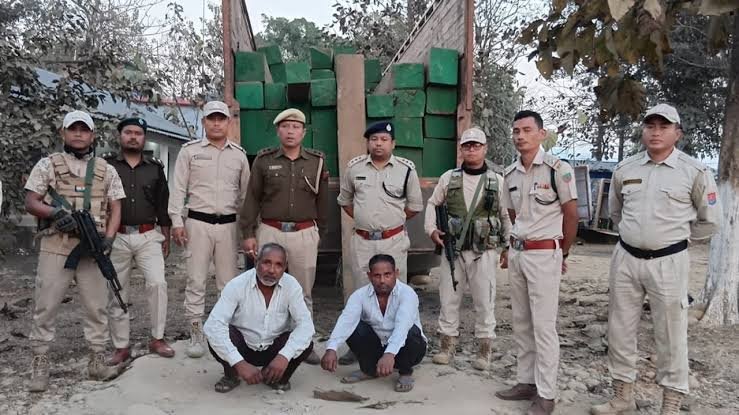
Authorities have reportedly arrested Naorem Priyokumar Singh in Naorem Mayai Leikai while he allegedly collected illegal taxes from commercial trucks. The reported arrest has drawn attention to efforts to prevent unauthorised collections from transport operators and commercial vehicles.
The incident highlights concerns surrounding illegal taxation and extortion along transport routes. Moreover, unauthorised collections can increase costs for truck operators and create additional pressure on businesses that depend on regular movement of goods.
The arrest could form part of broader enforcement efforts against illegal revenue collection. However, the allegations remain subject to the legal process, and the accused is entitled to due process and the presumption of innocence.
LiDAR Mapping Initiated: Airborne Survey Targets Dense Forests
Naorem Priyokumar Singh Arrested
Naorem Priyokumar Singh was reportedly apprehended in Naorem Mayai Leikai while allegedly collecting money from commercial trucks.
Authorities reportedly acted during the alleged collection activity. Furthermore, the reported arrest highlights enforcement efforts targeting individuals accused of demanding unauthorised payments from transport operators.
The case could now proceed through the appropriate legal channels.
However, the final determination of guilt rests with the court.
Commercial Trucks Targeted
The alleged activity involved commercial trucks operating through the area.
Truck operators often transport essential goods between markets, warehouses, businesses, and distribution centres. Additionally, unauthorised payments can raise operating costs and create uncertainty for transport companies.
This can have wider implications for regional trade.
However, the precise number of trucks allegedly involved has not been provided.
Illegal Tax Collection Raises Concern
Unauthorised collections from commercial vehicles can create significant challenges for transport operators.
Drivers may face pressure to make payments at different points along a route. Moreover, repeated collections can increase transportation costs and complicate logistics planning.
Authorities therefore treat unauthorised taxation as a matter requiring enforcement attention.
However, the specific allegations in this case must be established through investigation and judicial proceedings.
Arrest Reportedly Took Place During Collection
The reported arrest occurred while Singh was allegedly engaged in collecting payments.
An arrest made during an alleged offence can allow investigators to gather relevant evidence and statements. Furthermore, authorities can examine whether the accused acted alone or had connections with a wider network.
The investigation could therefore determine the broader circumstances surrounding the case.
However, details about evidence recovered during the operation have not been provided.
Transporters Could Face Financial Pressure
Illegal taxation can directly affect commercial vehicle operators.
Additional payments increase the cost of moving goods and can reduce the margins available to transport businesses. Additionally, operators may face delays if disputes arise over unauthorised demands.
Such practices can therefore affect the wider supply chain.
However, the financial impact of this particular incident remains unclear.
Enforcement Efforts Focus on Illegal Collections
The reported arrest demonstrates the role of law-enforcement agencies in addressing alleged extortion.
Authorities can investigate complaints, identify individuals involved, and take action under applicable laws. Moreover, targeted enforcement can discourage unauthorised collections along important transport routes.
This can improve confidence among commercial operators.
However, effective enforcement requires continued monitoring rather than isolated action.
Local Area Under Attention
The incident reportedly occurred in Naorem Mayai Leikai.
Local enforcement can be important in areas where commercial traffic passes through regularly. Furthermore, residents and transport operators can provide information about recurring illegal collection practices to the authorities.
Such information can support investigations.
However, no broader pattern in the area has been established by the reported arrest alone.
Legal Process Will Determine Outcome
Following an arrest, investigators must follow established legal procedures.
Authorities may record statements, collect evidence, and present the case before the appropriate court. Additionally, the accused has the right to defend against the allegations through the judicial process.
The court will ultimately determine the legal outcome.
However, an arrest should not be treated as proof of guilt.
Broader Impact on Goods Movement
Commercial trucks play an important role in maintaining supply chains.
Unauthorised taxation can affect the cost and reliability of transporting food, construction materials, consumer products, and other goods. Moreover, repeated disruptions can create additional expenses for businesses and consumers.
Preventing such practices can therefore support smoother commercial activity.
However, the extent of any wider impact from this incident remains unknown.
Authorities May Investigate Possible Connections
Investigators may examine whether the reported collection involved other individuals.
Authorities could review communications, financial transactions, witness accounts, and other relevant evidence where legally appropriate. Furthermore, investigators may determine whether similar incidents occurred previously.
Such inquiries could establish whether the case represents an isolated incident or part of a wider pattern.
However, no wider network has been established based on the information currently available.
What Happens Next?
The case is expected to proceed through the relevant investigative and judicial procedures.
Authorities may continue gathering evidence and recording statements related to the alleged illegal collection. Moreover, investigators could examine whether additional complaints involve the same individual or location.
Further developments will depend on the investigation and court proceedings.
However, the accused remains entitled to due process throughout the case.
Conclusion
The reported extortion arrest of Naorem Priyokumar Singh in Naorem Mayai Leikai highlights continuing concerns over unauthorised collections from commercial vehicles. Authorities reportedly apprehended Singh while he allegedly collected illegal taxes from trucks operating in the area.
Moreover, effective action against unauthorised taxation can help protect transport operators and reduce additional costs within the supply chain. At the same time, the allegations must undergo proper investigation and judicial scrutiny before any final conclusion about guilt.
Overall, the extortion arrest underscores the importance of enforcing laws against illegal collections while ensuring that the legal rights of the accused remain protected throughout the judicial process.
FAQs
1. Who was arrested?
Authorities reportedly arrested Naorem Priyokumar Singh in Naorem Mayai Leikai.
2. What was he allegedly doing?
He was reportedly caught while collecting unauthorised payments from commercial trucks.
3. Why is illegal truck taxation a concern?
Unauthorised payments can increase transportation costs and disrupt the movement of commercial goods.
4. Does the arrest prove guilt?
No. An arrest represents an allegation or investigative action. The court must determine guilt through due legal process.
5. What happens next?
Investigators are expected to follow the appropriate legal procedures while the case proceeds through the judicial system