




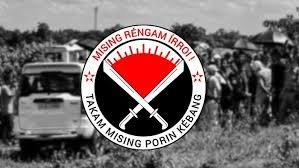
The Assam-Arunachal blockade was temporarily suspended on Thursday after talks between the Assam government and the Takam Mising Porin Kebang (TMPK) over the recent border firing incident.
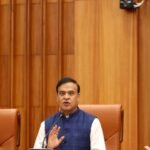
The decision followed a meeting between Assam Cabinet Minister Atul Bora and TMPK representatives. The organisation said the discussions were positive and that the government had accepted its key demands. However, the group warned that the blockade could resume if arrests are not made within 48 hours.
The protest began on Wednesday after a firing incident along the Assam-Arunachal Pradesh border left several people from Assam injured. The dispute has increased tensions in border areas and prompted calls for immediate action.
TMPK seeks arrests within 48 hours
The Assam-Arunachal blockade was launched by TMPK along with the Mising Mimag Kebang (MMK) and Takam Mising Mahila Kebang (TMMK). The groups stopped vehicles travelling between the two states at several entry points, while allowing emergency and school transportation.
TMPK has demanded the arrest of those allegedly responsible for the firing. According to reports, the organisation has set a 48-hour deadline for action. If the accused are not arrested within that period, TMPK has warned that the economic blockade will continue or resume.
The demand comes amid competing accounts of the August 10 incident. People from Assam have alleged that firing took place from the Arunachal side during a confrontation linked to land encroachment. Authorities are still investigating the circumstances.
Government promises investigation
During the talks, the Assam government said a case had already been registered by Assam Police. Bora also said Arunachal Pradesh Chief Minister Pema Khandu had assured that the firing would be investigated properly and impartially.
The Assam government has also appealed for peace and restraint in the border areas. It urged all sides to avoid actions that could damage relations between people living in Assam and Arunachal Pradesh.
Meanwhile, the government has decided to resume discussions with Arunachal Pradesh on long-running inter-state boundary issues. Bora said joint regional committees would again be used for dialogue and efforts to find an amicable solution.
Fresh clash adds to border tension
The Assam-Arunachal blockade came as tensions remained high after a fresh confrontation at the Likabali entry point in Assam’s Dhemaji district on Thursday.
According to an Assam government official quoted by The New Indian Express, protesters enforcing the blockade were involved in a scuffle after stone-pelting was reported. Arunachal Pradesh Police then fired three rounds into the air to disperse the crowd.
The incident occurred a day after the economic blockade began. Reports said the protest was triggered by the alleged injury of people from Assam in firing near the inter-state boundary. The precise sequence of events remains under investigation, and allegations from either side have not been independently established.
The developments have raised concerns over the impact of prolonged protests on transport, trade and movement between the neighbouring states.
Border dialogue remains important
The Assam-Arunachal blockade has also brought renewed attention to the longstanding boundary dispute between the two states. Assam and Arunachal Pradesh have several areas where competing claims and local disputes have contributed to periodic tensions.
However, the latest talks have opened a channel for authorities and community representatives to address the immediate crisis without further escalation. The Assam government has stressed dialogue, while TMPK has made clear that it expects concrete police action.
For now, the suspension provides some space for authorities to investigate the firing and respond to the demands. Nevertheless, the 48-hour deadline means the situation remains sensitive.
The Assam-Arunachal blockade could therefore become active again if TMPK believes the promised action has not been taken. Both governments will need to balance the investigation with efforts to prevent further clashes and maintain normal movement along the border.