



Manipur trust deficit remains a major challenge in the state as Chief Minister Yumnam Khemchand Singh urged Meitei and Kuki communities to move beyond the violence and rebuild relations.
Speaking during a visit to Kangpokpi district on Friday, September 4, Singh said people from both communities have suffered similar pain. He appealed to them to “forgive and forget” and work together to create a peaceful future for the younger generation.
Khemchand calls for trust-building
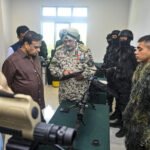
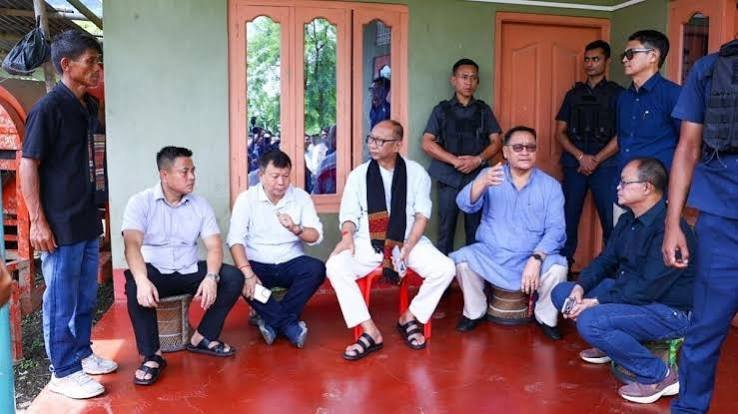
Singh made the appeal during a visit to L Champhai village in Kangpokpi to inspect an ongoing water supply project. He also attended a public interaction programme at Christian Center Church in Leimakhong.
During the interaction, the chief minister spoke about families who were forced to leave their homes during the prolonged crisis. He said his discussions with internally displaced people from both the Meitei and Kuki communities showed a shared desire to return home.
The chief minister said the suffering caused by the crisis has affected people on both sides. Therefore, he stressed that rebuilding trust must remain central to efforts to restore normal life.
Manipur trust deficit linked to prolonged conflict
The Manipur trust deficit has developed after the ethnic violence that erupted on May 3, 2023. The conflict caused widespread displacement and sharply affected relations between communities in the hills and valley.
In February, Singh had already identified the trust gap as a key challenge to rehabilitation. He appealed to internally displaced people and civil society organisations in both areas to support efforts aimed at restoring confidence and enabling displaced families to return home.
Moreover, the government’s engagement with the Kuki-Zo Council in March was described by Singh as a first step towards addressing the Manipur trust deficit. The meeting in Guwahati was the first such engagement between the state government and the umbrella Kuki-Zo body since the violence began.
Dialogue seen as a path forward
Singh has repeatedly linked dialogue with the restoration of normalcy. In March, he said rebuilding trust would take time and urged communities to look beyond the past.
The latest appeal in Kangpokpi continues that approach. Rather than focusing only on security measures, the chief minister stressed reconciliation and cooperation between communities.
At the same time, the government faces the practical challenge of helping displaced people return safely and rebuild their livelihoods.
Resettlement remains a major challenge
The call for reconciliation comes as the state continues its efforts to resettle people displaced by the conflict. In the Assembly this week, Singh said around 36,000 of approximately 60,000 internally displaced people had been resettled.
However, about 24,000 people were still living in relief camps across the state, according to figures presented by the chief minister. The government was also continuing financial assistance for around 59,000 displaced people, including some who have returned but still face livelihood difficulties.
These figures underline why rebuilding trust remains important. Resettlement is not only about houses and financial support. People also need confidence that they can travel, work and live safely in areas affected by the conflict.
A shared future for Manipur
The Manipur trust deficit continues to affect the state’s path towards lasting peace. Singh has argued that people from different communities share the same desire for security, stability and a return to their homes.
During Friday’s interaction, he urged people to reject violence and avoid actions that could cause further hardship. He also appealed to communities to work for a peaceful environment for young people.
Meanwhile, the government is pursuing development work in areas affected by the conflict. During the Kangpokpi visit, officials said repairs to a key water supply pipeline were expected to be completed within a month, after which potable water supply to the affected area would be restored.
For Manipur, rebuilding trust will likely require sustained dialogue, safe movement, rehabilitation and cooperation at the community level. Singh’s appeal to forgive, reject violence and look towards the future adds another call for reconciliation as the state continues its difficult recovery.