



India-China ties have come under renewed scrutiny after Congress leader Aminul Islam questioned whether the 2026 BRICS Summit delivered meaningful progress on key concerns between New Delhi and Beijing.
Speaking in Guwahati, Islam asked whether the summit addressed the 2020 Galwan Valley clash and other issues linked to India-China relations. He also questioned whether India raised concerns related to the Brahmaputra and wider strategic interests.
BRICS talks put ties under spotlight
The questions came as India hosted the 18th BRICS Summit in New Delhi on September 12 and 13. The meeting brought together leaders of the expanded grouping, with India seeking greater cooperation on global governance, trade, technology, energy and other shared priorities.
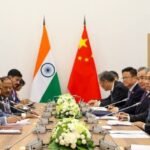
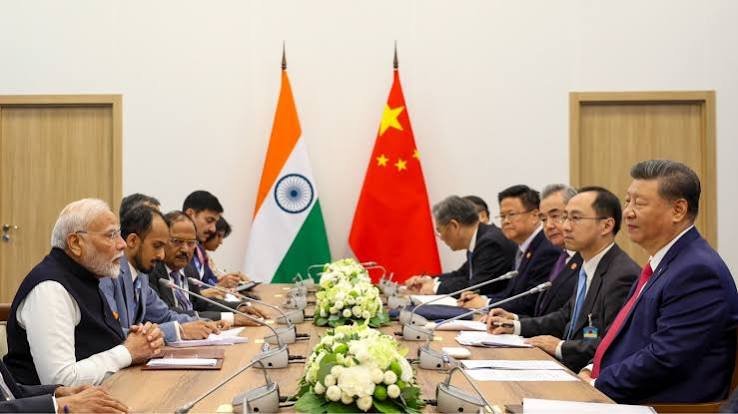
The summit also provided a high-level setting for Prime Minister Narendra Modi and Chinese President Xi Jinping to discuss bilateral relations. Their meeting marked Xi’s first visit to India in seven years and highlighted the importance of managing a relationship still shaped by the 2020 border crisis.
India-China ties show cautious movement
India-China ties have seen limited improvement since the military disengagement process along parts of the disputed border. Recent diplomatic contacts have also expanded, including talks between senior officials and efforts to restore institutional exchanges.
Modi and Xi said differences should not become disputes and stressed the need for peace along the border. India has also pushed for mutual respect, sensitivity and mutual interest as the basis for further engagement.
However, the progress remains cautious. Border negotiations are unresolved, while trade imbalances, market access and other economic concerns continue to influence the relationship. Reuters reported that bilateral trade reached a record $155.6 billion in 2025, but India continued to face a large trade deficit with China.
What Aminul Islam questioned
Islam’s remarks focused on whether diplomatic meetings are translating into concrete outcomes for India. He questioned whether the BRICS discussions had produced substantive answers on the Galwan episode and the broader state of India-China ties.
He also raised the issue of the Brahmaputra, saying its water level had fallen by 40 per cent since 2022. That figure was presented as Islam’s claim and should not be treated as an independently established fact without supporting hydrological evidence.
The Congress leader further questioned whether India discussed the Strait of Hormuz with Iran’s president during the summit. His comments therefore extended beyond China to the wider strategic and economic issues facing India.
BRICS agenda faces competing priorities
The debate reflects the broader challenge before BRICS. The expanded grouping includes countries with different strategic interests, so reaching common positions can be difficult.
India has sought to use its BRICS chairship to promote practical cooperation while maintaining strategic autonomy. The summit agenda included global governance reform, multilateralism, food and energy security, trade, investment and technology.
China, meanwhile, has promoted deeper economic and political cooperation within what it calls a larger BRICS framework. The two countries can cooperate in multilateral forums even while disagreements continue on the border and in other areas.
The distinction matters because diplomatic symbolism and practical progress are not always the same. A summit can create space for dialogue, but lasting improvement requires follow-up through established channels and verifiable steps.
For Assam and the wider Northeast, these questions also have regional significance because China-related security and river issues remain sensitive.
India-China ties still need measurable results
For India-China ties, the key test now is whether recent diplomatic engagement can produce sustained results. Better communication and restored exchanges can reduce tensions, but they do not by themselves resolve long-standing disputes.
The Modi-Xi meeting showed that both sides see value in stabilising relations. At the same time, India has continued to underline the importance of border peace before a full normalisation of ties.
Islam’s questions add a political challenge to that diplomatic process. By asking what India gained from the BRICS Summit, he has put the focus on outcomes rather than meetings alone.
Ultimately, the success of the latest engagement will depend on what follows the summit. Progress on border management, trade, travel, communication and other practical areas will offer a clearer measure of whether India-China ties are genuinely improving.
Tripura Tea Export Resurgence Targets European Organic Markets