




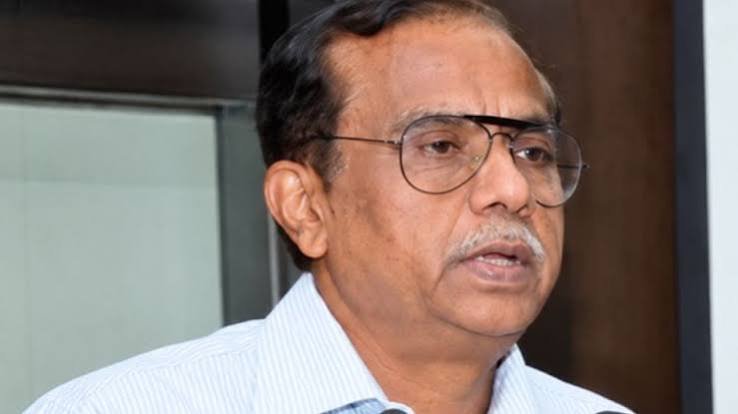
Ajit Lal now leads the Centre’s efforts to advance the Indo-Naga political talks, marking a new phase in the long-running peace process. The Government of India has appointed the retired IPS officer as its new interlocutor for negotiations with Naga political groups.
Lal brings previous experience to the role. He served as chairman of the Joint Intelligence Committee and has worked closely on matters involving national security and the Northeast. His return to the talks comes as the Centre considers greater political involvement in the negotiations.
Ajit Lal returns to the Naga talks
Ajit Lal, a 1974-batch retired IPS officer, previously handled the interlocutor’s role between March and July 2014. The Centre later appointed R N Ravi to lead the negotiations.
Lal also took charge as Northeast Adviser to the Union Home Ministry in February 2026. His new assignment therefore places an experienced security and policy official at the centre of a process that has continued for decades.
According to reports, the Centre wants Lal to engage with Naga representatives and help move discussions forward. His previous exposure to the negotiations could also help him understand the issues that have shaped the dialogue.
Naga peace process enters another phase
The Naga peace process reached a major milestone in 2015 when the Centre and the NSCN (IM) signed the Framework Agreement. The agreement established broad parameters for a political settlement after years of negotiations.
However, the talks have continued because the negotiating sides still need to resolve several complex issues. The process also involves more than one Naga political organisation, creating additional challenges for a comprehensive settlement.
The Centre has held separate discussions with different Naga groups over the years. It has also maintained that any final arrangement must consider the interests of stakeholders in Nagaland and neighbouring northeastern states.
As a result, Ajit Lal faces the task of maintaining dialogue across competing positions while keeping negotiations focused on a political settlement.
NSCN (IM) backs Ajit Lal appointment
The NSCN (IM) has welcomed Ajit Lal’s appointment. In a statement issued on September 24, the group described the development as encouraging and linked it to what it sees as renewed seriousness from the Centre.
The group also welcomed reports that a Union minister or a group of Union ministers could join the negotiation framework. According to the NSCN (IM), direct political involvement could help accelerate the talks and create momentum towards a settlement.
The organisation also acknowledged the role of the Nagaland government under Chief Minister Neiphiu Rio in facilitating the political dialogue.
The response gives Lal an early indication of how one of the principal negotiating groups views the new arrangement. Other stakeholders, however, will shape the next stage of the process.
Ajit Lal faces difficult political issues
Ajit Lal takes charge at a time when the Naga talks involve longstanding political demands and multiple stakeholders. He must therefore maintain communication with different groups while helping the Centre navigate sensitive areas of disagreement.
The 2015 Framework Agreement remains central to the NSCN (IM)-Centre dialogue. Yet the two sides have continued to discuss the details of a final settlement.
Meanwhile, other Naga groups have pursued their own negotiations with the Centre. This creates a demanding political environment for any interlocutor seeking broader convergence.
Lal’s earlier experience could prove useful as he begins renewed engagement. However, the talks will ultimately depend on the positions that the negotiating sides bring to the table.
New interlocutor takes forward peace efforts
The Centre’s decision to appoint Ajit Lal gives the Indo-Naga political talks a new interlocutor with prior experience of the process. It also comes alongside reports of possible greater involvement by Union ministers.
That combination could change the structure and pace of future discussions. However, the appointment itself does not signal a final agreement.
The next stage will depend on sustained negotiations between the Centre and Naga representatives. Lal must now turn renewed political attention into continued dialogue and work through the issues that have kept the peace process unresolved.
For Nagaland and the wider Northeast, the focus will remain on whether the new arrangement can carry the negotiations towards a political settlement acceptable to the parties involved.