





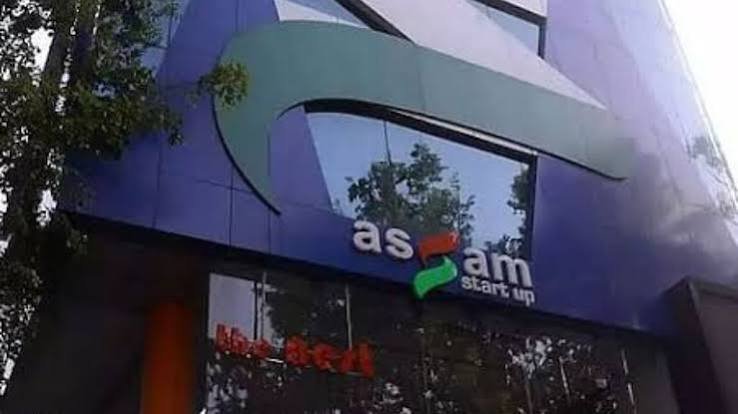
Assam startup ecosystem is showing strong entrepreneurial participation across sectors, with women founders accounting for 52.6 per cent of the startups surveyed in a new study by IIM Calcutta Innovation Park (IIMCIP).
The Assam Startup Ecosystem Report is based on primary research covering 116 startups across the state. It examines the sectors where ventures operate, their stages of development, key challenges and the support needed to build sustainable and scalable businesses.
Assam startup ecosystem expands across sectors
The study found that Assam’s startup activity is spread across a broad mix of industries. These include agriculture and food, IT and technology, handloom and handicrafts, manufacturing and logistics, healthcare, education, tourism and hospitality, and construction and real estate.
The findings indicate that entrepreneurship in the state is not concentrated in one sector. Instead, startups are emerging around both traditional strengths and newer technology-driven opportunities. This mix also reflects the scope for local enterprises to address regional needs while serving wider markets.
Moreover, the surveyed ventures are at different stages of development. This suggests that Assam’s entrepreneurial base includes businesses that are still building their models as well as ventures moving towards growth and expansion.
Assam startup ecosystem records strong women participation
Women founders account for 52.6 per cent of the startups covered by the report. The figure makes women’s participation one of the notable features of the state’s current startup landscape.
However, participation alone does not remove the challenges faced by founders. The report points to several gaps that can affect a startup’s ability to grow, including access to finance, business knowledge, ecosystem exposure and technology capabilities.
The findings therefore place the focus not only on attracting more entrepreneurs but also on helping existing ventures develop the skills, networks and resources needed to scale.
Funding remains a major challenge
Access to institutional funding emerged as a key concern in the report. About 67.9 per cent of the startups surveyed identified a shortage of institutional funding as a major systemic challenge.
This was followed by gaps in business knowledge, cited by 60.3 per cent of entrepreneurs. Meanwhile, 58.6 per cent reported limited awareness or exposure to the wider startup ecosystem, while 43.1 per cent pointed to a lack of technology know-how.
These findings highlight the need for wider funding pathways and stronger connections between startups and investors. Additionally, entrepreneurs may require more practical support in areas such as business planning, technology adoption and market development.
Assam startup ecosystem needs stronger support networks
The report recommends a wider support structure for startups. Its suggestions include entrepreneurship education, stronger mentor and professional service networks, industry-academia collaboration, business-to-business networking and exposure platforms, and improved technology infrastructure.
The study also calls for better market linkages and stronger investor networks. Sector-focused support and specialised research and development infrastructure are among the other measures identified to help ventures move beyond early development.
IIMCIP has proposed a four-stage approach covering Outreach and Hunt, Pre-Incubation, Incubation and Acceleration. The model is designed to provide support at different points, from identifying and validating ideas to strengthening and scaling businesses.
Assam startup ecosystem enters a scaling phase
The report comes as Assam implements its Start-up and Innovation Policy 2025. The state policy aims to support startups across districts, with emphasis on rural and underrepresented communities, while promoting skill development and entrepreneurship training.
The policy sets a target of facilitating at least 5,000 new startups and creating one lakh direct and indirect employment opportunities over five years. Startup India lists the Assam Startup and Innovation Policy 2025 among state startup policies currently in force.
For Assam’s emerging ventures, the latest report underlines a shift from simply building startups to helping them become sustainable businesses. The strong presence of women founders adds another important dimension to that growth.
Overall, the findings show both the breadth of entrepreneurial activity and the practical gaps that remain. Better access to capital, stronger mentorship, wider market connections and targeted institutional support will shape how effectively the state’s startups move from early-stage activity to long-term growth.
The report’s findings also place importance on building stronger links among founders, institutions, investors and industry. Such connections can help entrepreneurs access expertise, identify customers and prepare for growth.