






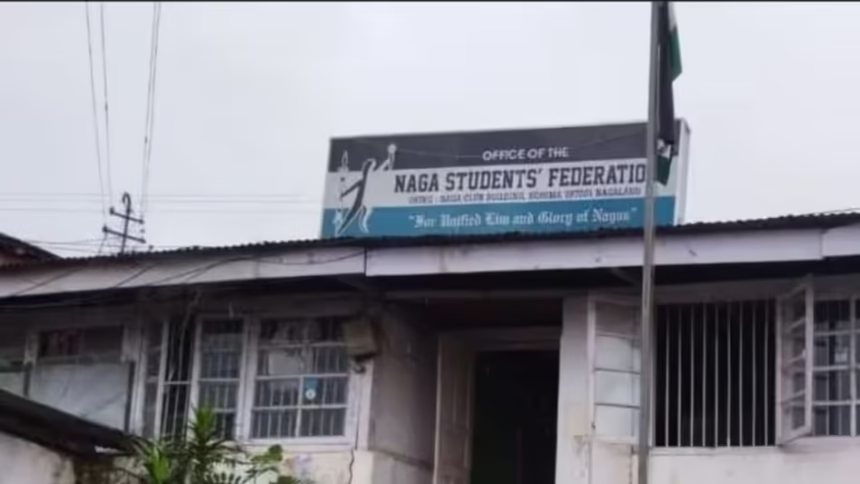
The Inner Line Regulation Commission (ILRC) of the Naga Students’ Federation (NSF) has backed the Angami Public Organisation’s (APO) resolution calling for effective enforcement of the Inner Line Permit (ILP) system in Nagaland. The commission has urged other Naga tribal organisations and apex bodies to adopt a united and coordinated approach to address concerns over illegal immigration and compliance with existing laws.
It also highlighted gaps in implementing safeguards under the Bengal Eastern Frontier Regulation, 1873, particularly in Dimapur, Chümoukedima and Niuland. Meanwhile, the ILRC has called on the Nagaland government to respond to its earlier representation seeking action on the issue.
Read More: Namdapha Staff Threaten Work Halt Over Unpaid Wages
Key Facts
- Location: Nagaland, Northeast India
- Organisations involved: NSF’s Inner Line Regulation Commission and Angami Public Organisation
- Main issue: Enforcement of the Inner Line Permit system
- Relevant law: Bengal Eastern Frontier Regulation, 1873
- Areas highlighted: Dimapur, Chümoukedima and Niuland
- Representation submitted: October 1, 2026
- Main demand: Stronger ILP enforcement and a coordinated response from tribal organisations and the state government
NSF Commission Supports APO’s ILP Resolution
In a statement, the Inner Line Regulation Commission of the Naga Students’ Federation welcomed the Angami Public Organisation’s resolution on enforcing the Inner Line Permit system.
The ILRC said the APO’s initiative highlighted continuing shortcomings in implementing legal safeguards under the Bengal Eastern Frontier Regulation, 1873. It specifically referred to Dimapur, Chümoukedima and Niuland, where the commission believes stronger enforcement is needed.
The ILRC called on other Naga tribal organisations and apex bodies to support the initiative. It said a collective approach would help address the concerns surrounding compliance with the existing legal framework.
Phased Approach Proposed for Compliance
The commission expressed support for the APO’s phased approach, which would provide individuals and non-indigenous communities with time to ensure that their activities and documentation comply with applicable laws.
According to the ILRC, the process would address concerns relating to employment, public services, official documents and tenancy arrangements. It also linked the initiative to the need to address illegal immigration.
The commission clarified that the Naga people were not opposed to non-indigenous individuals who legally enter Nagaland, conduct business, work or reside in the state.
Instead, it said its concerns centred on illegal immigration and failure to comply with existing laws. The statement stressed the distinction between lawful residents and those who may be violating applicable regulations.
ILRC Urges Naga Tribal Bodies to Unite
The ILRC has appealed to Naga tribal organisations and apex bodies to work together on the issue. It believes a coordinated position would strengthen efforts to ensure the effective implementation of the ILP system.
The commission’s appeal comes amid continuing demands for stronger enforcement of existing safeguards. It has encouraged organisations to support the APO’s initiative and pursue the matter collectively.
Commission Seeks Response from Nagaland Government
The ILRC also urged the Nagaland government to respond to its concerns without further delay.
According to the commission, it submitted a representation to the Chief Minister on October 1, 2026, following a national seminar on the Bengal Eastern Frontier Regulation. However, the ILRC stated that it had not received a response from the Chief Minister’s Office.
The commission added that print media had reported the submission, although the complete text of the representation could not be published because of space limitations.
The ILRC has now renewed its appeal for the state government to examine the matter and take appropriate action.
Why ILP Enforcement Matters in Nagaland
The Inner Line Permit system regulates the entry of people from outside designated protected states under applicable legal provisions. In Nagaland, the issue is linked to the protection of indigenous communities and enforcement of existing entry requirements.
Nagaland is part of Northeast India, where questions of indigenous identity, migration and constitutional safeguards remain important public policy issues. Effective implementation of applicable laws is central to addressing these concerns while respecting the rights of people who enter and reside in the state legally.
Questions and Answers
What is the NSF’s ILRC demanding?
The commission wants stronger enforcement of the Inner Line Permit system and coordinated action by Naga tribal organisations and the state government.
Which organisation’s resolution has the ILRC supported?
It has backed the Angami Public Organisation’s resolution on ILP enforcement.
Which areas were highlighted in the statement?
Dimapur, Chümoukedima and Niuland.
When did the ILRC submit its representation to the Chief Minister?
The representation was submitted on October 1, 2026.
What response does the commission want from the government?
It wants the government to address the representation and take action on ILP enforcement without delay.
Also Read: Meghalaya SIR: Major Milestone as 95% of Notice Hearings Completed