






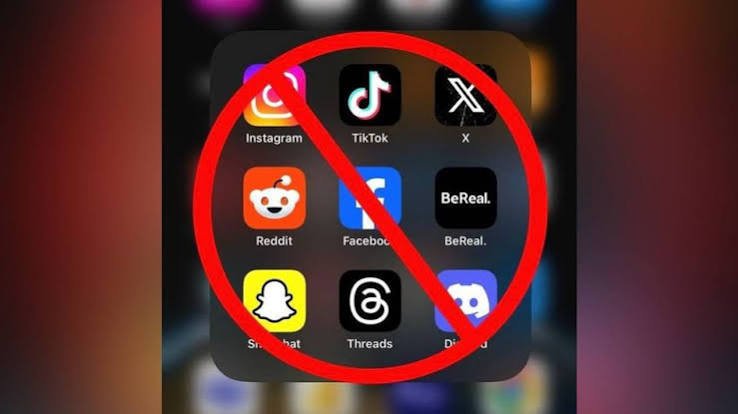
The Karnataka social media ban proposal is moving towards a broader policy discussion, with the state government seeking support from the Centre to restrict social media access for children below 16. The initiative aims to address concerns about excessive screen time, online risks and the impact of digital platforms on young users.
However, the proposal still requires a clear legal framework and practical enforcement measures. The Karnataka government must work with the Union government to determine how platforms could verify users’ ages and comply with any restrictions.
Karnataka social media ban seeks Centre’s support
The Karnataka government wants to develop measures that can effectively limit social media access for children under 16. According to reports published on October 21, the state is seeking the Centre’s assistance because telecommunications and information technology largely fall within the Union government’s jurisdiction.
The proposed restrictions would require cooperation between state authorities, central agencies and social media companies. Moreover, officials would need to establish clear rules governing age verification, platform responsibilities and enforcement.
The government has not finalised the implementation mechanism. Therefore, the proposal should not be treated as a fully enforced ban at this stage.
Cooperation with the Centre could help Karnataka determine whether existing laws provide sufficient authority or whether additional legal measures are necessary. The final approach will also depend on discussions between the two governments and the response of technology companies.
Why Karnataka wants to restrict social media
The Karnataka social media ban proposal follows growing concerns about children’s exposure to online risks. Excessive screen time, cyberbullying, harmful content and unwanted contact from strangers have become important issues in discussions about digital safety.
Social media platforms can also affect children’s daily routines, including their sleep, concentration and educational activities. Consequently, policymakers are examining whether age-based restrictions could reduce these risks.
Chief Minister Siddaramaiah announced the proposed ban while presenting Karnataka’s 2026–27 state Budget in March. The announcement placed children’s digital habits and online protection among the government’s policy priorities.
Earlier discussions also considered the effects of mobile phone use on students. However, restricting social media access is different from prohibiting children from owning or using mobile phones altogether.
The distinction matters because students may depend on smartphones for educational resources, communication and school assignments. Any new policy will need to clarify which online services fall within its scope.
Karnataka social media ban faces enforcement challenges
One of the biggest challenges involves verifying the ages of users without collecting excessive personal information. Social media companies would need reliable systems to identify underage accounts and prevent children from bypassing restrictions.
However, age verification can raise privacy concerns. A poorly designed system could require users to share sensitive information or create new risks involving personal data.
Additionally, children may attempt to access platforms through false birth dates, alternative accounts or other people’s devices. Therefore, the effectiveness of the Karnataka social media ban will depend on the rules governing platforms and the practical tools available to enforce them.
The state must also determine which services qualify as social media. Different platforms offer messaging, educational content, entertainment and public communication. Clear definitions would help prevent confusion among children, parents, schools and technology companies.
Furthermore, authorities will need to consider how the rules apply to existing accounts and what responsibilities parents should assume.
Global debate adds context to the proposal
Karnataka’s proposal reflects a wider international debate about protecting children online. Australia has introduced a minimum-age requirement for social media access, while other countries are examining similar restrictions.
These developments offer possible lessons for Indian policymakers. Nevertheless, laws adopted elsewhere cannot automatically be applied to Karnataka without considering India’s legal system, digital infrastructure and social conditions.
The debate also involves balancing child protection with access to information and communication. Restrictions may reduce some online risks, but they cannot address every form of cyberbullying, harmful content or digital exploitation.
Moreover, digital literacy remains important. Teaching children how to recognise unsafe interactions, protect personal information and report abusive behaviour could complement any age-based restrictions.
Parents, educators and technology companies may also have important roles in helping young users develop safer online habits.
Karnataka social media ban awaits clear next steps
The Karnataka social media ban proposal could influence how other Indian states approach children’s digital safety. However, its practical impact will depend on the legal framework, cooperation from the Centre and the willingness of platforms to comply.
The state must clarify the proposed age limit, covered services, verification requirements and enforcement responsibilities before implementation can be assessed properly.
Overall, Karnataka’s initiative highlights the growing pressure on governments to address online risks faced by children. The coming policy decisions will determine whether the proposal becomes an enforceable restriction or forms part of a broader child-safety framework.
Assam: Zubeen Garg Justice Protesters Detained in Guwahati Demand Supreme Court Appeal